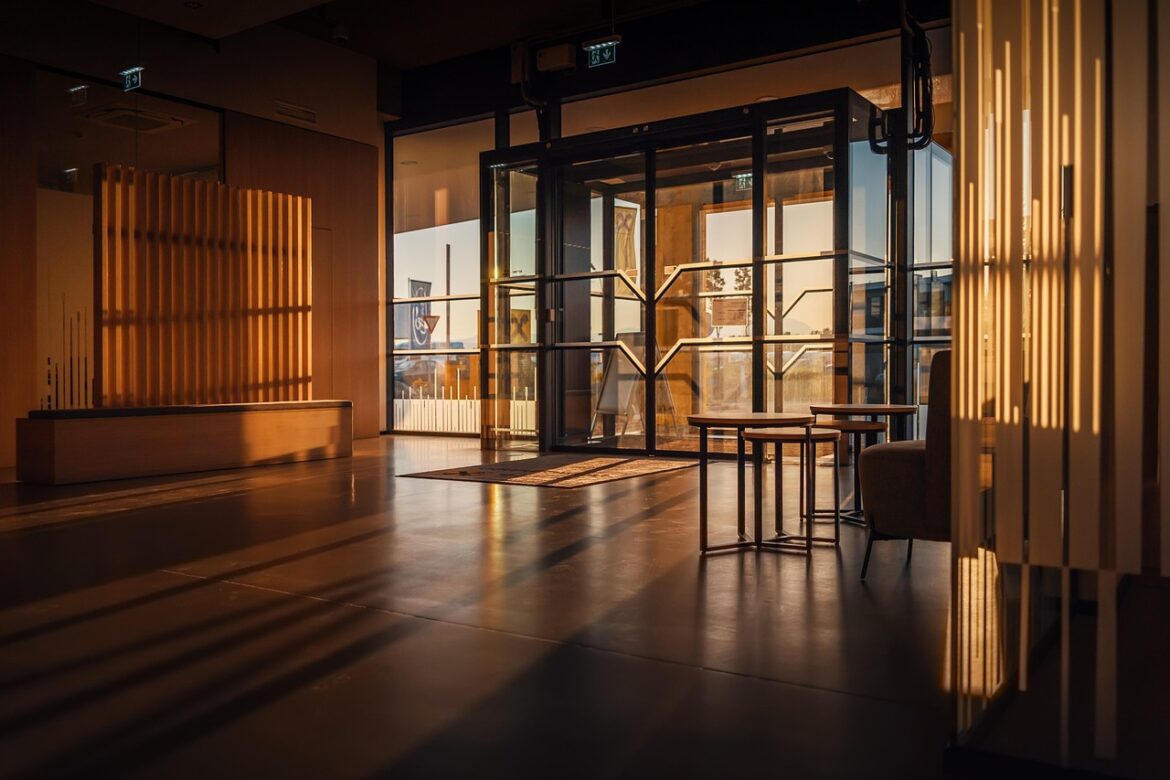
Imagine walking into a sleek office where the lights adjust to your mood, the walls are made of warm, responsibly sourced wood, and the air feels fresh without a single AC unit running. This isn’t a scene from a sci-fi movie—it’s the new reality for many companies in 2025. Corporate sustainability is no longer just a buzzword; it’s shaping the way businesses design their spaces, host events, and even interact with their communities.
Smart Buildings That Learn Your Habits
Take the IGBC-rated commercial parks in Rajasthan, India, for example. These buildings use smart technology powered by the Internet of Things (IoT) and artificial intelligence (AI) to learn how people use the space. Windows open automatically when the air gets stuffy, fans slow down at night, and lighting adjusts based on your preferences. The result? Comfortable, energy-efficient spaces that feel tailor-made for their users. These aren’t just fancy gadgets—they’re practical tools that help companies cut energy bills and reduce their carbon footprint.
Events That Leave No Trace
Corporate events are also getting a green makeover. Gone are the days of mountains of single-use plastic and wasted food. Event planners are now focusing on reusable materials, local food vendors, and plant-based menus. For a recent conference in New York, organizers ditched disposable plates and cutlery, opting for compostable alternatives and partnering with local farms for fresh produce. They even provided public transport options to minimize emissions. The result? A memorable event that didn’t leave behind a mountain of trash.
Designing with Nature in Mind
Biophilic design—bringing elements of nature into indoor spaces—is another trend taking off. Think lush green walls, wooden accents, and plenty of natural light. In Hong Kong, a cramped apartment was transformed into a serene retreat with fluted wood panels and indoor plants. Not only does this make spaces more inviting, but it also improves air quality and boosts well-being. Companies are realizing that a connection to nature isn’t just a luxury—it’s a necessity for a healthy, productive workplace.
Reclaimed and Upcycled Furniture
Reclaimed and upcycled furniture is making waves in corporate interiors. Instead of buying new, companies are repurposing old materials to create unique, stylish pieces. A tech startup in Berlin turned discarded wooden pallets into custom desks and shelves, giving their office a distinctive look while reducing waste. This trend isn’t just about saving money; it’s about making a statement that sustainability and style can go hand in hand.
Smaller, Local, and More Meaningful Events
Brands are shifting toward smaller, more localized events to reduce travel costs and environmental impact. A fashion company in Paris hosted a series of intimate gatherings in different neighborhoods, fostering deeper connections with local communities. These smaller events not only create a more personal experience but also allow for direct feedback and better return on investment.
Inclusive and Accessible Design
As diversity and inclusion become key priorities, event spaces are being designed with universal accessibility in mind. Multi-language support, easy-to-navigate layouts, and sensory-friendly options ensure that everyone feels welcome. A recent tech conference in San Francisco featured closed-captioning, wheelchair-accessible stages, and quiet rooms for attendees with sensory sensitivities. These thoughtful touches make events more inclusive and enjoyable for all.
The Bigger Picture
These trends aren’t just about looking good or saving money—they’re about creating a better future. Companies that embrace sustainable design are not only reducing their environmental impact but also building stronger connections with their employees, customers, and communities. Whether it’s a smart building, a green event, or a nature-inspired office, the message is clear: sustainability is the new standard for corporate design in 2025.
References:
- https://www.jkcement.com/blog/construction-planning/sustainable-architecture-green-design-building-practices/
- https://www.bizbash.com/corporate-events/the-future-of-corporate-events-2025-trends-every-planner-needs-to-know
- https://govtcollegeofartanddesign.com/sustainable-interior-design-trends-2025/
- https://www.wood-ideas.com/single-post/wood-paneling-slab-furniture-sustainable-design-trends-in-2025
- https://www.questglobal.com/insights/thought-leadership/emerging-trends-in-corporate-sustainability-key-considerations-for-csos/
- https://www.detroitnews.com/story/life/home-garden/2025/11/20/design-recipes-enduring-design-trends/87324999007/