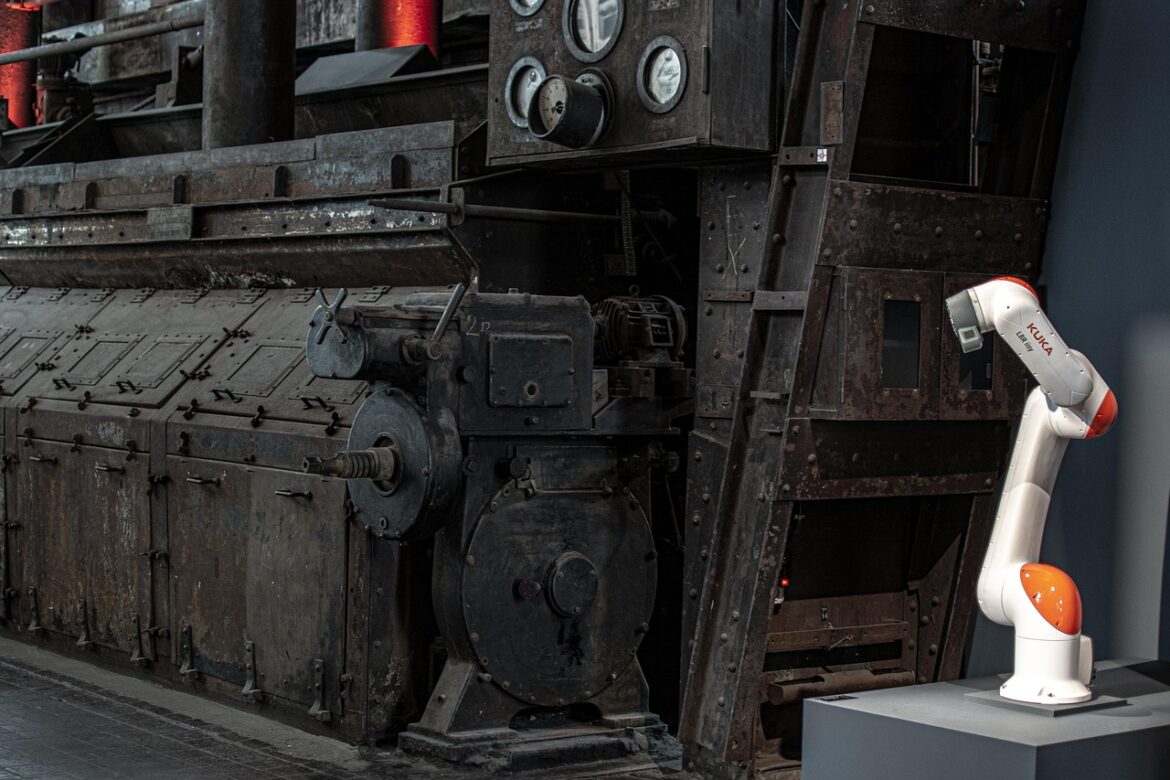
Introduction: The AI Wave Hits Manufacturing
Imagine a factory floor humming not just with machines but with brains — artificial intelligence brains. That’s not science fiction anymore; it’s happening now and reshaping manufacturing as we know it. AI is moving beyond fancy theories and into factories, data centers, and even into the chips powering everyday devices.
Smarter Chips and the Race to Build AI Infrastructure
Leading tech companies have been rushing to develop powerful AI chips that act like the factory supervisors of data processing. In 2023, tech giants accounted for more than half of these chip purchases, triggering a market boom of over 150% growth from the previous year. These chips are designed not only for big data centers but increasingly for smaller, on-site needs in factories to handle AI tasks more cost-effectively.
What’s fascinating is the shift happening in how companies handle AI: instead of relying solely on cloud services, many manufacturers are investing in their own in-house AI infrastructure. That means factories get faster, cheaper AI computing power right where it’s needed, helping them make smarter decisions in real-time.
Edge AI: Bringing Artificial Intelligence Closer to the Action
The term “Edge AI” refers to AI processing happening on local devices, like AI-enabled PCs or mobile tools used by factory workers, instead of distant servers. Microsoft and Apple are embedding AI into their operating systems, making smarter devices more common. For manufacturing, this means workers might soon have AI-powered assistants right on their tablets or desktops to predict equipment failures, quality issues, or optimize workflows without waiting for remote analysis.
Generative AI Agents: Factories Gain a New Kind of Helper
AI isn’t just crunching numbers—it’s evolving into agents that can execute complex tasks autonomously. Think of these AI agents as virtual factory supervisors who can plan maintenance schedules, manage inventory, or even suggest design improvements.
For example, some manufacturers use AI agents to design customized parts rapidly or adapt production lines to new demands without human intervention. This shift mirrors having a smart colleague who never sleeps and always offers ideas to improve efficiency.
Real-World Impact: Smarter, Faster, Greener Manufacturing
On the practical side, AI is helping manufacturers reduce costs, speed up product cycles, and cut carbon footprints. One compelling tale involves AI-driven tools helping engineers optimize designs by simulating outcomes before building anything physical. This approach saves time and raw materials.
Moreover, AI’s growing role in analyzing sensor data from machines helps anticipate failures before they happen, preventing costly downtime. By seamlessly combining AI chips, edge computing, and intelligent agents, manufacturers create a connected, responsive ecosystem.
Challenges and the Road Ahead
While the strides are impressive, challenges remain. Integrating AI with legacy systems, upskilling workers, and maintaining data security require ongoing attention. Ethical AI use is also becoming a key focus as rules and guidelines emerge.
Still, the outlook is bullish. Investments in AI infrastructure could top hundreds of billions in the coming years, fueling innovation across manufacturing and beyond.
Summary: The AI Factory Revolution
From smarter chips powering factory floors to AI agents acting as digital collaborators, artificial intelligence is no longer a futuristic concept but a present-day reality transforming manufacturing. By bringing intelligence directly to the edge and building new infrastructure, manufacturers stand to gain unprecedented efficiency, agility, and sustainability.
Imagine factories where machines don’t just operate but think — and that future is arriving faster than ever.
Key Takeaways
- AI chip market is booming, driving in-house manufacturing infrastructure investments.
- Edge AI embeds intelligence in local devices, empowering workers and processes.
- AI agents autonomously manage complex tasks, enhancing factory operations.
- Real-world benefits include cost savings, faster cycles, and greener production.
- Ongoing challenges include integration, upskilling, and ethical AI practices.
As manufacturing embraces AI, it’s like giving factories a new brain — one that helps everyone work smarter, not just harder.
References: