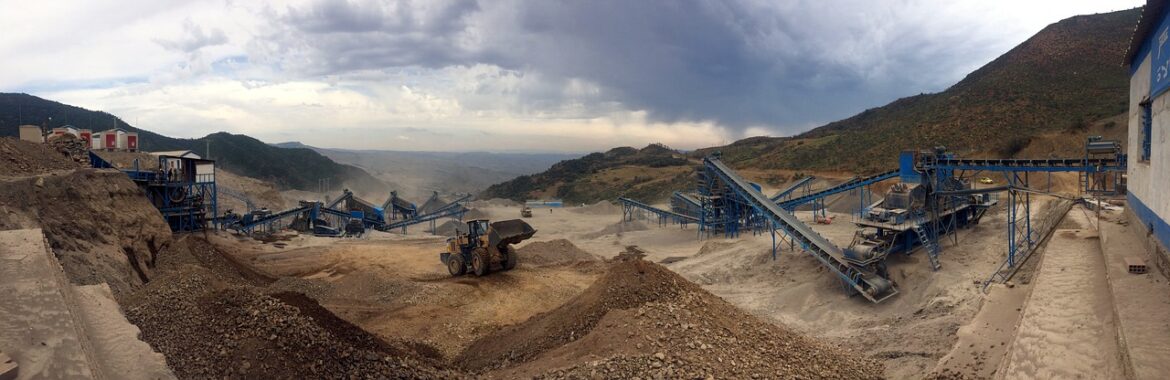
Imagine a construction site where delays shrink dramatically, costs become predictable, and workers get deployed exactly when and where needed. This isn’t a scene from the distant future—it’s happening right now thanks to artificial intelligence (AI).
Cutting Delays and Costs: The AI Edge
AI is no longer a concept; it’s an industry game-changer. Leading construction firms have reported that AI-driven tools reduce project delays by up to 60% by forecasting risks and optimizing schedules in real time. Think of AI as your project’s crystal ball, spotting bottlenecks and equipment failures before they happen, helping avoid costly work stoppages.
Predictive maintenance powered by AI prevents roughly 80% of equipment breakdowns, ensuring machines keep running smoothly. Meanwhile, AI cost models are hitting an impressive 95% accuracy rate, turning budget guesses into solid numbers.
AI-Integrated Building Models: More Than Blueprints
BIM (Building Information Modeling) systems now use AI to predict energy performance, maintenance needs, and operational costs. Paired with digital twins—virtual replicas of buildings—project teams monitor structures in real time, both during and after construction. This feedback loop is like having a virtual site manager always on call.
Smart Workforce and Resource Allocation
AI helps balance labor availability against project demand. Imagine algorithms suggesting exactly when to add more workers or shift tasks, helping navigate the ongoing labor shortages. This boosts efficiency and prevents common scheduling headaches.
Robots on the Rise: More Than Science Fiction
Robotics is moving from experimental to everyday use. Self-driving haul trucks, rebar-tying robots, automatic bricklayers, and drones are now helping build safer, more consistent sites. These machines handle the repetitive or dangerous tasks, allowing human workers to focus on supervision and skilled activities.
Profitability and Efficiency Gains Backed by Industry Data
A recent survey of construction executives revealed 91% expect to boost AI investments in 2026. Firms already deploying AI note remarkable benefits: 89% report improved profitability, almost half see better operational efficiency, significant supply cost reductions, and lower project expenses.
This isn’t just about technology for technology’s sake. AI’s ability to reduce business risk and enhance project control offers a vital edge in an industry known for unpredictable profit margins.
On the Horizon: Six Key AI Trends Reshaping Infrastructure
From cloud migration and AI-powered safety tools to mobile tech and data lakes, infrastructure firms are embracing AI as partners—not threats—in daily operations. AI-enabled safety culture improvements are making sites safer, while AI-driven planning enhances how infrastructure gets built and maintained.
What Do Owners Want Now?
Clients aren’t just interested in the finished building anymore. They expect digital submittals, verified asset tracking, and often basic digital twins to monitor building health.
Bottom Line: AI Is Becoming the New Construction Norm
AI, robotics, modular building, and sustainability aren’t luxury ‘‘nice-to-haves’’ but baseline expectations. Companies who integrate these technologies today will finish projects faster, safer, and with more predictable costs tomorrow.
Key Takeaways:
-
AI reduces delays by predicting issues before they arise.
-
Real-time digital twins help monitor construction and operation.
-
Robotics automate repetitive tasks, increasing safety and consistency.
-
Firms investing in AI report better profits and less waste.
-
Future construction hinges on digital fluency and AI-driven insights.
In short, AI is turning construction sites into smart, efficient ecosystems where problems get solved before they start—and that’s building a better future for all involved.
References:
- https://thebirmgroup.com/construction-trends-in-2026-revolutionary-changes-shaping-the-industry/
- https://blog.ifs.com/reflections-on-the-2025-construction-engineering-industry-predictions-spotlight-on-acceleration-of-ai-adoption/
- https://www.amey.co.uk/media/insights/2025/december/shaping-the-future-six-transformative-ai-trends-for-infrastructure-in-2026-and-beyond/
- https://www.webpronews.com/2025-tech-trends-ai-quantum-computing-and-ethical-innovations/
- https://www.artificialintelligence-news.com/news/newsweek-building-ai-resilience-for-the-next-era-of-information/
- https://menlovc.com/perspective/2025-the-state-of-generative-ai-in-the-enterprise/
- https://www.datacenterknowledge.com/data-center-construction/new-data-center-developments-december-2025