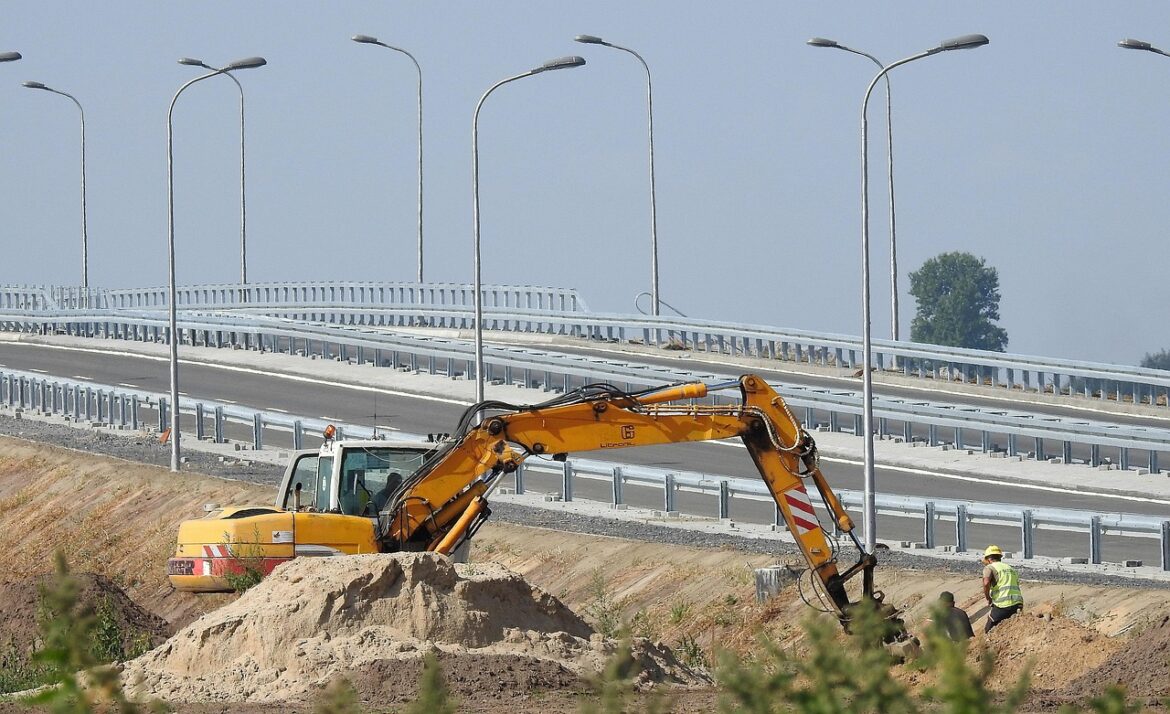
Hook: Building Smarter, Not Harder Imagine a construction site where delays are sliced by 60%, safety issues flagged before they happen, and robots tirelessly lay bricks while AI managers coordinate every move. This is not sci-fi; it’s the reality unfolding in construction thanks to Artificial Intelligence (AI) as of 2025 and moving into 2026.
AI’s Growing Role on the Site Construction has long battled with scheduling headaches, labor shortages, and budget overruns. Enter AI, which is now deeply embedded in project management tools that sift through mountains of data to predict delays, spot errors early, and keep finances in check. For example, AI algorithms analyze work patterns and safety data to identify potential hazards, greatly improving onsite safety protocols.
Robots and Automation: The New Crew Members Robotic systems are no longer just ideas—they’re active on sites performing tasks like bricklaying and steel fabrication. Autonomous vehicles use GPS and AI to work 24/7 without breaks, slashing labor costs and speeding up progress. This robotic workforce is a game-changer for productivity and safety.
BIM Meets AI: Visualizing Success Before Groundbreaking Building Information Modeling (BIM) combined with AI creates living digital twins of projects. Stakeholders can experience a virtual walkthrough even before construction begins, identifying problems early to save time and money. Plus, real-time data from IoT sensors update these models to reflect on-the-ground realities, keeping the project aligned with plans.
Remote Monitoring and Transparency Thanks to drones, fixed sensors, and AI-powered analytics, project teams have a continuous, live view of construction progress. This transparency means everyone collaborates from the same up-to-date information pool, reducing misunderstandings and speeding decision-making.
Predictive Analytics: Nipping Problems in the Bud AI-driven predictive maintenance cuts equipment breakdowns by 80%, while forecasting demand for materials to reduce waste by up to 30%. Cost estimations powered by AI hit around 95% accuracy, helping contractors bid smarter and protect margins.
From Data to Decisions: The New Construction Workflow With AI handling data collection and analysis, human experts focus on high-value decisions—rescheduling work, tweaking resource allocation, or coordinating with owners to prevent costly setbacks. This shift redefines the contractor’s role from builder to orchestra conductor.
Preparing for the AI-Enabled Future Leaders in construction are investing in AI, robotics, and digital modeling to stabilize schedules and costs. Modular building methods and sustainable practices integrated with AI tools promise faster, greener, and more reliable construction outcomes.
In a Nutshell The construction industry stands on the cusp of a technological renaissance powered by AI. From smarter project management and safer worksites to autonomous robots and digital twins, AI is not just a buzzword but a practical toolkit transforming construction into a precise, efficient, and collaborative endeavor.
Key Takeaways:
- AI reduces delays and cost overruns by predicting risks early.
- Robotics handle repetitive tasks to boost productivity and safety.
- Integrated digital models enable proactive problem solving.
- Remote sensing and AI analytics drastically improve site transparency.
- AI-driven forecasting optimizes materials and maintenance.
As these technologies mature, embracing AI is becoming essential for construction companies aiming to build faster, safer, and smarter.
References:
- https://www.worldconstructiontoday.com/trends/construction-technology-trends-in-2025-shaping-the-future/
- https://www.constructionbriefing.com/news/seven-construction-technology-trends-for-2026/8095267.article
- https://thebirmgroup.com/construction-trends-in-2026-revolutionary-changes-shaping-the-industry/
- https://blog.ifs.com/reflections-on-the-2025-construction-engineering-industry-predictions-spotlight-on-acceleration-of-ai-adoption/
- https://www.openpr.com/news/4303809/booming-construction-activity-drives-growth-of-the-artificial
- https://www.dedale.com/articles/how-ai-is-transforming-the-construction-industry
- https://digitalconstructionplus.com/ride-the-ai-wave-to-your-businesss-future/
- https://www.progress.com/blogs/the-6-ai-trends-that-will-actually-matter-next-year
- https://www.cxodigitalpulse.com/how-ai-driven-bim-is-revolutionizing-architecture-construction-education-in-2025/