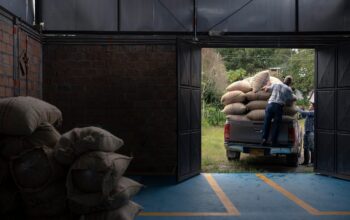
Imagine you’re running a busy warehouse, and suddenly a shipment gets delayed, a supplier changes their terms, or a customer wants something delivered yesterday. In the past, this would mean frantic phone calls, endless spreadsheets, and maybe even lost sales. But today, thanks to new tech, many companies are handling these challenges with a few clicks, or even automatically. The supply chain world is changing fast, and it’s not just about moving boxes anymore—it’s about using smart tools to stay ahead.
AI Is No Longer Just a Buzzword
Artificial intelligence (AI) and machine learning (ML) are now at the heart of how companies manage their supply chains. Take Amazon, for example. In late 2025, the company announced it was cutting thousands of corporate jobs, not because business was slowing down, but because AI was taking over routine tasks. Algorithms now handle everything from forecasting demand to optimizing delivery routes. This isn’t just about saving money—it’s about reacting faster to changes, like a sudden spike in orders or a supplier going offline.
Retailers like Scotts Miracle-Gro have also seen big wins. By using machine learning to analyze sales and inventory data, they managed to cut their inventory levels in half over two years, saving millions and reducing waste. It’s like having a super-smart assistant who never sleeps and always knows what’s coming next.
IoT: The Eyes and Ears of the Supply Chain
If AI is the brain, then the Internet of Things (IoT) is the eyes and ears. IoT devices—think sensors and smart tags—are now tracking shipments in real time, monitoring temperature and humidity, and even alerting teams if something goes wrong. For companies shipping perishable goods, like pharmaceuticals or fresh food, this is a game-changer. Walmart, for instance, has teamed up with tech partners to use sensors that monitor pallets from distribution centers to stores. This helps them spot issues early, like a refrigerated truck breaking down, and fix them before products are ruined.
Gartner predicts that over half of large companies will use IoT combined with analytics to optimize their supply chains by 2025. The global market for IoT in supply chains is expected to hit $35 billion, showing just how much trust businesses are putting in these tools.
Automation and Dynamic Storage: Flexibility Is Key
Warehouses are no longer just rows of static shelves. Today, many are using dynamic storage solutions that can be quickly reconfigured to handle changing demands. Systems like UNEX’s SpanTrack and SpeedCell allow facilities to expand or shrink storage capacity, move inventory around, and keep everything organized. This is especially useful when suppliers shift, tariffs change, or new products hit the market.
Amazon’s latest fulfillment centers are a great example. They’ve rolled out multi-armed robotics systems and smart glasses for drivers, making it easier to pick, pack, and ship orders faster. These upgrades aren’t just about speed—they’re about resilience. When something unexpected happens, like a global disruption or a sudden surge in demand, these smart warehouses can adapt on the fly.
Blockchain: Trust and Transparency
Another big trend is blockchain technology. While it started with cryptocurrencies, blockchain is now being used to create tamper-proof records of every step in the supply chain. Walmart used blockchain to trace the origin of produce in seconds instead of days, making it easier to track food safety and respond to recalls. This kind of transparency builds trust with customers and partners, and it’s becoming a must-have for companies that want to stay competitive.
The Human Touch Still Matters
Despite all the tech, people are still at the heart of supply chains. The best companies aren’t replacing workers with robots—they’re giving them AI tools that make their jobs easier and more efficient. Planners, operators, and engineers now work alongside AI, using its insights to make smarter decisions. It’s like having a co-pilot who helps you navigate the twists and turns of modern logistics.
What’s Next?
The supply chain of the future will be smarter, faster, and more flexible. Companies that embrace AI, IoT, automation, and blockchain will be better equipped to handle whatever comes their way. Whether it’s a global crisis, a sudden change in customer demand, or a new competitor, these tools are helping businesses stay ahead of the curve. And for the rest of us, that means getting what we need, when we need it, with fewer hiccups along the way.
References:
- https://www.loginextsolutions.com/blog/best-supply-chain-visibility-software-trends-2025/
- https://blog.unex.com/2026-supply-chain-trends-ai-automation-and-the-power-of-dynamic-storage
- https://www.netguru.com/blog/retail-tech-trends
- https://www.inboundlogistics.com/articles/from-inflation-to-sustainability-top-10-trends-impacting-supply-chains/
- https://logisticsviewpoints.com/2025/11/24/how-ai-is-driving-the-future-of-industrial-operations-and-the-supply-chain/
- https://www.supplychaindive.com/topic/technology/
- https://supplychaindigital.com/news/generation-clean-tech-supply-chains-global-power