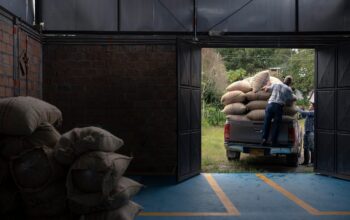
Hook: Imagine your morning coffee is delayed because a shipment got stuck halfway across the world. In 2025, that familiar frustration is driving companies to rethink their supply chains like never before.
The AI Advantage Artificial Intelligence (AI) is no longer just a buzzword. About 70% of executives consider the new-gen supply chain—powered by AI and agility—a top tech trend this year. AI doesn’t just speed up tasks; it actually transforms how companies anticipate disruptions, manage inventory, and optimize delivery routes. Experts say AI-driven systems boost productivity and make supply chains smarter and more adaptive.
Automation in Action Manufacturers are embracing automation to keep pace with rising customer expectations and workforce shortages. Real-time inventory tracking using smart sensors and RFID technology is helping companies dodge costly stockouts or excess goods cluttering warehouses. Automated storage systems now integrate with enterprise software, turning raw data into actionable insights for everyone from warehouse staff to executives.
Tariff Changes Impact Costs and Sourcing August 2025 saw a big shift when a decades-old loophole allowing small shipments under $800 to enter the US tariff-free was closed. Now importers must pay duties ranging from 10% to 50%, depending on origin country. This change may cause sticker shock for consumers and forces companies to rethink sourcing, diversify suppliers, and manage border costs more carefully.
Sustainability as a Strategic Edge More than three-quarters of organizations have adopted sustainability strategies within their supply chains. They’re finding that eco-friendly practices don’t just help the planet—they also reduce costs and create long-term value, turning green initiatives into competitive advantages.
Key Takeaways
- AI and automation are at the heart of building agile, resilient supply chains.
- Real-time data and software integration boost responsiveness and accuracy.
- Changing tariff policies are driving companies to adjust sourcing plans.
- Sustainability isn’t optional—it’s a vital part of modern supply chains.
In the face of geopolitical tension, economic shifts, and climate concerns, today’s supply chains are evolving from fragile links to dynamic networks ready to keep the world moving smoothly.
References:
- https://www.sdcexec.com/software-technology/ai-ar/news/22948953/capgemini-manufacturers-engineer-resilience-amid-global-supply-chain-volatility
- https://www.tecma.com/six-strategic-trends-shaping-the-future-of-manufacturing-in-2025/
- https://www.sdcexec.com/sourcing-procurement/manufacturing/article/22944749/kardex-remstar-llc-6-supply-chain-automation-trends-in-manufacturing
- https://www.supplychainconnect.com/supply-chain-technology/article/55313391/august-supply-chain-roundup-tariffs-investments-and-manufacturing-trends
- https://www.supplychaindive.com