Hot Cybersecurity Buzzwords Dominating 2025 Headlines
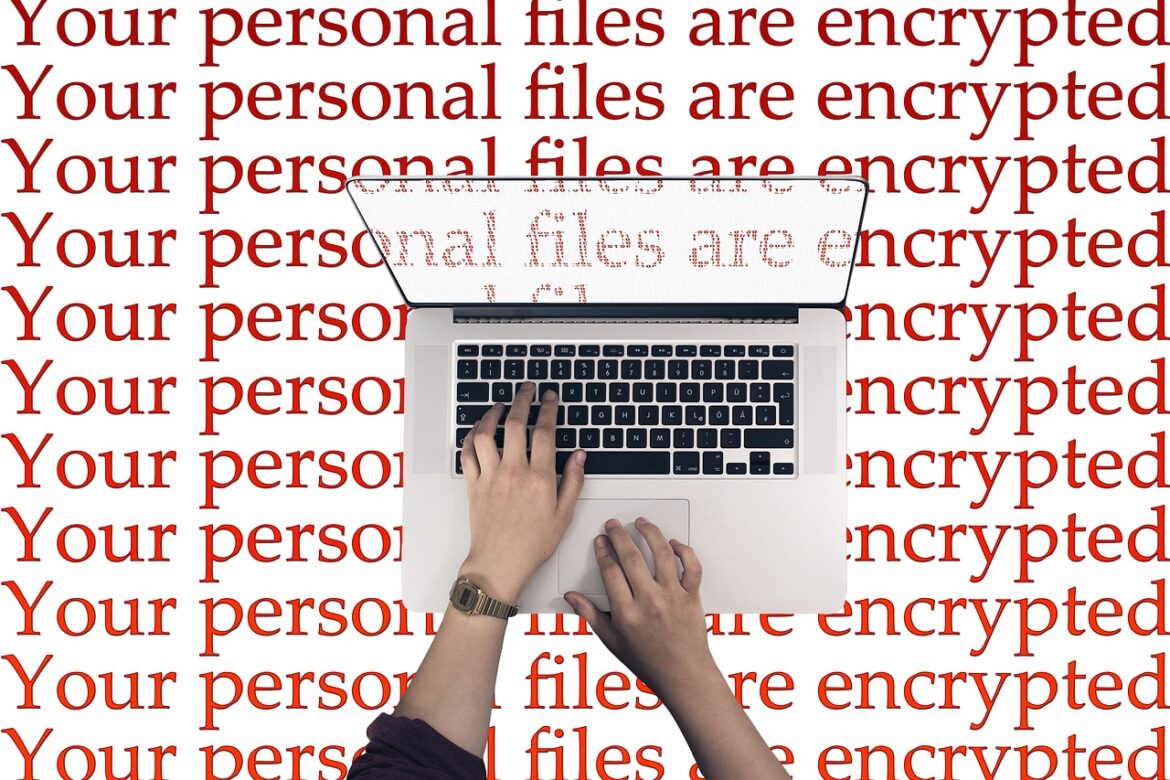
Imagine your company’s data vanishing overnight, not because of a sci-fi hacker movie plot, but a real ransomware gang holding it hostage for leaks. That’s the nightmare that hit countless firms in 2025, pushing cybersecurity trends into the spotlight like never before. As a reporter tracking these digital battlefields, I’ve sifted through the chaos to spotlight five trending ‘tablets’ – think bite-sized nuggets of hot topics – that are making waves right now.
1. AI-Driven Security: The Double-Edged Sword
Picture AI as that sharp kitchen knife: super handy for chopping veggies fast, but dangerous if it slips. In 2025, cybercriminals wielded AI to craft deepfake voices fooling bank tellers into wiring millions, while defenders countered with smart tools spotting fakes in seconds. TechSolutions experts predict this arms race will explode into 2026, with automated attack bots shrinking detection times from days to minutes. One real story? A major retailer dodged a massive breach when their AI system flagged unusual login patterns from a phishing scam targeting employee emails.
Quick wins for your team:
- Train staff on spotting AI-generated scams, like oddly perfect video calls.
- Deploy AI-powered monitors that learn your normal network ‘heartbeat’ and alert on offbeats.
2. Endpoint Security: Guarding the Front Door
Your laptop or phone is like the front door of your digital home – leave it unlocked, and thieves waltz in. Lenovo’s 2025 guide hammers home how endpoints like these are prime targets for malware lurking in email attachments. Remember the hospital chain crippled by ransomware infecting staff tablets? Endpoint tools with encryption and quick-wipe features saved the day for many, letting IT nuke threats remotely without losing patient data.
Suprema’s Q-Vision Pro took it further, using edge AI at ATMs to detect guns or masked faces mid-transaction, thwarting voice phishing rings that stole thousands.
Practical steps:
- Install antivirus that scans in real-time, not just on demand.
- Enable auto-encryption so lost devices stay locked tight.
3. Intrusion Detection: The Watchful Night Guard
Ever had a security camera catch a burglar before they smash a window? That’s intrusion detection systems (IDS) in action, scanning network traffic for shady moves 24/7. In 2025, these heroes blocked early-stage attacks on power grids and banks, giving teams precious minutes to react. Lenovo notes how real-time alerts turned potential disasters into minor hiccups for savvy companies.
Ease into it:
- Start with free tools monitoring home networks for kid-safe browsing.
- Businesses: Layer IDS with prevention to auto-block intruders.
4. Identity Protection: Locking Down the Keys
Stealing passwords is old school; now hackers tire you out with fake MFA prompts until you click ‘yes.’ TechSolutions reports identity as the hottest target, with breaches kicking off from compromised logins. A telecom giant in 2025 learned this hard way when session hijacks exposed customer calls – until they rolled out phishing-proof MFA.
Relatable fixes:
- Use hardware keys like YubiKey instead of app approvals.
- Set ‘if this, then that’ rules, like blocking logins from weird countries.
5. Ransomware to Extortion: Beyond Encryption Nightmares
Ransomware used to just lock files; now it’s ‘pay up or we leak your secrets online.’ This evolution hit retailers hard, with gangs auctioning stolen data on dark web markets. Immutable backups – unchangeable fortresses – helped firms like a logistics leader restore ops without paying, proving resilience pays off.
Defend your turf:
- Test backups monthly; make them tamper-proof.
- Drill response plans like fire drills, so no panic in crunch time.
These trends aren’t dusty theories – they’re battle-tested from 2025’s front lines, from Olympic-level event secures to everyday ATM defenses. As NCSC warns, even AI giants like OpenAI fret over model vulnerabilities. For leaders and teams, staying ahead means simple habits: update everything, segment networks like rooms in a house, and vet vendors like job applicants. In this wild digital rodeo, these tablets keep you riding high, not thrown in the dust.
(Word count: 612)
References:
- https://www.lenovo.com/ca/en/knowledgebase/comprehensive-guide-to-computer-and-network-security-in-2025/
- https://www.securitymagazine.com/articles/102049-product-spotlight-2025-year-in-review
- https://www.techsolutionsinc.com/blog/techsolutions-predicts-our-top-5-cybersecurity-trends-to-watch-in-2026/
- https://www.icaew.com/insights/viewpoints-on-the-news/2025/dec-2025/cyber-roundup-learnings-from-2025
- https://www.techradar.com/news/mobile-computing/tablets/best-cheap-tablets-top-budget-options-967277
- https://www.isaca.org/resources/news-and-trends/isaca-now-blog/2025/cybersecurity-at-the-worlds-biggest-stages