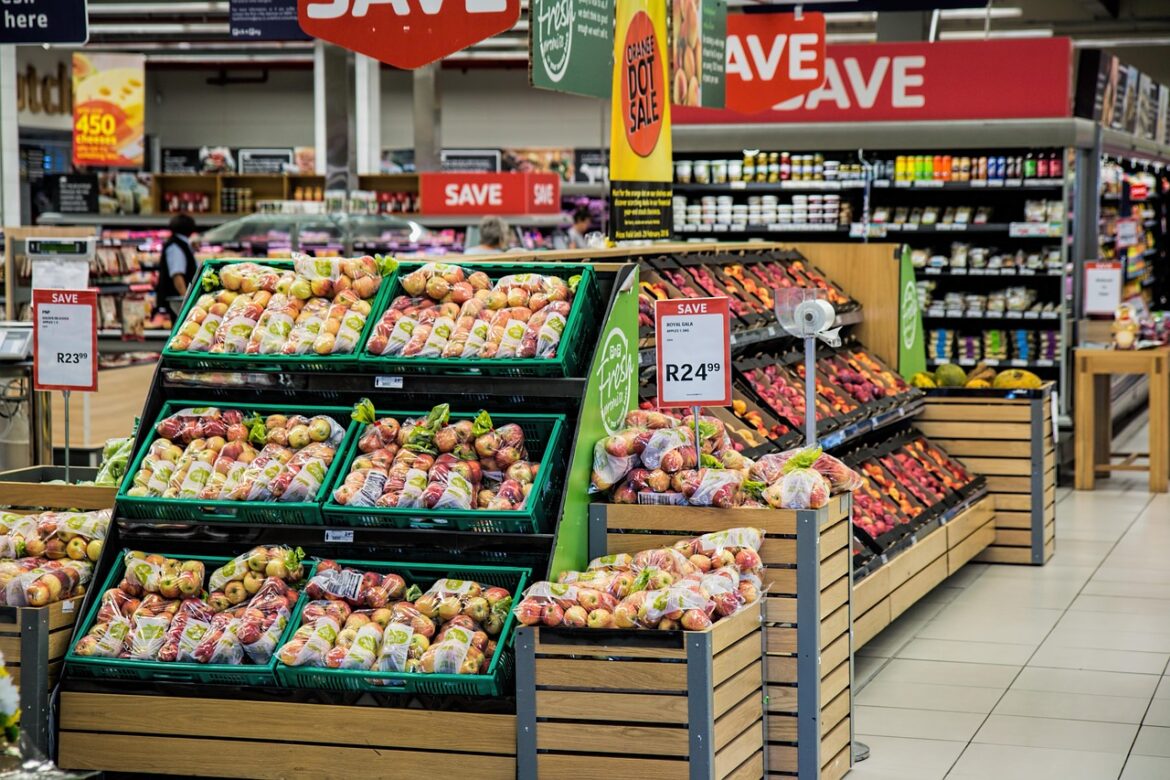
Imagine youre a busy grocery manager, staring at a shelf of colorful cereals, only to hear the feds are demanding a full family tree for every ingredient. Thats the wild world of regulatory compliance in groceries right now – its not just red tape, its reshaping your store from the supply chain up.
FDA Cranks Up Food Traceability Heat
Lets start with the big one: the FDAs fresh push on the Food Safety Modernization Act (FSMA) Section 204. Just last week on February 20, they dropped updated guidance for the Food Traceability Rule, kicking in fully by July 2028. Think of it like giving every leafy green or smoked salmon a GPS tracker – from farm to fork. The rules spell out exactly what records you need for foods on their special Food Traceability List, like recordkeeping nitty-gritty and exemptions for small players.
But heres the relatable part: FDA isnt stopping at papers. Theyre launching quarterly stakeholder huddles with groups like the Partnership for Food Traceability. First ones already booked for March 6 – members only, then public. As DLA Piper lawyers note, its all about real-world readiness. Picture supply chain folks chatting over coffee (or Zoom), ironing out kinks before fines hit. One bakery owner shared in industry chats how this means upgrading software now, or risk recalls that empty shelves overnight.
Artificial Dyes: Shoppers Pay the Rainbow Price
Switching aisles, states are waging war on synthetic colors like Red 40 and Yellow 5. Louisiana mandates QR codes on products with 44 artificial additives by 2028 – scan and see the not-so-secret sauce. West Virginia eyes banning seven dyes and preservatives; Texas wants warning labels pronto.
A report from Americans for Ingredient Transparency crunches the numbers: these rules could jack up grocery bills 12% across Louisiana, Texas, and West Virginia – thats $12.2 billion total. Why? Reformulating recipes aint cheap, and regional ripple effects hit neighbors too. Bill Wilson from Supermarket News quips, Everything causes cancer, and everything costs money. Spot on – healthy eating just got a pricier barcode.
Retailers feel it too. Big chains demand transparency from suppliers amid FDA GRAS reform talks – self-affirmed safe ingredients under the microscope. One Midwest manufacturer told Bakeryandsnacks its like juggling federal eggs, state grenades, and retailer spotlights all at once.
California Packaging Shake-Up and Beyond
In the Golden State, CalRecycles tweaking SB 54 – by 2032, all single-use packaging must be recyclable or compostable. Recent revisions clarify exemptions for farm-fresh goods clashing with federal rules, easing some pain for produce haulers.
These trends? Theyre like a grocery cart with a wobbly wheel – manageable solo, chaotic together. Experts say national standards could smooth it, but for now:
- Prep tip: Audit your supply chain for traceability gaps today.
- Cost hack: Partner with vendors already QR-ready.
- Future watch: Reuse packaging mandates looming, with AI traceability next.
Bottom line, compliance isnt optional – its your stores superpower in 2026. Stay nimble, and those regs turn from hurdles to high ground.
References:
- https://www.jdsupra.com/legalnews/food-and-beverage-news-and-trends-4724391/
- https://www.bakeryandsnacks.com/Article/2026/02/25/when-does-ingredient-transparency-become-operational-chaos/
- https://www.supermarketnews.com/grocery-trends-data/5-things-eating-healthy-means-eating-the-cost
- https://www.convenience.org/Media/Daily/2026/February/24/5-3-Factors-Driving-Grocery-Growth-2026_Research
- https://www.intelmarketresearch.com/bagged-puffed-food-market-29581
- https://www.foodlogistics.com/warehousing/packaging/article/22960967/jet-technologies-5-sustainable-packaging-trends-to-reshape-food-logistics-in-2026
- https://www.andnowuknow.com/quick-dish/ifco-shares-top-six-sustainable-packaging-trends-2026/anuk-staff/103068
- https://asiafoodjournal.com/industry-confidence-reaches-new-high-of-92-3-in-latest-survey/