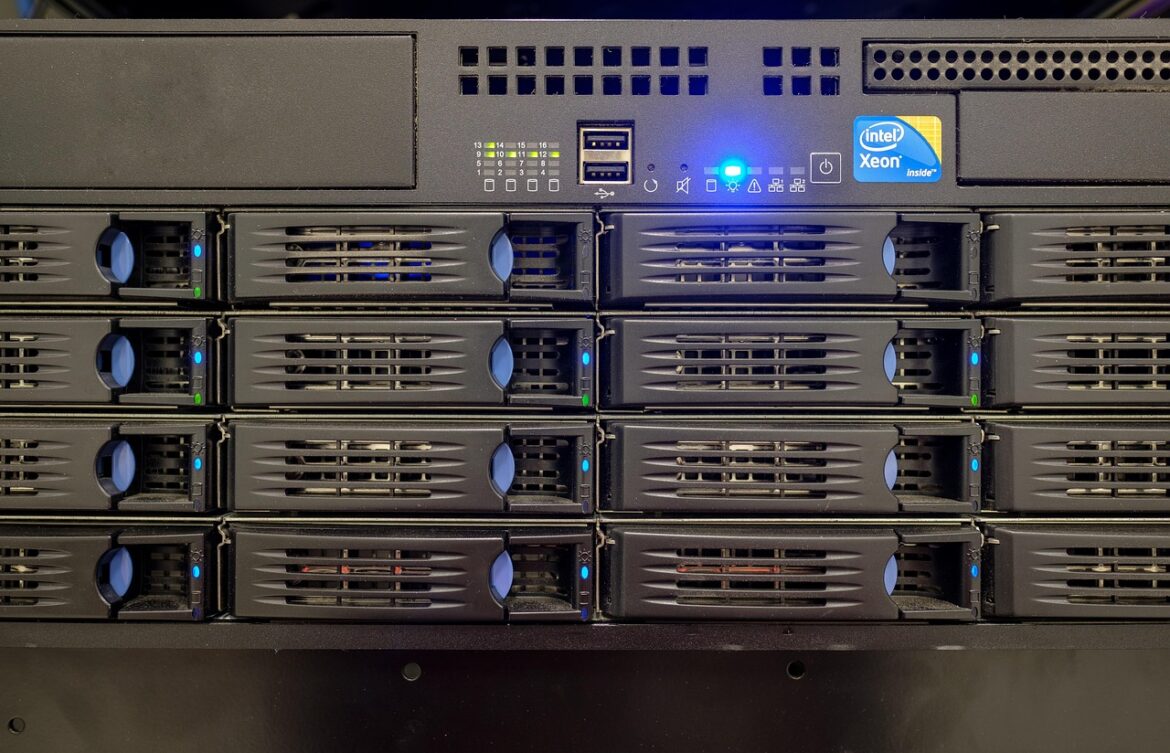
Imagine your company’s data center humming like a well-oiled machine, sipping power instead of guzzling it, while construction sites build greener skyscrapers without the carbon hangover. That’s the real-world magic of today’s trending hardware in corporate sustainability—not pie-in-the-sky dreams, but tools already transforming businesses.
In a world where regulators demand lower emissions and investors chase ESG gold, companies are turning to hardware that pairs with smart software to cut waste, extend lifespans, and green operations. Let’s dive into five standouts making waves in 2026, backed by experts and on-the-ground stories.
1. EcoStruxure IT Hardware: The Data Center Whisperer
S picture Schneider Electric’s EcoStruxure IT setup in bustling data centers. UPS systems (uninterruptible power supplies) and PDUs (power distribution units) aren’t just boxes—they’re like vigilant guardians monitoring every watt. Software syncs with this hardware to tweak cooling on the fly, balance loads, and predict failures before they happen.
Take a typical enterprise: instead of swapping batteries every two years like clockwork, condition-based maintenance spots issues early, slashing emergency truck rolls and emissions. One ops manager shared how it consolidated underused PDUs, freeing up space and power—like decluttering your garage but for gigawatts. Result? Longer asset life, remote tweaks, and energy savings that make CFOs smile.
Key perks in action:
- Alerts for performance dips, planning greener upgrades.
- End-of-life recycling guidance for true circularity.
- Reduced thermal stress, meaning less waste overall.
2. Low-Carbon Building Sensors: Construction’s Early Warning System
Over in construction, sensors tracking temp, humidity, and worker vitals are booming. Think smart helmets and vests on mega-projects like data centers, where firms face strict carbon budgets.
AEC companies using these in 2026 projects report catching problems early—averting downtime and safety scares. One firm on a sustainable high-rise integrated sensors with BIM (building information modeling), optimizing energy from day one. It’s like having a sixth sense for your build site, turning data into dollars saved and CO2 avoided.
Real wins:
- Real-time hazard alerts boost safety and efficiency.
- Ties into digital twins for precise, low-emission designs.
- Helps meet embodied carbon limits without blowing budgets.
3. AI-Optimized Servers and Cooling Rigs: Taming the AI Power Beast
AI’s compute hunger is exploding data center builds, but greenops hardware fights back. Dense servers with liquid cooling retrofits and fast networks are the new norm, making ‘efficient’ the default.
Experts like those at InfoWorld note hyperscalers right-sizing instances and adding backup gen smarter. A cloud provider retrofitted with these cut idle resource waste by 30%, proving cloud ain’t consequence-free. Metaphor time: it’s like swapping a gas-guzzler for a hybrid—same speed, half the fuel.
Practical edges:
- Proactive energy tweaks via integrated monitoring.
- Scales AI without sustainability scandals.
- Measures true environmental costs upfront.
4. AI Glasses: Lightweight Eyes for Field Sustainability Checks
AI hardware like glasses is leaping from labs to factories. These featherweight wearables—obsessed over for under 50g weight and all-day battery—extend worker smarts without bulk.
Imagine maintenance crews scanning equipment; glasses overlay efficiency tips or recycling protocols. In 2026’s mass adoption, factories use them for on-site audits, spotting energy leaks instantly. One investor highlighted how they balance function and comfort, turning heads-down tasks into proactive green wins.
Why they rock:
- Real-time sustainability nudges in harsh environments.
- Lightweight for all-day use, no phone fumbling.
- Boosts compliance in distributed ops.
5. 3D Printers: Printing Profits, Not Pollution
3D printers shine in pop culture merch and beyond, fueled by AI designs. POPMART slashed prototyping cycles for badges and stands, going from idea to shelf in days.
Corporates love them for on-demand parts—think replacing data center bits or custom low-carbon fixtures. It cuts shipping emissions and waste, like magic fabricators in your warehouse. Investors bet big on this for 2026, as it monetizes creativity sustainably.
Game-changers:
- Speeds production, shrinks supply chain footprints.
- AI-generated designs lower entry barriers.
- Perfect for circular economy spares.
These aren’t gadgets gathering dust; they’re profit drivers. Companies blending hardware with software—like EcoStruxure or sensor suites—report 20-40% efficiency jumps. As one expert put it, ‘It’s about repeatable green choices, not one-offs.’ Forward-thinking firms are already deploying, proving sustainability pays. Your move? Start small, scale smart.
References:
- https://blog.se.com/datacenter/2026/01/14/where-hardware-meets-software-driving-the-future-of-sustainable-digital-infrastructure/
- https://www.rib-software.com/en/blogs/construction-industry-trends
- https://www.infoworld.com/article/4118832/ai-is-rewriting-the-sustainability-playbook.html
- https://eu.36kr.com/en/p/3647041834028935
- https://www.newswire.ca/news-releases/monetizing-sustainability-how-environmental-assets-are-driving-profitable-opportunities-864038525.html
- https://netzerocompare.com/articles/legal-and-compliance-priorities-for-sustainability-in-2026-what-businesses-should-prepare-for
- https://www.spglobal.com/ratings/en/regulatory/article/sustainability-insights-climate-transition-trends-global-shippers-chart-a-complex-course-s101664592