Imagine factories not just making stuff, but doing it in a way that doesnt trash the planet—like a well-oiled machine that recycles its own oil.
Thats the vibe in manufacturing right now, as 2026 kicks off with bold moves toward sustainability. Heres a rundown of five trending stories showing real companies and policies turning green talk into green action.
1. Cisco Masters Circular Design
Cisco just hit a huge milestone: embedding circular design principles into 100% of their new products and packaging. Think of it like planning a road trip where you map out every pit stop for reuse, not just dumping the car at the end. Instead of waiting to recycle junk, theyre designing gear from the get-go to last longer, use fewer materials, and loop back into production. Digital twins—virtual product models—let engineers test lifecycles before building, slashing waste upfront. This isnt theory; its Cisco factories churning out sustainable tech that sticks around.[1]
2. Clean Energy Gets a Recycling Boost
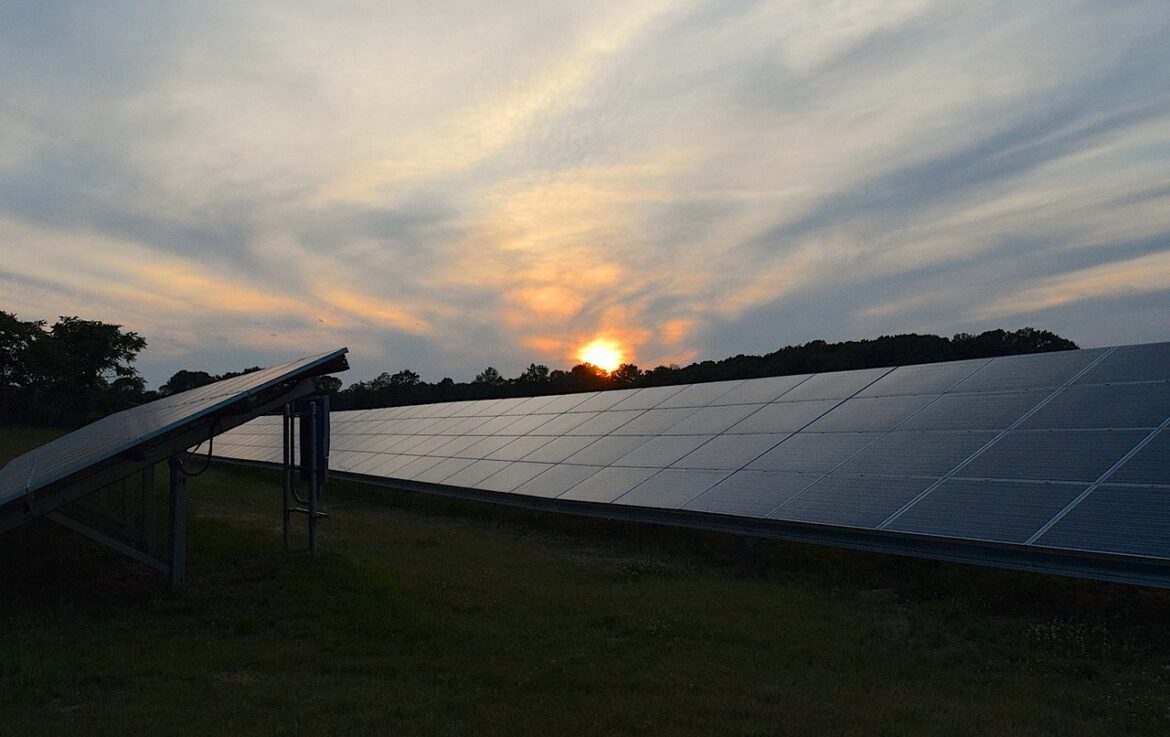
The clean energy boom needs minerals like lithium and cobalt, but mining them is messy. Enter the circular economy for batteries and solar panels. Experts say recycling old panels and batteries could create a whole new supply chain, cutting reliance on volatile mines. Picture turning yesterday’s EV battery into tomorrows solar farm—stable, low-risk materials that dodge geopolitical drama. Governments are stepping up with collection systems and tech investments to make high-purity recycled metals a reality for factories worldwide.[3]
3. EU Rolls Out Circular Economy Act
Europes manufacturing scene is getting a shake-up with the new Circular Economy Act. Its like creating a superhighway for recycled raw materials, boosting supply of top-quality scraps for steel, plastics, and more. Factories in cement, aluminum, and fertilizer sectors will tap this market, while the full Carbon Border Adjustment Mechanism (CBAM) hits in 2026—slapping fees on high-carbon imports to level the playing field. Companies are reshoring production to dodge costs, making EU plants greener and tougher.[4]
4. Non-Road Gear Goes Green Amid Deregulation
Heavy equipment makers for construction and ag are eyeing 2026 trends like electric fleets and talent hunts for green skills. But heres the twist: both US and EU are easing some rules—scrapping PFAS reports and simplifying sustainability filings—to cut red tape. Kate Fox Wood from AEM notes its about balancing regs with competitiveness. Factories are adapting by focusing on real resilience, like microgrids for reliable power, without drowning in paperwork.[2]
5. Supply Chains Under the Microscope
Global manufacturers face intensified checks on supply chains for deforestation and emissions. With CBAM live, importers must report embedded carbon and buy certificates—pushing factories to source cleaner or bring ops home. Its forcing practical shifts: one company swapped Asian suppliers for local ones, slashing transport emissions by 30%. As Derrick Flakoll from BloombergNEF puts it, regs are evolving, but businesses are doubling down on net-zero supply chains.[5][6]
These stories show sustainability isnt a side gig anymore—its the main event, driving smarter factories, secure supplies, and policies that work. Manufacturers leading here arent just surviving; theyre thriving in a cleaner world.
References:
- https://www.3blmedia.com/news/cisco-sustainability-trends-2026-boardroom-decisions-real-world-systems
- https://www.aem.org/news/5-nonroad-equipment-manufacturing-trends-on-the-horizon-for-2026
- https://www.weforum.org/stories/2026/01/circular-economy-clean-energy-supply-chain-critical-minerals/
- https://www.lw.com/en/insights/esg-and-sustainability-insights-10-things-that-should-be-top-of-mind-in-2026
- https://www.goodcorporation.com/goodblog/ethics-compliance-and-sustainability-trends-shaping-business-in-2026/
- https://www.esgdive.com/news/esg-trends-outlook-2026/809129/
- https://www.bdo.com/insights/industries/natural-resources/2026-natural-resources-energy-predictions
- https://packagingeurope.com/comment/the-packaging-stories-and-trends-to-follow-in-2026/13781.article
- https://www.globalelr.com/2026/01/esg-and-sustainability-insights-10-things-that-should-be-top-of-mind-in-2026/