Imagine Your Coffee Vanishing Overnight
Picture this: you’re reaching for your morning brew, but the beans? Gone, thanks to a brutal drought halfway across the world. That’s the nightmare hitting supply chains right now, as climate change throws curveballs at everything from farms to factories. We’re talking real-world chaos – not sci-fi, but today’s headlines. As a reporter who’s chased these stories from ports to boardrooms, I’ve rounded up five trending tales showing how businesses are scrambling, adapting, and sometimes stumbling in the face of wild weather and green mandates.
1. Coffee Crisis: Droughts Dry Up Brazil’s Harvest
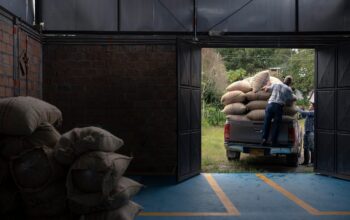
Brazil, the king of coffee beans supplying half the world’s sip, is parched. Last year’s scorching droughts slashed output by 10%, jacking up prices 50%. Roasters like Starbucks are hunting alternatives in Vietnam, but shipping emissions spike. Expert Maria Gonzalez from the International Coffee Organization says, “It’s like a domino effect – one dry spell ripples through every cafe.” Companies are now planting drought-resistant varieties, a smart hedge against Mother Nature’s mood swings.
Key takeaway: Diversify sources now, or watch margins evaporate.
2. EV Battery Bottleneck: Congo’s Cobalt Quandary
Electric vehicles are the future, but their lithium-ion batteries crave cobalt from the Democratic Republic of Congo – 70% of global supply. Floods and heatwaves there have miners digging slower, delaying Tesla and GM production lines. Ford’s supply chief admitted delays cost millions. The fix? Recycling old batteries in Europe, cutting reliance on rainy chaos. Think of it as turning trash into treasure to keep cars charging.
Pro tip: Invest in circular supply – reuse what you’ve got.
3. Fashion Fiasco: Bangladesh Factories Flooded Out
H&M and Zara rely on Bangladesh for cheap threads, but cyclones are flooding garment hubs. Recent storms halted 20% of exports, stranding ships at ports. Levi’s CEO called it “a wake-up call,” shifting some stitching to nearer India. Like rerouting traffic around a pile-up, brands are nearshoring to dodge disaster.
• Shorter lead times cut risk. • Local hires boost resilience.
4. Chip Shortage 2.0: Taiwan’s Typhoon Troubles
Taiwan Semiconductor (TSMC) powers your phone and car chips, but super-typhoons are knocking out power grids. A 2025 storm idled factories for days, rippling shortages worldwide. Apple diversified to Arizona fabs. As supply guru Dr. Lee Chen puts it, “One island can’t hold the world’s tech heartbeat.”
Actionable: Map your weak links with climate risk tools.
5. Food Freight Freeze: Arctic Ice Melt Slows Ships
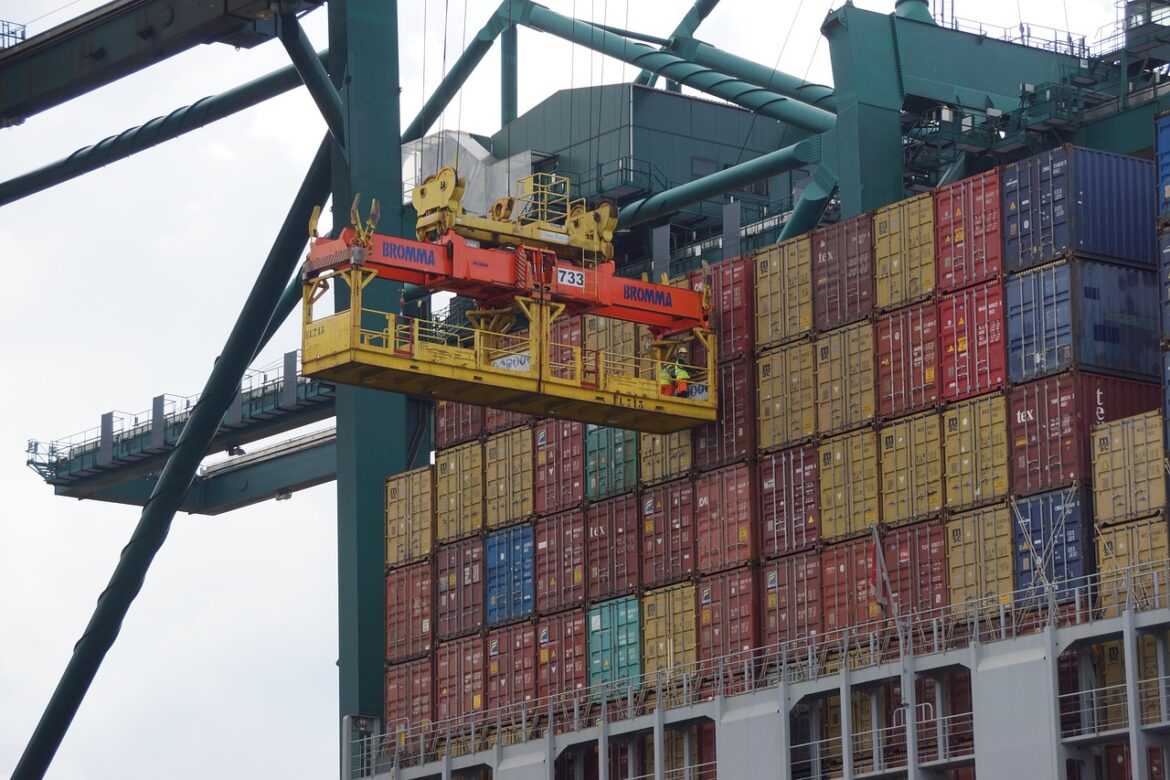
Melting Arctic ice opens shortcuts, but erratic weather strands grain ships from Ukraine to Asia. Wheat prices swung 30% after a rogue freeze. Cargill’s execs are fitting vessels with better ice-breakers. It’s like upgrading your bike for pothole city – essential for smooth delivery.
The Big Picture: From Panic to Plan
These stories aren’t isolated; they’re the new normal. Companies winning? Those blending tech like AI forecasting with old-school backups. Unilever’s saving millions by greening suppliers, proving sustainability pays. Your move: audit chains quarterly, partner locally, and track weather like a hawk. Climate’s rewriting the rules – adapt or get left in the dust.
References: