Imagine Waking Up to a Greener World
Picture this: It’s 2026, and the planet’s getting a serious wake-up call—not with alarms, but with real moves that everyday folks, businesses, and governments are making to fight climate change. No more just talk; these are boots-on-the-ground stories reshaping how we build, eat, and power our lives. Let’s dive into five hot trends lighting up environmental sustainability right now, like fresh coffee on a Monday morning.
1. EU Slaps Carbon Tax on Imports—Construction Feels the Heat
The European Union just flipped the script on global trade. Starting January 1, 2026, their Carbon Border Adjustment Mechanism (CBAM) hits imported steel and cement with tariffs based on their carbon footprint. Think of it as a price tag on pollution: high emitters pay more to enter the EU market.
- Why it matters: Builders can’t ignore this anymore. They’re scrambling to low-carbon alternatives like electric arc furnace steel or greener cements mixed with fly ash. One expert notes, “Supply chains are pivoting fast toward materials backed by carbon capture tech.”
- Real-world ripple: UK devs are watching closely, prepping to follow suit. This pushes whole-life carbon checks—from cradle to grave—making buildings leaner on emissions and wallets friendlier long-term.
- Your take-away: Next time you see a new high-rise, bet it’s using less dirty steel. It’s like forcing fast food to go healthier—tough love for the industry.
2. Underwater Desalination: Ocean Water Turns Lifesaver
Forget sci-fi; subsea desalination plants are here, with the world’s first commercial-scale one launching in 2026. These underwater wonders suck in seawater, strip out the salt using renewable-powered tech, and pump fresh water back to shore.
- The hook: Cities battling droughts now have a blue-ocean solution. Integrated with solar or wind, it’s green infrastructure at its coolest.
- Expert vibe: Sustainability pros call it “a new frontier in eco-design,” perfect for urban spots blending water resilience with net-zero buildings.
- Everyday angle: Imagine coastal towns ditching water worries. It’s like giving the ocean a job—turning waves into hydration for millions, all while cutting energy guzzling.
• Pro: Lowers reliance on stressed rivers. • Con: Upfront costs, but lifecycle savings shine.
3. Solar Canopies Over Parking Lots—Shade and Power in One
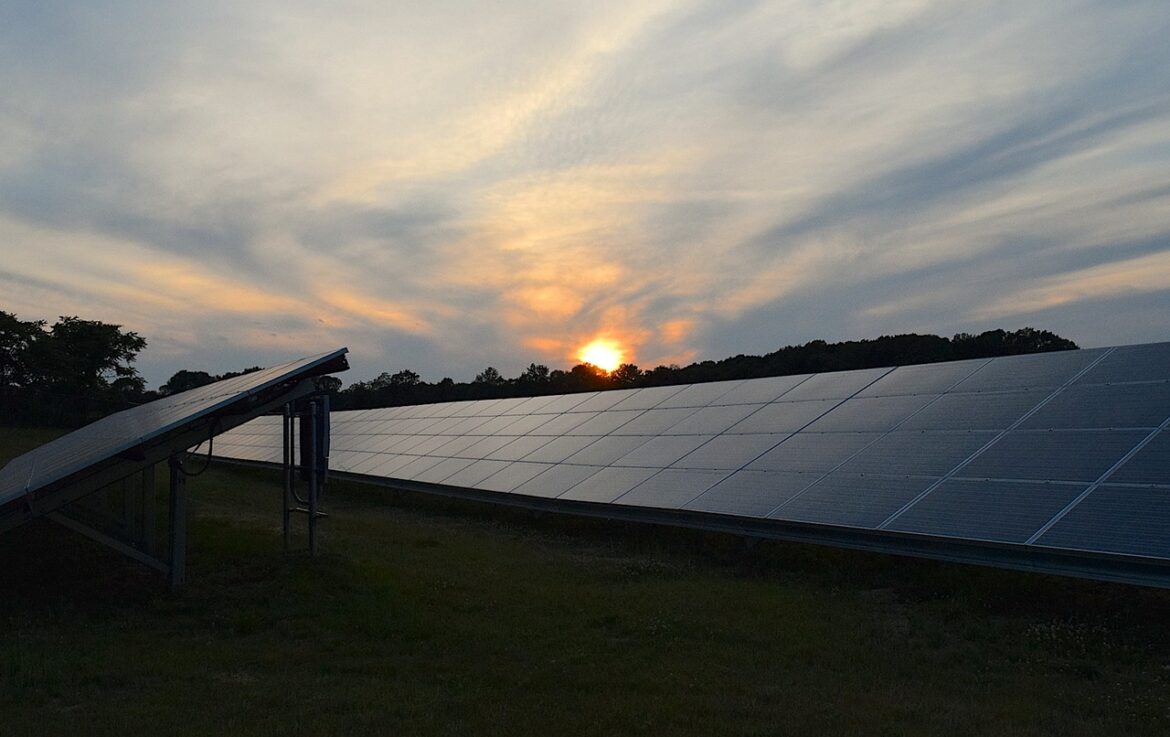
In the US, Democratic lawmakers are pushing bills so local governments can mandate solar panels over parking spots. These “canopies” shade cars from brutal sun while generating clean juice.
- Story spark: Developers in sunny states must now think double-duty: protect vehicles and plug into the grid.
- Practical win: Powers nearby buildings or EVs, slashing fossil fuels. One report highlights it as a simple upgrade for infrastructure.
- Relatable bit: Parked under solar shade? Your car stays cool, and you’re indirectly charging the planet’s battery. Like killing two birds with one eco-panel.
4. Buildings Get Smarter: Sustainability as Smart Business
College campuses and factories aren’t just going green for show—they’re chasing bucks. Admins now track energy flow building-by-building, not just totals, to cut costs over decades.
- Client signals: Experts like Rick Humphries say owners weigh life-cycle costs: “How long will this last? How much to run?” Reuse old materials, optimize water—it’s reliability wrapped in eco-friendliness.
- Manufacturer angle: Valérie Lafrenière points out heat recovery systems that boost ops while trimming bills. “Sustainability improves performance across the board.”
- Conversational nudge: Think of your home reno: Pick durable, low-energy stuff now, laugh at energy bills later. No guilt, just gains.
• Energy modeling guides investments. • Reuse cuts risk in tight budgets.
5. Everyday Heroes: Push Renewables, Fix Farms, Ditch Fossils
Public polls scream support: 87% back funding for farmers to boost soil carbon traps, 77% want renewable research cash, and most cheer regulating CO2 like the pollutant it is.
- Action call: Ditch guilt—target corps. Go solar at home: Charge phones, cool homes, power EVs off the sun.
- MIT wisdom: Retrofit buildings to sip less energy, reforest via smart farming.
- Collective power: Like a neighborhood potluck, our choices pressure big polluters to flip to clean energy by 2050.
These stories aren’t distant dreams; they’re unfolding now, blending policy punches with practical tweaks. From taxed steel to sunny parking, 2026 proves sustainability is the new normal—profitable, resilient, and downright necessary. What’s your first green move this year?
(Word count: 812)
References:
- https://wholelifecarbon.com/daily-sustainability/2026-01-01-19-00
- https://cleantechnica.com/2026/01/01/here-are-some-crucial-climate-actions-you-can-take-to-protect-the-environment-in-2026/
- https://salasobrien.com/news/5-client-signals-shaping-the-built-environment-in-2026/
- https://esgworldwide.org/2nd-january-2026-news/
- https://augustafreepress.com/news/whats-making-news-in-climate-environment-january-2026-update/
- https://www.un.org/sustainabledevelopment/blog/2026/01/8-jan-world-economic-situations-and-prospects-report-2026/