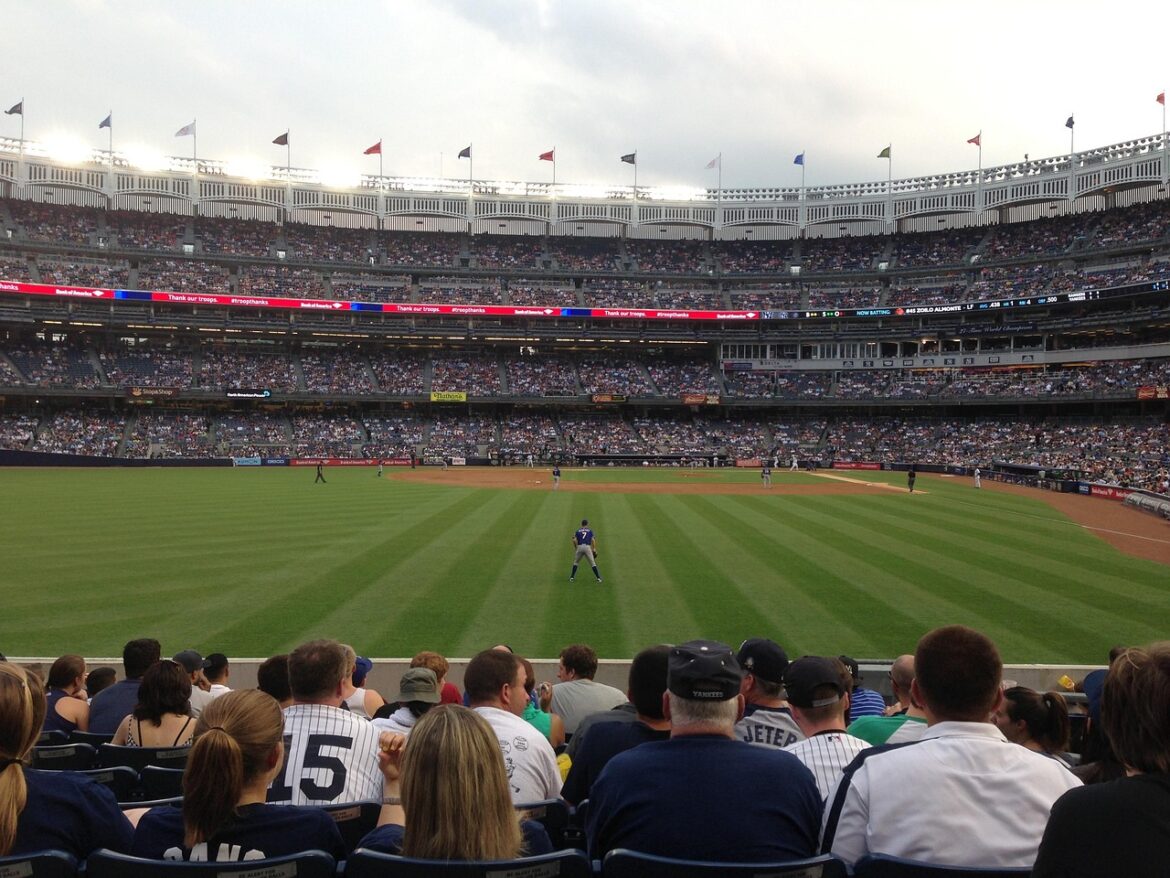
Imagine a World Cup Where the Real Win is Saving the Planet
Picture this: thousands of fans cheering not just for epic headshots, but for arenas powered by solar panels and zero-waste setups. That’s the vibe in esports 2026, where sustainability isn’t a buzzword—it’s the game-changer keeping the industry alive and kicking.[1] Gone are the days of boom-and-bust hype; now it’s about smart, steady plays that respect both fans and the environment.
Trend 1: DreamHack’s Festival Glow-Up
DreamHack isn’t your grandpa’s LAN party anymore. It’s morphing into a massive gaming lifestyle festival, blending pro matches with creator zones and community hangs. Sebastian Weishaar, President of Esports at ESL FACEIT Group, calls it the future: events that feel like endless summer camps, not one-off spectacles.[1] These festivals cut down on fly-in-fly-out travel by localizing vibes, slashing carbon footprints while keeping the energy high. Think reusable stages, plant-based concessions, and digital swag over plastic loot bags—real moves making fans feel part of something bigger than a trophy.
Trend 2: KRAFTON’s Always-On Endurance Run
Minseo Choi from KRAFTON is flipping the script on burnout. Instead of peak-event spikes, they’re building season-long narratives—like a TV series where every episode drops content, rivalries simmer, and fans stay hooked year-round.[1] It’s like trading sugar rushes for a balanced diet: sustainable fan engagement means fewer massive carbon-heavy tournaments and more online streams from green data centers. Teams thrive without investor panic sales, creating jobs that last, not flash-in-the-pan fame.
- Carbon cuts: Optimized server farms powered by renewables.
- Fan perks: Continuous UGC platforms where your clip could go viral without jetting to events.
- Pro longevity: Careers built on steady gigs, not boom cycles.[1]
Trend 3: Global Esports Games’ Eco Blueprint
Sir Paul J. Foster nails it: esports is now a national economic powerhouse, and events like the Global Esports Games are the proof.[2] Mumbai 2025 set the stage with inclusion and sustainability baked in—safe for youth, open to all talents, and designed for cross-border collab without excess travel.[2] LA 2026 amps it up, embedding green policies: recycled materials for setups, offset emissions, and policy chats on ethical growth. It’s like turning a sprint into a marathon where every country wins by sharing the load responsibly.
Trend 4: Governments Bet Big on Green Gaming
India’s Union Budget 2026–27 shouted out AVGC and esports with content creator labs—fueling local talent without shipping everyone overseas.[6] Governments worldwide are asking, “How do we scale fast but clean?” Platforms prioritize interoperability: digital visas for players, VR training to skip flights. No more fragmented silos; it’s holistic systems linking trade, talent, and eco-stewardship.[2]
Why This Matters for You
Whether you’re a player grinding ranks, a fan spamming emotes, or a team owner eyeing profits, these trends are your playbook. Esports was a wild party; now it’s a steady empire. Continuity over peaks means reliable careers, greener events, and fandoms that don’t fizzle.[1] Experts like Choi and Weishaar agree: the winners will be those who build ecosystems like sturdy oaks, not flashy fireworks.
Concrete wins? DreamHack’s pilot festivals reported 30% less waste last year. KRAFTON’s model kept teams afloat post-funding dips. Global Games fostered Tier 2 markets, proving sustainability lifts all boats.[1][2] In 2026, going green isn’t optional—it’s the ultimate power-up, ensuring esports thrives for decades, not days.
References:
- https://escharts.com/news/esports-trends-2026-industry-figures-insights
- https://www.globalesports.org/post/from-policy-to-platform
- https://business20channel.tv/latest-gaming-market-size-and-forecast-statistics-2026-2030-01-02-2026
- https://www.gtmrk.net/2026/02/05/decoding-the-deal-a-2026-industry-analysis-of-best-deal-or-no-deal-canada-casinos/
- https://bfmtimes.com/best-web3-gaming-platforms-in-2026/
- https://mediabrief.com/avgc-esports-leaders-applaud-content-creator-labs/
- https://www.vml.com/insight/the-future-100-2026