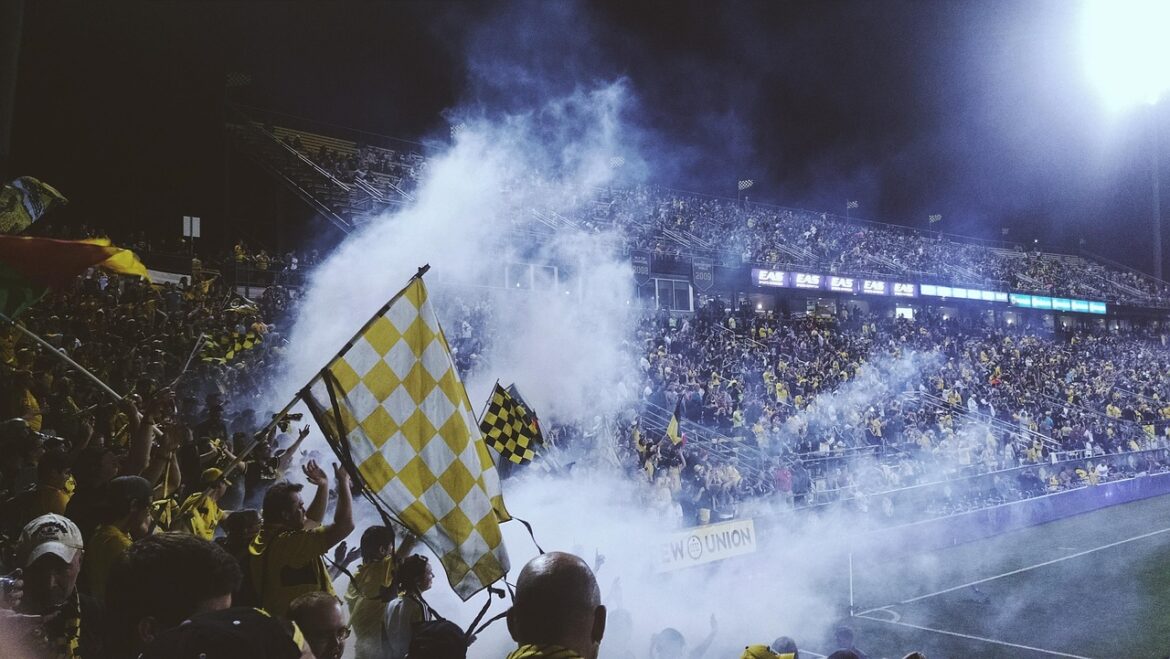
Esports used to have one big blind spot: the planet.
For years, the industry was laser-focused on views, prize pools, and bigger arenas, while the environmental cost of all that growth sat quietly in the background. Now, that is changing. Teams, tournament organizers, and even hardware makers are treating sustainability like a new competitive stat they actually want to max out.
Below are some of the most interesting real-world moves happening right now in green esports—and what they mean for people who run events, brands, or companies watching this space.
1. Low‑carbon tournaments go from experiment to expectation
Think of big live events as the esports equivalent of boss fights: flights, lighting, PCs, stages, LED walls, merch. All of that means energy and emissions.
In the last few years, several major tournament organizers have started to treat carbon like a budget line:
- Venue energy overhaul: Some organizers now choose arenas that run on a high share of renewable power or sign short-term green energy contracts for the event days. In practice, that can mean LED lighting instead of older rigs and strict rules on what gets powered and when.
- Travel rethink: A number of events have begun nudging teams and staff toward trains over planes for regional travel, and clustering qualifier events by geography so fewer people cross continents multiple times a season.
- Carbon accounting as a deliverable: Instead of just reporting viewership, some events now send partners a simple one-pager showing estimated emissions and how much was reduced compared with a past edition.
For sponsors and host cities, this is useful: it turns a vague “we care about the planet” promise into a concrete story they can show investors, employees, and local residents.
2. Teams treat climate like part of their brand story
Top esports teams are evolving from pure performance machines into lifestyle brands, and sustainability is slipping into that identity.
Here is what this looks like on the ground:
- Eco‑branded jerseys and merch: Some organizations now release limited drops made from recycled polyester or organic cotton, and market them as “green editions.” The designs are still hype-ready, but the pitch includes how much water or plastic waste was saved.
- Office and bootcamp makeovers: New facilities are being built with solar panels, motion-sensor lighting, and better insulation. For players, it feels like a more comfortable, modern space; for management, it is lower energy bills and a better story for sponsors.
- Cause‑based campaigns: Teams partner with NGOs or environmental groups for tree-planting streams, in-game challenges tied to donations, or “carbon-neutral match days” where ad revenue funds certified climate projects.
From a business angle, this helps teams stand out in a crowded market and gives brand partners a ready-made, feel-good storyline to plug into without building everything from scratch.
3. Hardware and data centers move from “more power” to “smart power”
Behind every smooth broadcast is a small city’s worth of gear: gaming PCs, servers, routers, editing suites, and streaming setups. Historically, the rule was simple—more power, more performance.
That script is being rewritten in a few practical ways:
- Energy‑efficient rigs: Tournament setups are increasingly designed around hardware that hits a sweet spot between frame rate and power use, rather than just max specs at any cost. Less waste heat also means cheaper cooling on site.
- Cloud and co-location strategies: Instead of every organizer running their own heavy infrastructure, more are using cloud or shared data centers that already run on a high share of renewable energy and optimized cooling systems.
- Circular hardware programs: Some partners run take-back schemes where older event PCs are refurbished and donated to community centers, schools, or training programs, avoiding e-waste and building goodwill at the same time.
For companies watching the broader tech and media landscape, this mirrors a larger trend: sustainability and cost efficiency are quietly becoming the same conversation.
4. Players and fans turn climate into content
Esports lives and dies by its communities. If fans and players are not interested, nothing else matters. The encouraging shift: climate topics are starting to show up in ways that feel native to gaming culture rather than bolted-on corporate campaigns.
Real-world examples include:
- Charity streams with a twist: Instead of generic fundraisers, creators run “low‑energy” or “no-flight” season challenges, talk openly about their own carbon footprints, and link milestones in-game to milestones in donations.
- In‑game events and cosmetics: Some game publishers experiment with themed events where players unlock eco-inspired skins, maps, or missions tied to real-world awareness days. It is still entertainment first, but it plants a seed.
- Community projects: Local clubs and university esports societies host clean-up days, tree-planting sessions, or recycling drives branded around their teams. The hook is simple: do something offline together, then head back and play.
For companies, this is a reminder: sustainability messages work best when they respect the culture and give fans something fun or meaningful to do, not just something to read.
5. Why this matters for businesses and organizers
If you run events, sponsor teams, or work in a company dipping its toe into esports, these trends are not just nice-to-have. They are becoming part of the baseline expectations from cities, regulators, investors, and young audiences.
Here are a few practical takeaways:
- Treat carbon and waste like any other KPI: track it, set targets, and share simple progress updates.
- Look for co-benefits: moves that cut emissions and also reduce costs, improve comfort, or strengthen brand loyalty.
- Build sustainability into contracts and briefs: from venue selection and travel policies to hardware choices and merch suppliers.
- Let players and creators shape the message: they are the ones who know what feels authentic to their audiences.
Esports will never have a zero footprint, just like any other global entertainment industry. But the story is clearly shifting—from ignoring the issue to experimenting, iterating, and competing on who can entertain millions while treading lighter on the planet. For an industry built on constant patch notes and meta shifts, that mindset might be its biggest advantage.
References:
- https://onlinelibrary.wiley.com/doi/10.1002/sd.70618
- https://www.prnewswire.com/news-releases/esports-world-cup-foundation-introduces-national-team-representation-framework-for-the-esports-nations-cup-2026-302656531.html
- https://speequalgames.com/gaming-trends-2026-throughh-the-lens-of-gaming-culture/
- https://arabic.sport360.com/article/%D8%A7%D9%84%D9%85%D9%86%D8%AA%D8%AE%D8%A8%D8%A7%D8%AA/%D9%85%D9%86%D8%AA%D8%AE%D8%A8-%D8%A3%D8%B3%D8%A8%D8%A7%D9%86%D9%8A%D8%A7/665006/%D9%85%D9%84%D8%AE%D8%B5-%D8%A3%D8%AE%D8%A8%D8%A7%D8%B1-%D9%85%D9%86%D8%AA%D8%AE%D8
- https://www.unpad.ac.id/radio/