Imagine tossing your old smartphone into a bin, only for it to rebirth as gold for your next gadget—thats the magic of todays eco-smart electronics.
Corporations are racing to make sustainability sexy, blending cutting-edge tech with planet-friendly vibes. At CES 2026, LG scooped awards for their SIGNATURE Washer and Dryer, hailed by CNET as the home tech everyones buzzing about for blistering speed and efficiency that slashes energy use.
But its not just laundry. Heres a rundown of 5 trending consumer electronics stories lighting up corporate sustainability efforts:
1. Smart E-Waste Recycling Devices from Tech Giants Picture Apple or Samsung-style take-back kiosks popping up in malls. Leading manufacturers like those in Boliden AB and EnviroLeach are rolling out closed-loop systems. Your old laptop? It gets shredded, sorted by AI, and precious metals like gold and silver extracted via hydrometallurgy—fancy chemistry that pulls value from trash. One real-world win: companies reclaiming metals cheaper than mining, cutting CO2 emissions and hitting ESG goals. Its urban mining, baby—digging treasure from city dumps instead of Earths crust.
2. Energy-Sipping AI-Optimized Appliances AI is the brainy sidekick making gadgets greener. LGs award-winning washer uses predictive smarts to optimize wash cycles, using less water and power. Think of it as your laundry having a personal trainer. Experts from IEEE predict AI-driven power grids and datacenter tweaks will slash energy costs by 2026, trickling down to consumer gear. Hyperscalers are signing renewable PPAs to power AI without fossil guilt.
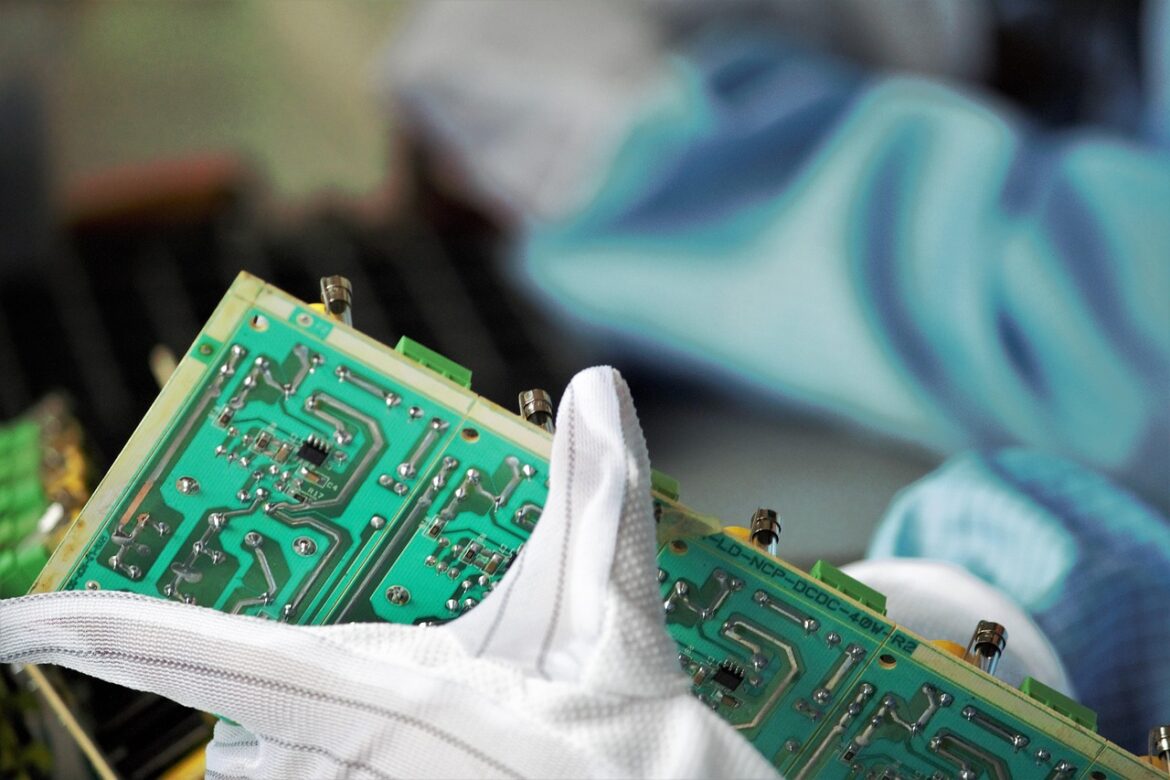
3. Printed Electronics for Custom Low-CO2 Designs Lopec 2026 spotlights printed OLED screens and circuits—think custom car interiors or wearables made on-demand with inkjet tech. No wasteful factories; just print what you need. Its like 3D printing meets electronics, slashing material waste and CO2 footprints. Companies are customizing OLED panels for cars, reducing emissions by avoiding mass production overkill.
4. Recycled Battery-Powered EVs and Gadgets Redwood Materials facilities are churning out batteries from old EVs and phones, feeding back into new consumer devices. In 2026, watch Western recycling hubs process critical minerals like lithium without digging new mines. China leads with billions in clean tech, dominating solar-integrated chargers and EV batteries that power your home gadgets sustainably.
5. Digital Product Passports in Smartphones and Wearables By 2026, EU mandates Digital Product Passports for electronics—QR codes tracking a phones lifecycle from mine to recycle bin. Brands like those at Janus Henderson are embedding this for transparency. Scan your watch, see its carbon footprint and recycling instructions. Its empowering consumers to choose green, pressuring corps to loop materials responsibly.
These arent pie-in-the-sky ideas. PwC notes 84% of big firms doubling down on climate pledges in 2025, carrying into 2026. Tech leaders say its about survival: regulations like Extended Producer Responsibility force companies to own end-of-life products.
For businesses, its a win-win. Recycling cuts costs—metals from e-waste beat virgin mining prices. Employees love bragging about green gadgets; customers flock to eco-brands. One metaphor nails it: its like turning your companies waste into a goldmine, literally.
Concrete example? UKs Tyseley Energy Park recycles minerals from appliances, powering local grids. In the US, new 2026 facilities promise scale.
Stepping into 2026, these trends show electronics evolving from disposable to durable cycles. Corporations leading here arent just compliant—theyre innovators shaping a circular future. Your next gadget might just save the world while doing its job.
References:
- https://www.globenewswire.com/news-release/2026/01/28/3227343/0/en/Precious-Metals-E-Waste-Recovery-Global-Industry-Report-2026-A-7-4-Billion-Market-by-2030-Driven-by-Increasing-Demand-for-Sustainable-Resource-Recovery-Growing-Focus-on-Circular-Ec.html
- https://www.janushenderson.com/corporate/article/sustainable-equities-from-digital-to-physical-how-ai-is-reshaping-capital-and-climate/
- https://www.morningstar.com/news/pr-newswire/20260129dc74523/ieee-reveals-2026-predictions-for-top-technology-trends
- https://www.z2data.com/insights/key-developments-in-critical-minerals-to-watch-in-2026
- https://www.all-about-industries.com/lopec-2026-printed-electronics-reduces-co2-footprint-a-b75ab9d90b52ecaa0254adcb1ae313eb/
- https://www.bsr.org/en/focus/responsible-technology
- https://www.lg.com/global/newsroom/news/corporate/lg-electronics-continues-technological-dominance-with-wide-range-of-awards-and-accolades-at-ces-2026/
- https://www.accessnewswire.com/newsroom/en/business-and-professional-services/sandp-global-lists-%22top-10-sustainability-trends-to-watch-in-202-1130610