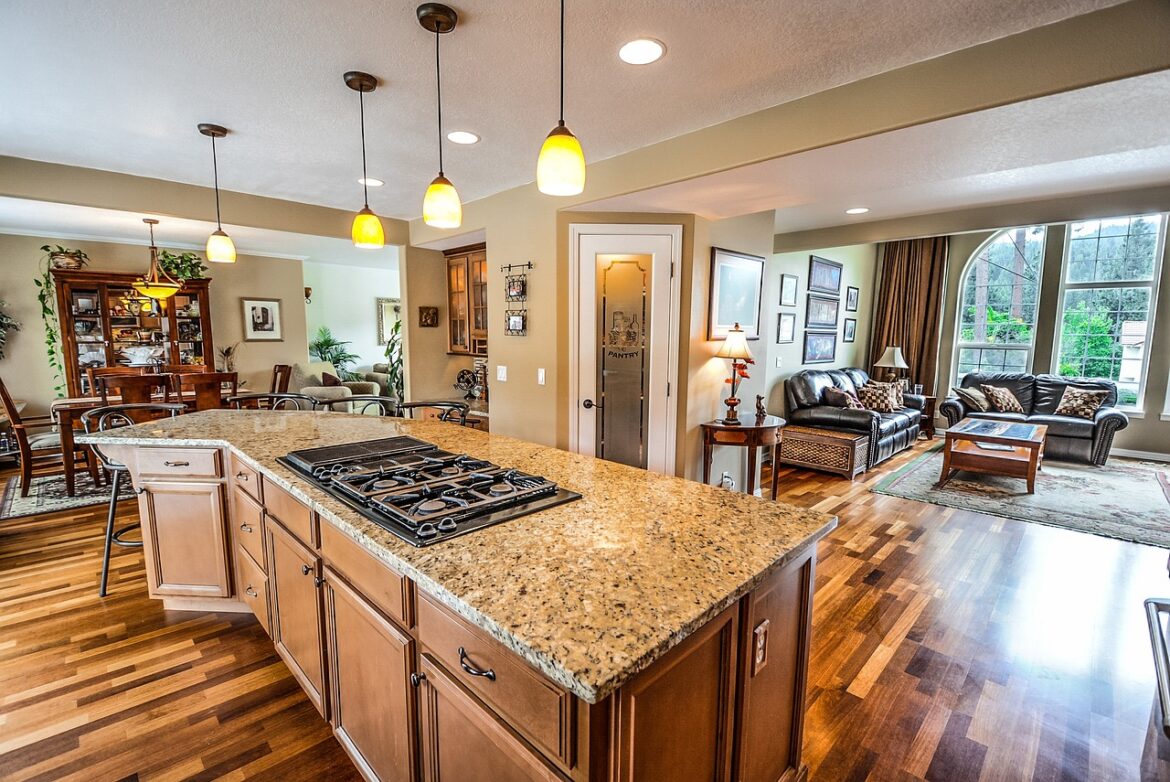
Welcome to the Green Design Revolution of 2025!
If you think sustainability means giving up style or comfort, think again. This year, designers are brilliantly combining eco-friendly materials and smart technology to create spaces that are not only good for the planet but genuinely vibrant and inviting.
1. Recycled and Natural Materials Take Center Stage
Recycled wood and metal are no longer afterthoughts but key players in furniture and wall accents. Imagine your basement walls dressed in reclaimed wood or your coffee table crafted from salvaged metal — all adding history, character, and a smaller carbon footprint.
On the natural side, bamboo is booming worldwide. Known for its strength and rapid growth, bamboo is used in everything from flooring to decorative panels, especially in countries like India where government initiatives are pushing its cultivation. This material helps reduce carbon emissions and supports local economies.
Alongside bamboo, recycled glass countertops and locally sourced stones are becoming popular for their beauty and environmental benefits.
2. Bold Colors and Textured Layers
Forget minimal grey and beige — 2025 welcomes bold, earthy hues. Think deep blues and rich greens brought to life through textured brick, wood paneling, or lively patterned wallpaper. These choices make rooms feel warm, energetic, and full of personality.
3. Smart Tech Meets Eco-Conscious Living
Technology is making sustainability stylish and effortless. Voice-activated lighting and thermostats personalize comfort while cutting down energy use. Built-in audio systems and secure monitoring enhance convenience.
Luxury homes are also embracing green technology like retractable skylights for natural airflow and lighting, plus automated temperature controls that dance with the day’s rhythm to save energy.
4. Multifunctional and Efficient Spaces
As living spaces evolve, multifunctionality is a priority. Imagine rooms that adapt easily to work, rest, or play using sustainable design principles. 3D printing technology is helping create intricate, eco-friendly building materials that reduce waste and cost.
5. Net-Zero Buildings and Wellness-Focused Environments
The concept of net-zero buildings—structures that produce as much energy as they consume—is becoming standard in urban planning for 2026 and beyond. This shift not only trims carbon footprints but also improves indoor air quality and wellness. Features like indoor greenery, natural light maximization, and water elements offer serene spaces that support mental and physical health.
What Does This Mean for You?
Whether you’re redesigning a home, updating an office, or simply intrigued by sustainable living, 2025’s trends demonstrate that caring for the environment can go hand in hand with cutting-edge design and comfort. Integrating recycled materials, bold colors, and smart green technologies creates spaces that speak to both your soul and the planet.
So next time you consider a refresh, think green — and stylish!
References:
- https://elkstonebasements.com/top-design-trends-for-basements-in-2025/
- https://www.hotbot.com/articles/visual-art-design-trends/
- https://www.worldconstructiontoday.com/articles/building-decoration-trends-preparing-for-2025-and-beyond/
- https://www.winssolutions.org/24-sustainability-trends-2026/
- https://www.trueparity.com/blog/discover-luxury-home-green-architecture-trends
- https://www.harlemworldmagazine.com/sponsored-love-sustainability-meets-style-the-rise-of-eco-luxury-interiors-in-new-york-city/
- https://www.ernesthomes.com/blog/blogpost/the-role-of-natural-materials-in-modern-home-design