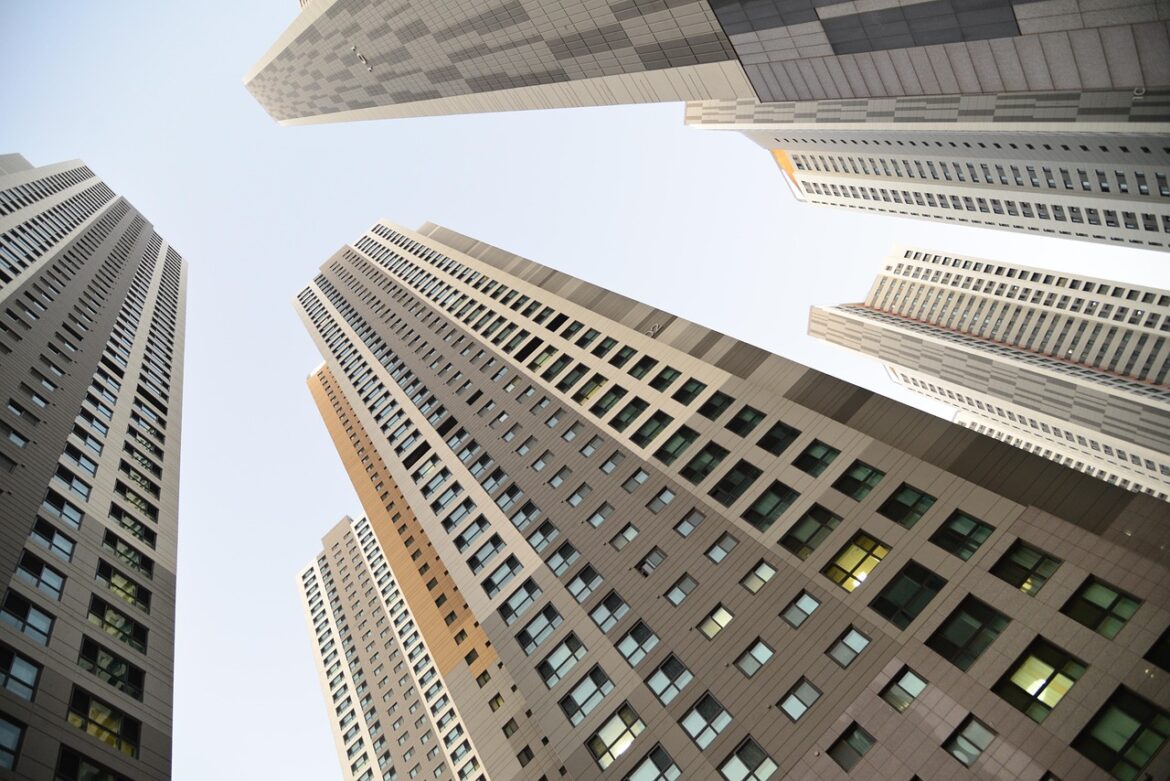
Imagine walking into a building that breathes like a living thing, with walls covered in plants and a roof that collects rainwater. Sounds like science fiction? Not anymore. Across the globe, construction companies are turning these ideas into reality, making sustainability a top priority in how we build homes, offices, and even hospitals.
AI Helps Design Greener Buildings
Artificial intelligence is no longer just for robots and smart assistants. In construction, AI is helping architects design buildings that use less energy and materials. Tools like Autodesk’s Generative Design and Spacemaker are being used to create smarter layouts, optimize energy use, and even predict how a building will perform before a single brick is laid. For example, a new office complex in California used AI to model airflow and sunlight, cutting down on the need for air conditioning and artificial lighting. The result? A building that’s not only beautiful but also saves money and reduces carbon emissions.
Modular Construction Takes Off
You’ve probably seen those prefab houses that pop up in a matter of days. Modular and off-site construction is no longer just for temporary shelters. Companies like Katerra are building entire apartment blocks and commercial spaces in factories, then shipping them to the site for assembly. This method cuts down on waste, speeds up construction, and reduces the carbon footprint of the building process. In cities like London and New York, modular housing is helping solve the housing crisis while keeping sustainability in mind.
Tracking Carbon Footprint of Materials
It’s not just about how a building looks or functions—what it’s made of matters too. In 2025, more companies are using tools like One Click LCA to track the carbon footprint of every material they use, from steel to concrete. This helps builders choose materials that are less harmful to the environment. For instance, a new hospital in Seattle used recycled steel and concrete mixed with recycled aggregates, reducing its carbon emissions by nearly 30% compared to traditional construction.
Nature-Inspired Designs Are Everywhere
Green roofs, vertical gardens, and biophilic architecture are no longer just for fancy hotels. These features are popping up in schools, offices, and even apartment buildings. The Eastgate Centre in Zimbabwe is a famous example—it uses natural ventilation inspired by termite mounds to stay cool without air conditioning, cutting energy use by up to 90%. In cities like Singapore and Paris, green roofs are helping to reduce urban heat and improve air quality, making cities healthier and more livable.
Water Conservation Is a Priority
Water is precious, and new buildings are designed to use it wisely. Rainwater harvesting systems collect water for irrigation, toilets, and even laundry. Greywater systems recycle water from sinks and showers for non-drinking purposes. In drought-prone areas like California, these systems are becoming standard in new construction. One housing development in Los Angeles uses a combination of rainwater harvesting and greywater recycling to cut water use by half, making it a model for sustainable living.
The Circular Economy Is Changing Construction
The old way of building—tear down, build new, send waste to landfill—is being replaced by a circular economy model. Companies like Madaster are creating platforms to track the lifecycle of building materials, making it easier to reuse and recycle them. Deconstruction, rather than demolition, is becoming the norm. In Amsterdam, a new office building was designed so that every material can be easily disassembled and reused in the future, minimizing waste and maximizing sustainability.
Smart Buildings Are Getting Smarter
Modern buildings are becoming more intelligent and responsive. Sensors adjust lighting and air conditioning automatically, while energy management systems track consumption in real time. These technologies not only save money but also reduce waste and make daily living more comfortable. A new apartment complex in Tokyo uses smart sensors to optimize energy use, cutting electricity bills by 20% and providing residents with a more comfortable living environment.
The Future Is Green
Sustainable construction is no longer a niche trend—it’s becoming the standard. From AI-driven designs to recycled materials and smart technologies, the industry is embracing sustainability in every aspect of building. As more companies and governments set ambitious net-zero targets, the push for greener buildings will only grow stronger. The future of construction is not just about building structures—it’s about building a better world.
References:
- https://www.voyansi.com/15-new-tendencies-in-the-aeco-industry-for-2025/
- https://designkeybuilders.com/building-for-tomorrow-the-future-is-sustainable/
- https://www.globenewswire.com/news-release/2025/11/13/3187113/0/en/United-States-Construction-Industry-Report-2025-2029-Significant-Opportunities-Driven-by-Digital-Innovation-Sustainable-Practices-and-Rising-Demand-for-Residential-and-Commercial-S.html
- https://kpmg.com/ie/en/insights/strategy/built-environment-driving-future-growth.html
- https://www.deloitte.com/us/en/insights/industry/engineering-and-construction/engineering-and-construction-industry-outlook.html
- https://journals.nipes.org/index.php/jete/article/download/1723/1213/4810
- https://brightpathassociates.com/investing-in-green-funding-sustainable-building-material-projects/