The Environmental Story We’re Actually Watching
There’s something shifting in how we talk about climate change these days. Instead of doom-and-gloom predictions, a new wave of television and documentary content is spotlighting real humans solving real problems. It turns out that the most compelling environmental stories aren’t about what we’re losing—they’re about what we’re actually doing about it.
Blood and Oil: Following the Money
One standout is Blood and Oil, a documentary-style series that dives into the messy reality of global energy politics. Rather than lecturing viewers about fossil fuels, the show exposes the complex web of geopolitics, corporate strategy, and environmental consequences tied to oil extraction. Think of it as following the actual money and power behind energy decisions—the kind of story that makes you understand why transitioning away from fossil fuels is so complicated.
This approach works because it’s not abstract. You see the real actors, the competing interests, and the environmental fallout in one narrative. It’s the kind of content that helps viewers grasp that solving climate change isn’t just about technology; it’s about navigating politics and economics.
Solutions That Actually Work (And Sound Wild)
Beyond the investigations, there’s a growing collection of stories highlighting unexpected breakthroughs. Consider Finland’s approach to industrial heat—one of the biggest carbon culprits nobody talks about. They’re using hot sand to cut emissions from factories. Sounds odd, right? But industrial heat accounts for about one-fifth of global energy consumption, and this simple solution is actually working.
Then there’s the story of French engineers reviving thousands of kilometers of abandoned railway tracks by converting them into tracks for hybrid vans called Ferromobiles. Instead of expensive renovations, they’re putting disused infrastructure back to work. These aren’t hypothetical ideas anymore—they’re happening now.
When Science Becomes Inspiring
Evolutionary biologist Dr. Toby Kiers just won the 2026 Tyler Prize—basically the Nobel Prize for environmental science—for his work on carbon-sucking fungi. The fungi literally absorb carbon from soil, and his research is proving it’s one of our most overlooked climate tools. What’s remarkable isn’t just the science; it’s watching someone dedicate their career to something invisible underground while the world obsesses over more glamorous solutions.
Big Wins on the Wind Front
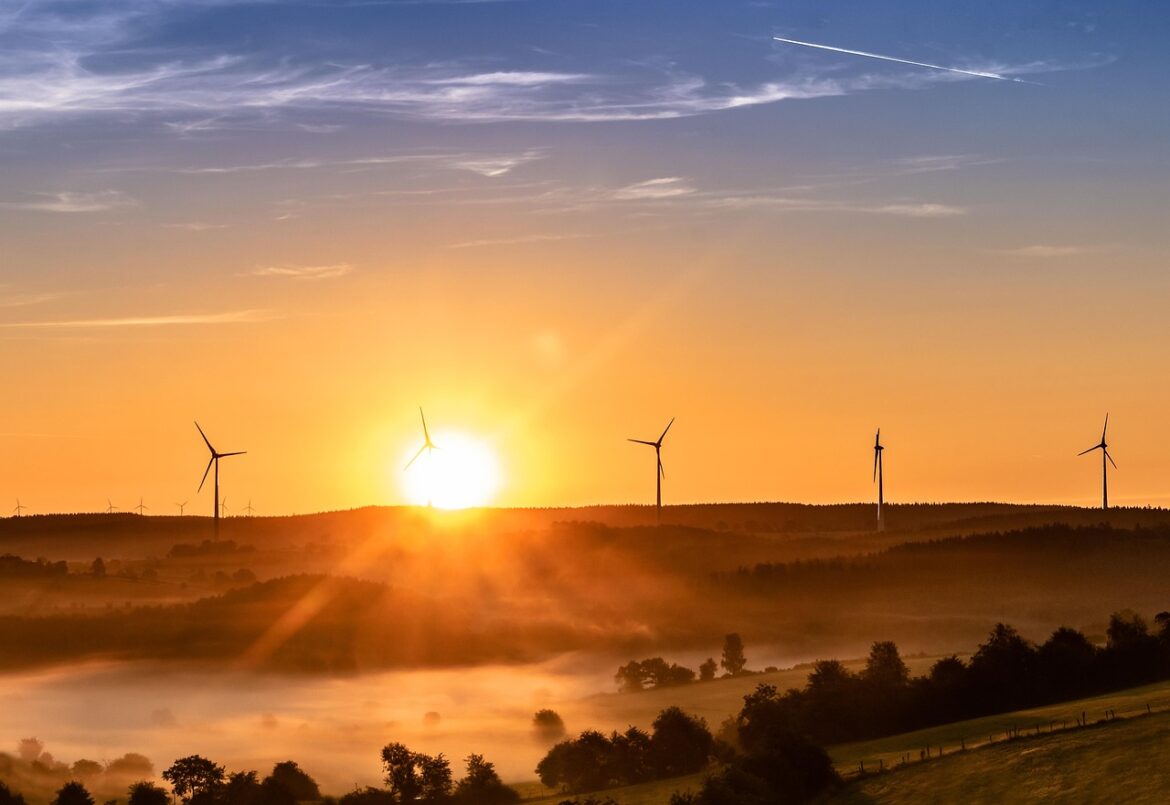
Ten European countries recently pledged €9.5 billion toward 100 gigawatts of offshore wind by 2050. That’s enough electricity for roughly 143 million homes. These aren’t small announcements—they’re countries saying they’re genuinely committing to leaving fossil fuels behind. The Hamburg Declaration represents what coordinated climate action looks like when nations actually work together.
The Unexpected Heroes
Perhaps most touching are the stories that seem too niche to matter—like animal behaviorists from Florida Zoo helping save an endangered white rhino’s eyesight in Africa by teaching the animal to voluntarily participate in its own medical care. Or the news that North Atlantic right whales, one of Earth’s rarest species, are having more babies this year than in recent seasons.
These stories remind us that environmental progress happens at every scale—from microscopic fungi to international agreements, from individual animals to entire industries.
Why This Matters Right Now
The common thread connecting all these stories is that they’re real and current. They’re not waiting for perfect solutions or government approval. People are already adapting vans to rails, harnessing sand for heat, securing funding for massive wind farms, and studying fungi. Television finally seems to be catching up to this reality—moving from
References:
- https://www.genevaenvironmentnetwork.org/resources/newsletter/environment-whats-up-in-geneva-16-22-february-2026/
- https://www.euronews.com/green/2026/02/19/carbon-sucking-fungi-and-forever-chemical-crackdowns-positive-environmental-stories-from-2
- https://www.euronews.com/green/2026/02/12/carbon-sucking-fungi-and-forever-chemical-crackdowns-positive-environmental-stories-from-2
- https://web.ecreee.org/fresh-field/blood-and-oil-tv-global-energy-drama-1771165781
- https://www.sciencedaily.com/news/earth_climate/environmental_issues/
- https://sustainabilitymag.com/news/kate-brandt-sustainability-leadership-at-google