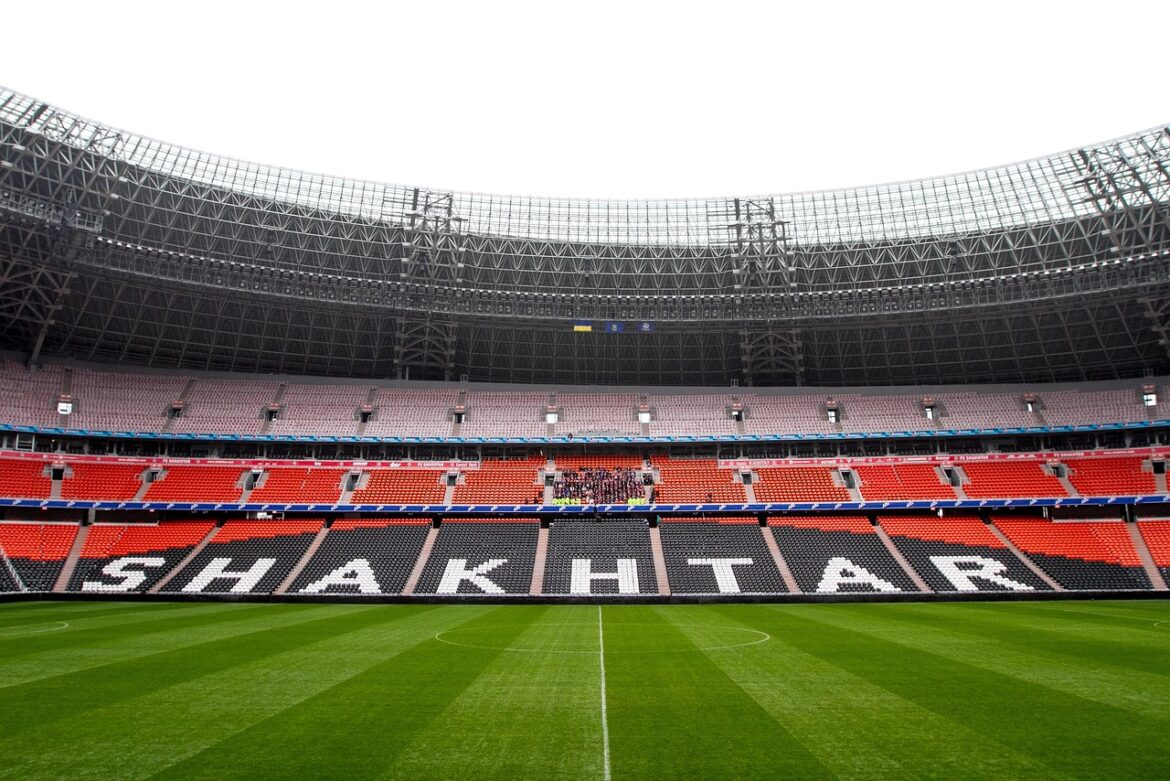
Why esports belongs in your next digital meeting
Walk into a modern esports arena and it feels less like a teenage hangout and more like a control room for the future of work.
Huge screens, real‑time dashboards, distributed teams, cloud infrastructure, virtual audiences, digital merch – it is basically a live demo of digital transformation with a scoreboard on top.
Here are a few of the most useful trends from esports that leaders and employees can borrow right now.
1. Esports leagues as a crash course in digital ecosystems
Think of a major esports league – for games like League of Legends or Valorant – as a digital platform company in disguise.
- The “product” (the game) is updated continuously, sometimes weekly.
- The “users” (players and fans) are global and always online.
- The “partners” include streamers, sponsors, betting platforms, merch makers and media outlets.
When Riot Games built the global League of Legends ecosystem, they did what many traditional firms still struggle with:
- moved operations to the cloud so tournaments can run smoothly from Seoul to São Paulo
- built data pipelines that feed match stats to broadcasters, mobile apps and social channels in seconds
- created digital revenue lines – skins, passes, virtual items – that can scale without opening a single new store
Takeaway for companies:
- Treat your business like a platform, not a product.
- Design every new digital tool so partners, not just internal teams, can plug into it.
- Think in “seasons”: test, patch, improve, repeat – instead of one big launch every few years.
2. Cloud gaming as a preview of the cloud workplace
Cloud gaming services – where heavy computing happens in the data center, not on the player’s device – are basically the same story as cloud productivity tools at work.
Esports teams embraced this early. Many pro squads now:
- train on cloud servers close to tournament locations to reduce lag
- review game tape and analytics hosted in shared cloud workspaces
- run scrims with teams on other continents as if they were in the next room<br This mirrors what high‑performing companies do with cloud‑based CRMs, design suites and ERP systems.
One CIO I interviewed summed it up simply: “If a teenager can play a flawless match with nine people in three countries, our sales teams should be able to share a spreadsheet without drama.”
Takeaway for companies:
- Use esports as a relatable metaphor when explaining cloud migration to employees.
- Emphasize the benefit everyone understands from gaming: low friction and no waiting around for updates.
3. Data‑driven coaching: from team house to office floor
Behind every star player is a small army of analysts and coaches who live in spreadsheets and replay tools.
In leading esports organizations:
- Every scrim is recorded and tagged – positioning, timing, decisions, communication.
- Coaches turn that into simple metrics: vision score, objective control, fight win rate, reaction time.
- Players get clear, visual feedback instead of vague comments like “play safer.”
Companies are trying to do the same with sales calls, customer chats and even factory operations – but often bury people in dashboards they never check.
Esports offers a friendlier model:
- keep metrics few and focused
- pair numbers with video or concrete examples
- translate data into one or two specific “plays” to practice next week
Takeaway for companies:
- Design performance reviews more like vod reviews: show, don’t just tell.
- Give teams a small, game‑like set of KPIs they can try to “beat” together, rather than a long list of abstract targets.
4. Remote teamwork that actually feels like a team
Many esports teams became experts in remote collaboration long before hybrid work was fashionable.
It is common to see:
- players living in different cities but practicing daily
- coaches calling in from other countries
- support staff (analysts, content creators, social media) scattered across time zones
What holds it together is not fancy technology alone, but rituals:
- fixed scrim blocks every day
- short pre‑match huddles
- structured debriefs immediately after games
- shared playbooks everyone can edit
Corporate teams with Slack, Teams or Zoom often skip the ritual part – then wonder why digital tools feel cold and exhausting.
Takeaway for companies:
- Treat your recurring digital meetings like scrims: same time, clear objective, quick review.
- Use shared documents as “team playbooks” rather than just file dumps.
5. Fan experience as a masterclass in customer engagement
Esports tournaments are laboratories for digital customer experience.
In a typical big event you will see:
- fans watching live streams with three or four data overlays of their choice
- prediction games and polls embedded right into the broadcast
- digital loot and rewards dropped into viewers accounts during key moments
- social media content created in real time from match highlights
This is omnichannel engagement in its purest form – and fans are brutally honest about what works.
Retailers, banks and even public services can steal pages from this playbook:
- let customers personalize what they see on screens and dashboards
- reward participation, not just purchases
- treat social channels as “live commentary” to your main product, not a side project
Takeaway for companies:
- Ask “If this were a match broadcast, how would we keep people watching?” when designing apps, portals or events.
Turning play into a serious strategy tool
You do not need to be a gamer to learn from esports.
For executives, esports is a living case study in how to:
- move fast without breaking trust
- align global teams around shared digital tools
- turn data into coaching instead of punishment
- keep customers engaged in a world full of distractions
For employees, it is a reminder that digital transformation is not about more tools – it is about better plays:
- clearer roles
- faster feedback
- more experiments
- and a shared scoreboard everyone understands.
If leaders can explain their next transformation project with the same clarity as a game plan before a final, they are already halfway to winning their own version of the championship.
References: