Why design headlines suddenly feel close to home
Open your social feeds lately and you will notice something: design news is no longer just about glossy show homes. It is about rent, wellness, climate stress, even how our grandparents decorated. In other words, design has moved from the style pages to everyday life.
Here are four real world stories making waves in the design world right now – and what they mean for homes, workplaces, and city living.
1. The rise of the warm, lived in home
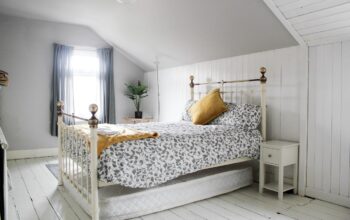
Instead of picture perfect rooms that look like hotel lobbies, 2026 home design is leaning into warmth, texture, and personality.
- Designers talk about homes that feel “soulful” and a little imperfect, with family photos, travel mementos, and handmade objects on display.
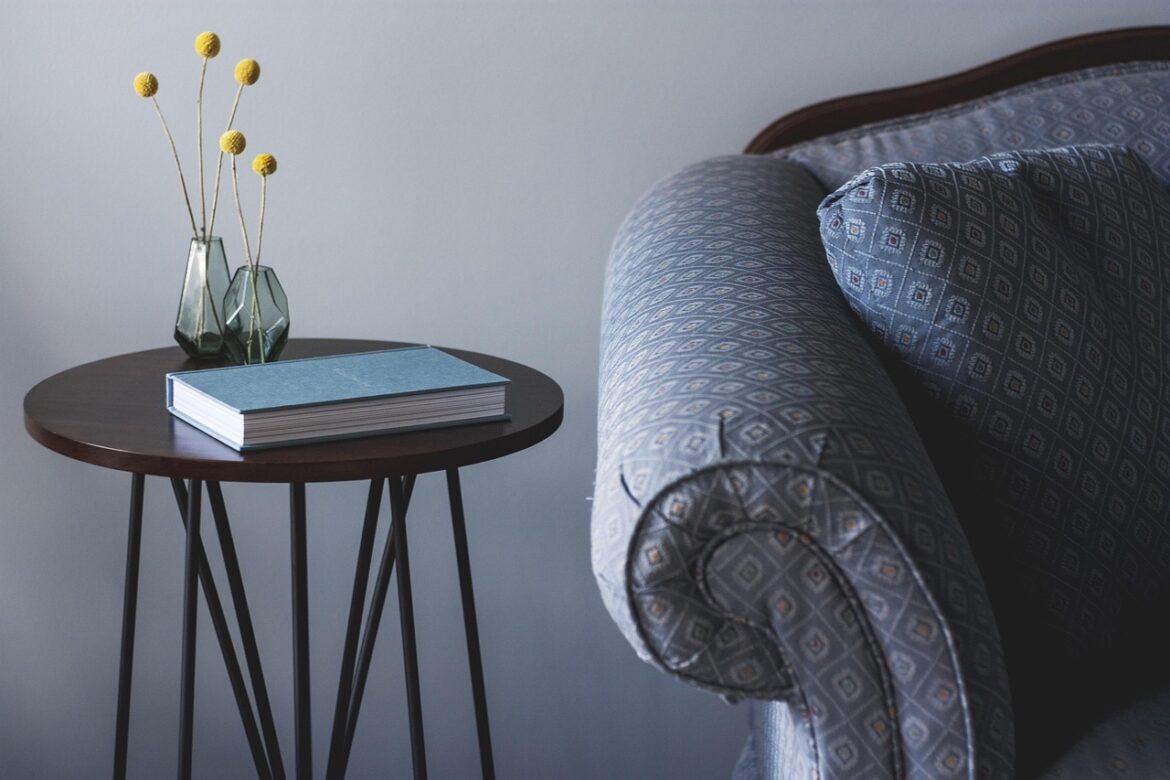
- Natural wood, mixed light and dark tones, and carved details are coming back, alongside layered textiles like quilts, woven wall art, and heavy linens.
- Even electric fireplaces are being treated as emotional centerpieces, used as much for atmosphere and togetherness as for heat.
For companies in furniture, home goods, or real estate, the message is clear: sell comfort and story, not just a clean aesthetic. People want spaces that feel like them, not like a catalog spread.
2. Multifamily housing grows up
Apartment design is quietly becoming a testing ground for big social issues: affordability, aging, and loneliness.
- Major architecture firms are predicting growth in co living and multigenerational housing, where young adults and older relatives share space but keep some independence.
- Outdoor plazas, walkable streets, and shared lounges are being designed like mini town squares to spark casual encounters and community.
- Wellness is moving from buzzword to building spec: think gyms plus meditation rooms, quiet work pods, and social programming baked into amenity plans.
For developers and city leaders, design is turning into a tool for retention. If buildings help residents feel healthier and more connected, they stick around longer – and talk about it online.
3. AI quietly joins the design team
Artificial intelligence is not just cranking out mood boards; it is starting to shape real buildings.
- Large firms are using data tools to study how people actually move through lobbies, corridors, and courtyards – then adjusting layouts before construction.
- AI models can flag bottlenecks, underused corners, or safety issues early, saving both time and money.
- Teams describe the goal as a “blend of digital and physical”: spaces that feel natural to use because they were prototyped using real behavior patterns, not just designer intuition.
For everyday users, you may never see the software – but you will feel it when wayfinding is intuitive and “dead” spaces almost disappear.
4. Americana nostalgia, updated
With a major US anniversary on the horizon, Americana inspired style is getting a thoughtful refresh rather than a cheesy flag wave.
- Eagle motifs, vintage needlepoint, and classic quilt patterns are reappearing in interiors, often sourced secondhand or from small makers.
- Designers are treating these pieces like storytelling tools: a quilt becomes both decor and a conversation about craft, history, and reuse.
- This ties neatly into sustainability, as more people hunt for pre loved textiles instead of buying new mass produced decor.
For brands, it is a reminder that heritage can be modern if it is honest. People respond less to slogans and more to objects with visible craftsmanship and real backstories.
What this all adds up to
Across these stories, a pattern emerges: design in 2026 is less about showing off and more about showing up – for comfort, community, and climate reality. Whether you are planning a product line, an office refresh, or a new residential project, the winning question is no longer “Does this look good on Instagram?” but “Will someone actually want to live their life here, every day?”
References:
- https://keyt.com/lifestyle/stacker-lifestyle/2026/01/07/home-design-trends-bringing-warmth-into-2026/
- https://www.multifamilydive.com/news/multifamily-housing-design-trends-gensler-2026/808611/
- https://washingtonian.com/2026/01/08/the-hottest-home-design-trends-of-2026/
- https://www.housebeautiful.com/uk/decorate/a69932480/interior-design-trends-designers-hate-and-love/
- https://www.countryliving.com/home-design/decorating-ideas/a69839224/americana-design-trends-2026/
- https://www.dezeen.com/2026/01/06/interior-design-trends-2026/
- https://www.uniquehomestays.com/live-unique/interior-inspiration/11705/interior-design-trends-for-2026-emerging-ideas-and-influences
- https://www.designnews.com