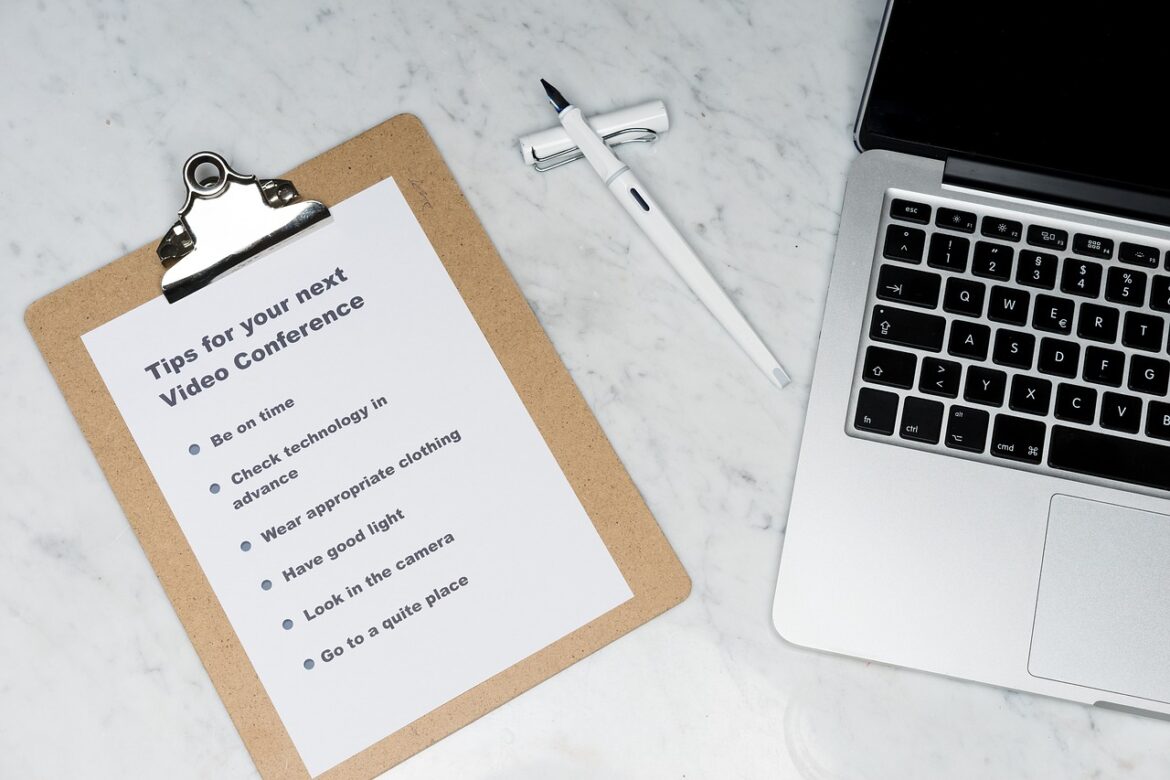
Hook: Walk into any modern office or open a remote calendar and you’ll spot the same theme: teams trying to move faster together without getting drowned in tools.
What’s trending now (short list)
- Smart video-conferencing systems — AI cameras and audio that follow speakers and clean up noise.
- Unified communication hubs — chat + calls + file previews in one place.
- Lightweight project planners with AI — one-click plans, smart forecasts and multiple views.
- Noise-cancelling headsets and webcams — physical gear that makes remote presence feel live.
- Content collaboration platforms — shared drives that lock down security while letting teams co-edit.
Why these matter — in real workplaces
- A design agency I spoke with swapped standalone webcams and a messy meeting room setup for an AI-driven conferencing appliance; meetings became 30% shorter because the device auto-framed speakers and transcribed action items, so people stopped repeating context.
Expert pick — vendor-led AI in rooms
- Analysts now point to vendors who bake AI into hardware and software as leaders in collaboration devices because they reduce friction between in-room and remote participants. Teams who invest there report smoother hybrid workshops where everyone can see and hear decisions clearly.
Everyday examples (concrete, not buzz):
- A sales team uses a unified comms app to share short demos, comment inline on a proposal, and jump into a video call — all without switching platforms. That cut their internal handoffs in half.
- A product manager swaps spreadsheets for a lightweight planner with Kanban, timeline and an AI forecast. The planner suggests workload shifts when deadlines look risky, avoiding last-minute overtime.
- A startup buys mid-range noise-cancelling headsets and better webcams for a dozen hires; meeting fatigue drops and async updates become cleaner because audio clips are intelligible.
How to choose — quick checklist
- Are your meetings mostly hybrid? Prioritize audio/video gear and room devices.
- Do your people live in chat and docs? Pick a unified hub that co-edits files and links to planners.
- Concerned about security? Choose content platforms with role-based permissions and link expiry.
- Short on budget? Start with good headsets/webcams and a single planning tool used by everyone.
Metaphor to remember: Think of collaboration tech as your team’s shared kitchen — you don’t need every gadget, but the right stove, fridge and a good knife (reliable video, secure file sharing, and a solid planning tool) let everyone cook together without chaos.
Final practical tip: Pilot one change for 6–8 weeks (a room device, a planner, or a unified app), measure time saved and user sentiment, then scale. Small, tangible wins beat sweeping tool swaps that no one uses.
References:
- https://www.deel.com/blog/popular-it-products-every-team/
- https://www.webex.com/us/en/gp/omdia-universe-smart-video-conferencing-devices-2025.html
- https://thedigitalprojectmanager.com/tools/project-planning-tools/
- https://www.techtarget.com/searchcontentmanagement/feature/10-content-collaboration-platforms-for-the-enterprise
- https://thecmo.com/tools/ai-marketing-tools/
- https://mopinion.com/business-intelligence-bi-tools-overview/
- https://productive.io/blog/project-management-tools-and-techniques/
- https://snaphunt.com/resources/remote-work/the-ultimate-2025-guide-to-global-remote-work-trends-and-tools
- https://katalon.com/resources-center/blog/ci-cd-tools