The Mental Health Revolution Is Here—And It’s Personal
Imagine walking into a therapist’s office and instead of receiving the same treatment as hundreds of other patients, your doctor uses your unique genetic profile and medical history to craft a plan specifically designed for you. This isn’t science fiction anymore—it’s happening right now in clinics across America.
1. Precision Psychiatry: Treatment Tailored Just for You
For decades, mental health treatment followed a one-size-fits-all playbook. Your friend took one antidepressant that worked wonders, so your doctor prescribed the same thing. But what works for them might leave you feeling worse. That’s changing dramatically.
Precision psychiatry uses your genetic information and biomarker data (think blood tests that measure brain chemistry) to predict which treatments will actually work for your brain. It’s like finally having a personalized instruction manual instead of guessing in the dark. For people who’ve tried multiple medications and therapies without success, this approach offers real hope. Your doctor can now see what worked for you in the past—even treatments you tried decades ago in different countries—and build on that knowledge.
2. Apps You Can Trust: Therapy in Your Pajamas
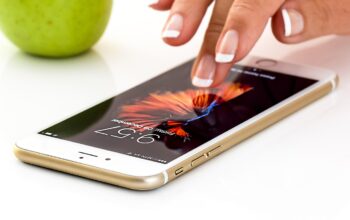
Mental health apps used to feel like a band-aid on a broken arm. Now, regulated app-based treatments with structured therapeutic programs are backed by real-world evidence and approved by clinicians. You can work through anxiety or depression from home, on your schedule, with programs that actually have clinical validation behind them. No more wondering if you’re wasting your time.
3. AI as Your Early Warning System
Artificial intelligence is stepping in as a tireless spotter for warning signs. AI systems can scan through your screening data and clinical records to catch early indicators of depression, anxiety, or other conditions before they spiral. Think of it as having a vigilant health guardian that never sleeps, flagging problems your doctor might miss in a busy schedule.
4. Smarter Brain Stimulation with Fewer Side Effects
For people whose brains need a different kind of help, advanced neuromodulation technologies offer brain stimulation treatments that actually work—without the heavy side effects that older devices caused. It’s like replacing a sledgehammer with a precision scalpel.
5. The Power of Real Connection in a Digital World
Here’s the plot twist: while all this technology matters, experts are sounding an alarm. The most effective mental health strategies combine these innovations with something decidedly low-tech: actual human connection. Spending time with supportive people, peer support groups, and culturally competent care aren’t nice-to-haves—they’re essential.
The Bottom Line
The trends of 2026 show us that the future of mental health isn’t either-or. It’s not “technology versus human connection” or “innovation versus tradition.” Instead, the winning approach combines the precision of personalized medicine, the convenience of digital tools, and the irreplaceable warmth of genuine human support. Whether you’re struggling with depression, anxiety, or just the everyday stress of modern life, the good news is clear: better help is here, and it’s getting smarter every day.
References:
- https://themindsjournal.com/news/mental-health-advances-bring-new-hope-for/
- https://kentuckycounselingcenter.com/a-fresh-start-the-most-important-mental-health-resolutions-for-2026/
- https://www.morningstar.com/news/pr-newswire/20260316ln10939/jed-issues-2026-alert-on-technology-policy-and-economic-trends-affecting-youth-mental-health
- https://behavioralhealthnews.org
- https://www.nami.org/research/publications-reports/survey-reports/2026-nami-ipsos-workplace-mental-health-poll/