If you thought engineering was all about blueprints and hard hats, think again. The field is buzzing with real-world changes that are reshaping how we build, power, and connect our world. From massive data centers to smarter underground pipes and greener buildings, here’s a look at the top engineering trends making headlines in 2025.
Data Centers: The AI Powerhouses
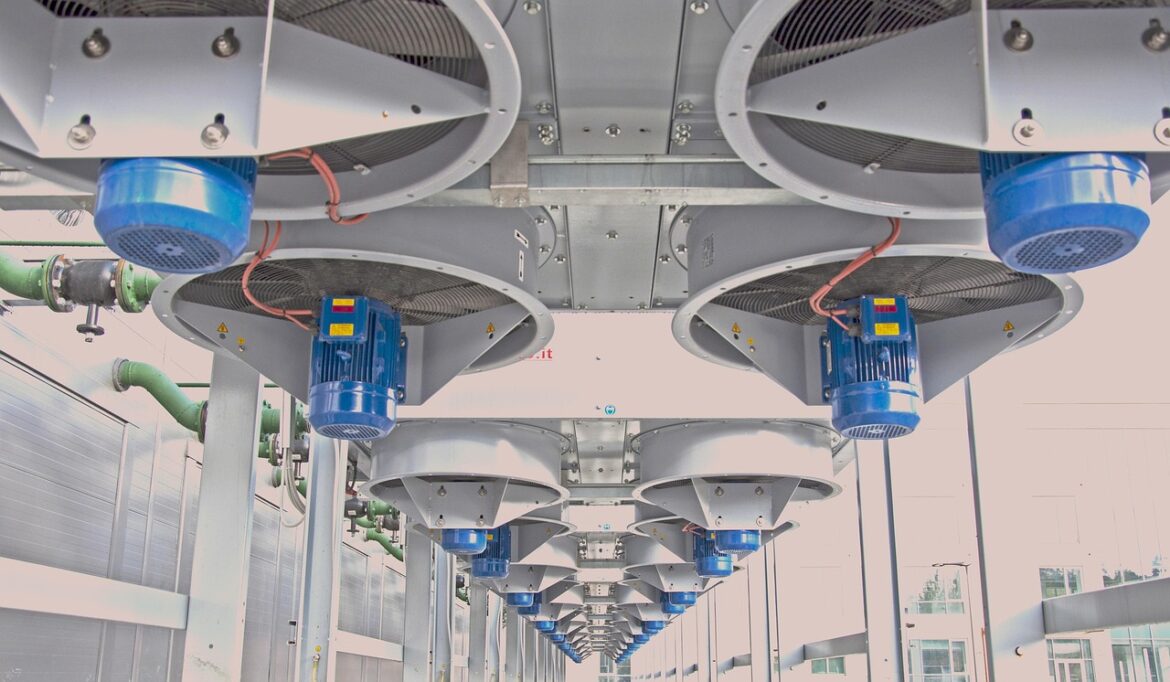
Imagine a warehouse-sized room filled with blinking computers, humming away to power your favorite apps and AI tools. That’s a data center, and they’re exploding in demand. Thanks to artificial intelligence, the power needs of these centers are skyrocketing. By 2035, AI-driven data centers could use as much power as a small country. Big names like Amazon, Microsoft, Google, and Meta are leading the charge, not just building more centers but also pushing for greener solutions. For example, many are switching to closed-loop cooling systems that use little water and are easier to maintain. As Thom Jackson, a mechanical engineer, puts it, “Most data centers now use systems that need almost no water and hardly any upkeep.”
Trenchless Tech: Building Underground, Without the Mess
Ever wonder how cities upgrade their sewers and pipes without digging up entire streets? That’s trenchless engineering. This year, the top firms in this space, like Jacobs and CDM Smith, are reporting record revenues—over $2 billion combined. Why? Because cities want less disruption and more efficiency. “Clients want longer pipe drives and fewer manholes, which means engineers have to get creative,” says Andrew Finney, a trenchless expert at Jacobs. The trend is also helping with data center projects, where water infrastructure is key. Trenchless methods are now being used to install cooling pipes and other essentials, making construction faster and cleaner.
Green Buildings: Designing for a Sustainable Future
Green buildings are no longer a niche. In 2025, firms like AECOM and Gensler are leading the way, designing structures that use less energy and produce less waste. These buildings aren’t just about solar panels and recycled materials—they’re about smart design from the ground up. The result? More comfortable spaces, lower bills, and a smaller carbon footprint. As cities face climate challenges, green engineering is becoming a must-have, not a nice-to-have.
Aerospace and Defense: Engineering for the Sky and Beyond
Quest Global, a major engineering services company, is making waves in aerospace and defense. They’re using advanced tech like AI, IoT, and digital twins to help clients innovate faster. From designing aircraft engines to maintaining military equipment, their work is all about reliability and speed. “Quest Global’s focus on digital engineering is driving real change in the industry,” says Swadhin Pradhan, an analyst. Their recent acquisitions and new divisions are helping them tackle everything from space exploration to advanced air mobility.
Generative AI: The New Engineering Tool
Fujitsu, a Japanese tech giant, is being recognized for its work in generative AI engineering. This isn’t just about chatbots—it’s about using AI to design better products, optimize manufacturing, and solve complex problems. Fujitsu’s approach combines trustworthy AI with deep industry knowledge, making it a go-to for companies looking to transform their operations. “Our AI solutions are helping customers accelerate their transformation,” says Vivek Mahajan, Fujitsu’s CTO.
Engineering in 2025 is all about innovation, sustainability, and smart solutions. Whether it’s powering AI, building greener cities, or exploring new frontiers, engineers are at the heart of it all.
References:
- https://www.acec.org/news/last-word-blog/post/the-data-center-boom-five-trends-engineering-firms-need-to-know/
- https://trenchlesstechnology.com/2025-top-50-trenchless-engineering-firms-in-north-america-survey-results/
- https://www.prnewswire.com/news-releases/quest-global-recognized-as-a-leader-in-isg-provider-lens-2025-report-for-aerospace-and-defense-services-and-solutions-302623088.html
- https://www.engineering.com/category/industry/industry-news/
- https://global.fujitsu/en-global/pr/news/2025/11/19-01
- https://www.designnews.com
- https://www.enr.com/toplists/2025-Top-100-Green-Buildings-Design-Firms-Preview
- https://www.youtube.com/watch?v=m3uvwnDZgsE