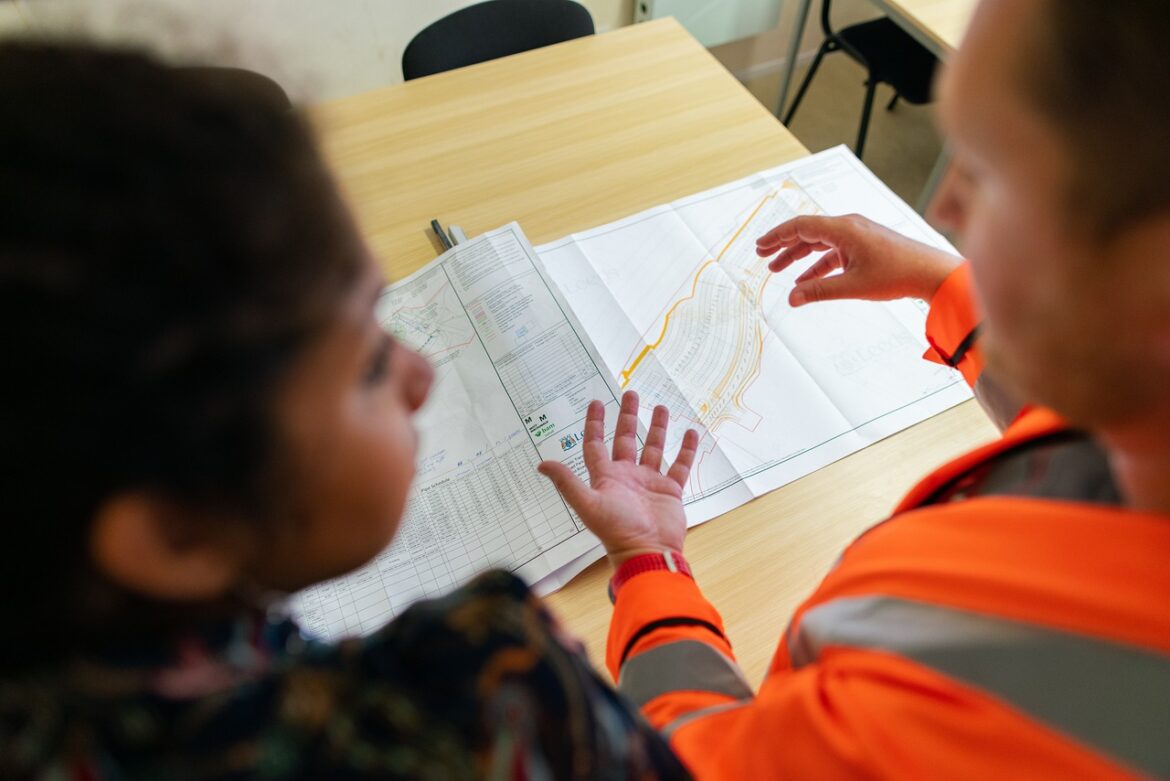
In today’s fast-paced world of engineering, innovation is key to staying ahead. From software development to civil engineering, new tools are constantly emerging to improve efficiency, accuracy, and collaboration. Here are five trending tools that are changing the game in engineering this year.
1. AI-Augmented Testing Tools (Quality Engineering)
Artificial intelligence is revolutionizing the way we test software. AI-augmented testing tools are becoming increasingly popular for their ability to automate testing processes, reduce manual labor, and enhance the overall quality of software. These tools use machine learning to identify, test, and resolve issues faster and more effectively than traditional methods. For example, they can analyze test data, predict potential failures, and even generate test cases automatically.
Imagine being able to test your software with the speed and accuracy of a supercomputer, all while focusing on the creative aspects of development. This is exactly what AI-augmented testing tools offer, making them a must-have for any software engineering team looking to deliver high-quality products quickly and reliably.
Key Benefits:
- Speed and Efficiency: Tests are completed much faster, allowing for quicker feedback and iterations.
- Accuracy: AI can identify patterns and anomalies that human testers might miss, ensuring more reliable software.
- Automation: Less manual work means developers can focus on coding and innovation rather than testing.
2. Datadog (Cloud Monitoring & Observability)
When it comes to managing cloud infrastructure, visibility is everything. Datadog is a powerful tool that provides a unified view of your cloud environment, allowing you to monitor performance, detect anomalies, and optimize system reliability across cloud, on-prem, and hybrid environments. It integrates seamlessly with major cloud providers like AWS, Azure, and GCP, ensuring that your applications run smoothly and securely.
Think of Datadog as your 24/7 security guard for your cloud infrastructure. It keeps an eye on everything, from metrics and logs to security signals, and alerts you if anything goes wrong. This proactive approach helps prevent downtime and ensures that your applications are always available to your users.
Key Features:
- Unified Observability: Real-time metrics, logs, and security data in one platform.
- Custom Dashboards: Personalized views to monitor what matters most to your team.
- Anomaly Detection: Identify unusual patterns before they become major issues.
3. SAP2000 (Civil Engineering Design)
In the world of civil engineering, precision is paramount. SAP2000 is a software tool that helps engineers model, analyze, and design complex structures like bridges and buildings. It’s known for its intuitive interface, making it accessible to both new and experienced engineers. With SAP2000, you can simulate real-world conditions to ensure your designs are safe and efficient before breaking ground.
Imagine designing a skyscraper without the need for physical prototypes. SAP2000 allows civil engineers to create detailed models, test them under various conditions, and refine their designs until they’re perfect. This significantly reduces the risk of failures during construction and ensures that the final structure is both aesthetically pleasing and structurally sound.
Key Features:
- Structural Analysis: Simulate how your design will perform under different loads and conditions.
- Design Optimization: Use data to refine your designs for better performance and safety.
- Ease of Use: Accessible to engineers of all experience levels, making it easier to collaborate on projects.
4. Generative AI for Data Engineering (AI Tools)
Data engineering is getting a boost from generative AI. These tools can automate tasks like data cleaning and analytics, allowing data engineers to focus on higher-level tasks. Generative AI can predict trends, identify patterns, and even generate data models, making it easier to manage complex data sets and make informed decisions.
Picture this: instead of spending hours manually cleaning and processing data, you can let AI do it for you. This not only speeds up your workflow but also reduces errors, giving you more accurate insights into your data. Organizations are using these tools to predict market trends and make data-driven decisions faster than ever before.
Key Benefits:
- Efficiency: Automate repetitive tasks to focus on strategic decision-making.
- Accuracy: AI can identify patterns and anomalies that might be missed by humans.
- Collaboration: Provides centralized data access, allowing teams to work together more effectively.
5. New Relic (Full-Stack Observability)
For software development teams, understanding how applications perform is crucial. New Relic offers full-stack observability, providing real-time visibility into application performance across all layers, from frontend to backend. It helps teams detect issues quickly, debug faster, and optimize their systems for better user experience.
Think of New Relic as having a superpower that lets you see inside your application’s inner workings. It gives you real-time metrics, traces, and logs, allowing you to pinpoint problems and fix them before users even notice. This proactive approach ensures that your applications are always running smoothly and meeting user expectations.
Key Features:
- Unified View: Real-time data across applications, infrastructure, and user experience.
- AI-Driven Anomaly Detection: Proactive alerts to prevent issues before they escalate.
- Customizable Dashboards: Tailor your view to focus on what matters most to your team.
These tools are not just about advancing technology; they’re about empowering engineers to do what they do best—innovate, collaborate, and build better solutions. Whether you’re working on software, infrastructure, or data, there’s a tool out there that can help you achieve your goals more efficiently and effectively than ever before.
References:
- https://qa-financial.com/partner_content/7-transformative-trends-driving-quality-engineering-and-testing-in-2025-and-beyond/
- https://lakefs.io/blog/the-state-of-data-ai-engineering-2025/
- https://www.nops.io/blog/cloud-automation-tools/
- https://www.thelasallenetwork.com/top-7-contract-engineering-roles-in-demand-for-2025/
- https://vision-constructors.com/civil-engineering/top-civil-engineer-skills-software-2025/
- https://en.wikipedia.org/wiki/Applications_of_artificial_intelligence
- https://www.youtube.com/watch?v=98nLoFh923I
- https://www.onemodel.co/blog