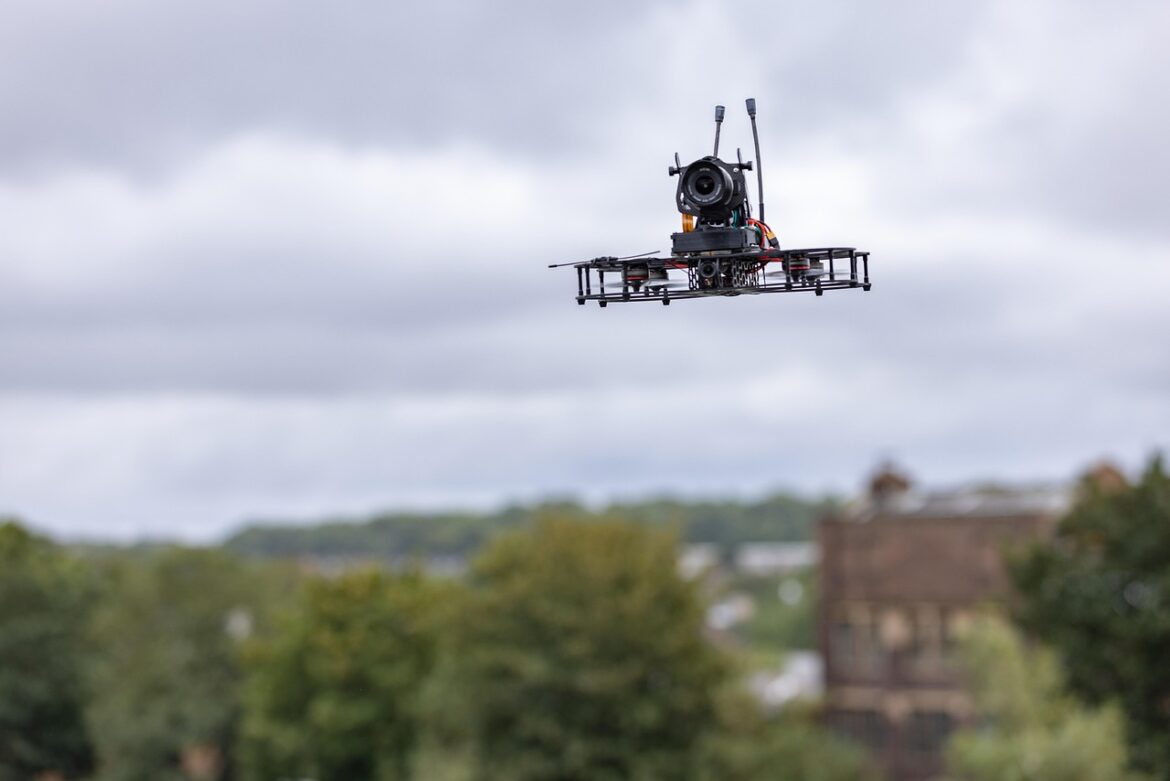
Weather is no longer just something we watch from the sidelines. Engineers and scientists are stepping in, using cutting-edge technology to predict, manage, and even change the weather. Whether it’s drones flying through city skies, satellites dodging radio noise, or giant wind chambers testing building strength, the world of weather engineering is heating up.
Drones That Predict Your Neighborhood’s Weather
Imagine knowing exactly how hot your block will get on a summer day, or how strong the wind will blow in your backyard during a storm. That’s the goal of a new project at the University of Kentucky. Researchers are developing a system that uses fleets of small, autonomous drones to collect super-fine weather data. These drones will fly through neighborhoods, gathering information on temperature, wind, and air quality at a level of detail never seen before. The data will feed into advanced computer models, which use machine learning to predict hyperlocal weather extremes. This could help emergency responders, city planners, and even regular folks make smarter decisions when storms hit or heatwaves roll in.
Weather Modification: Can We Make It Rain?
In Colorado and Utah, engineers are testing a new kind of weather modification technology. Using ionization systems, they hope to boost rainfall in drought-stricken areas. The idea is simple: send electrical charges into the atmosphere to encourage clouds to form and rain to fall. Early trials suggest these systems could increase rainfall by 15 to 18 percent. Both states are eager to try anything that might help with their ongoing water shortages. But it’s not just about making it rain. The technology is part of a broader push to manage water resources in a changing climate, and state agencies are closely monitoring the results.
Building Storm-Proof Cities
At Western University in Canada, engineers are building cities that can withstand the worst weather. Using a massive wind chamber called the WindEEE Dome, researchers simulate tornadoes, hurricanes, and other extreme storms. The dome has 106 fans that can recreate almost any weather scenario, letting engineers test how buildings and infrastructure hold up. The goal is to develop better building codes and safer materials, so cities can survive the increasing number of severe storms caused by climate change. This kind of research is becoming more important as extreme weather events become more frequent and more intense.
Satellites That Dodge Radio Noise
Weather satellites are crucial for tracking storms and monitoring climate change. But there’s a problem: radio frequency interference from wireless devices can mess up their measurements. At the University at Albany, researchers are working on algorithms that can detect and correct for this interference. The goal is to make sure satellite data is as accurate as possible, so we can trust the forecasts and climate models that rely on it. This work is especially important as new generations of satellites are launched, and as wireless technology becomes more widespread.
The Big Picture: Climate Models That See More
Finally, engineers and climate scientists are building the most detailed climate models ever created. These models simulate the entire Earth system at a resolution of just one kilometer, capturing everything from ocean currents to wind patterns in unprecedented detail. The result is a much clearer picture of how climate change will affect different regions. For example, these models show that places like the Gulf Coast and coastal California could see far more extreme rainfall than previously thought. The models are so promising that major research centers are now prioritizing high-resolution simulations to better understand and prepare for the future.
Weather engineering is no longer science fiction. From drones and satellites to wind chambers and climate models, engineers are using technology to help us predict, manage, and adapt to the changing weather. The stakes are high, but the potential is huge.
References:
- https://www.science.org/content/article/high-resolution-climate-model-forecasts-wet-turbulent-future
- https://www.western-water.com/2025/11/20/ionization-weather-modification-tech-expands-in-colorado-and-utah/
- https://uknow.uky.edu/research/uk-researchers-developing-neighborhood-level-weather-technology
- https://news.westernu.ca/2025/11/strengthening-storm-resilience/
- https://www.albany.edu/news-center/news/2025-ualbany-researcher-developing-radio-frequency-interference-solutions-us
- https://www.eurekalert.org/news-releases/1107033
- https://undark.org/2025/11/17/geoengineering-scrutiny-utah/
- https://www.politico.com/news/magazine/2025/11/21/stardust-geoengineering-janos-pasztor-regulations-00646414
- https://library.noaa.gov/friendly.php?s=weather-climate%2Fweather-modification-project-reports