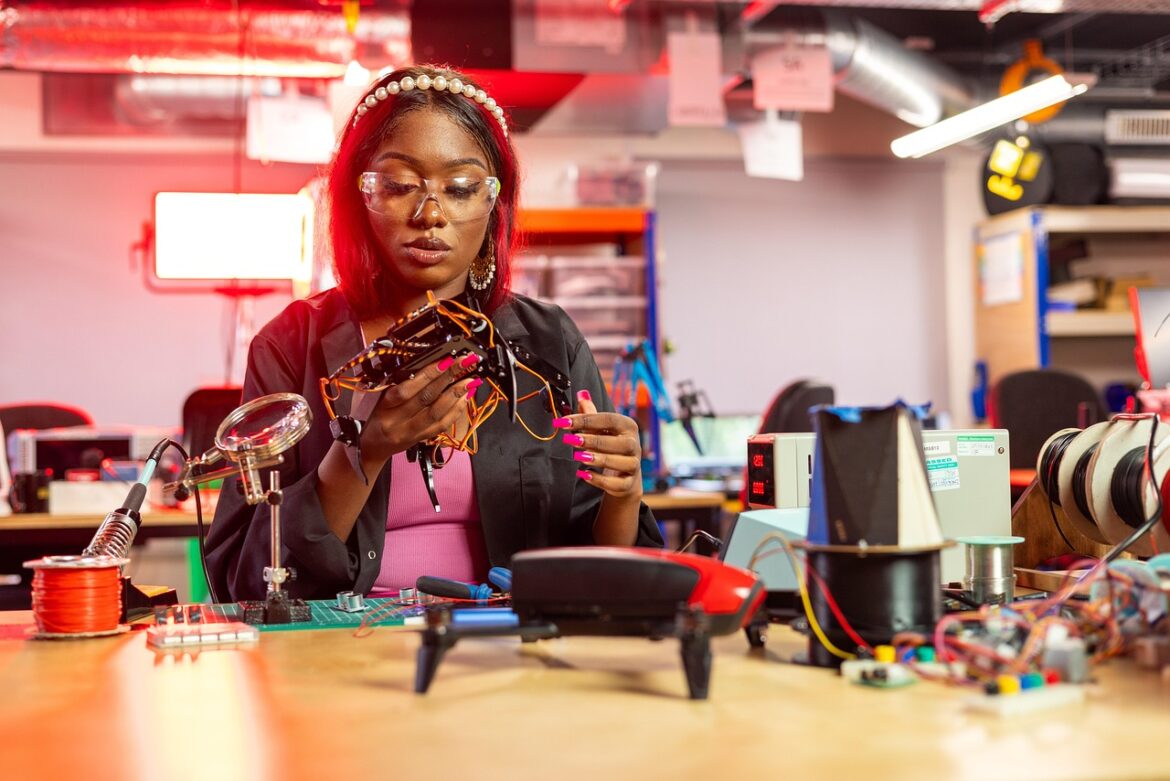
Climate change isn’t just a topic for scientists and politicians anymore—engineers are now at the front lines, rolling up their sleeves to build practical solutions that can make a real difference. Whether it’s designing batteries that work in extreme weather or helping universities prepare for the next big storm, engineering is stepping into the spotlight as a key player in the climate fight.
Batteries That Don’t Quit in the Heat or Cold
Imagine a battery that keeps working whether you’re in the freezing Arctic or the scorching Sahara. That’s exactly what researchers at Penn State are aiming for. Their new all-climate battery (ACB) design could be a game-changer for everything from electric vehicles to data centers. Right now, most lithium batteries struggle when it gets too hot or too cold, forcing companies to add extra cooling or heating systems. But the Penn State team has built a battery that manages its own temperature, making it lighter, cheaper, and more reliable. This means electric cars could run smoothly in Alaska winters, and data centers in the Middle East could save on energy costs. The team says their battery could work in temperatures as low as -50°C and as high as 75°C, opening up new possibilities for technology in harsh environments.
Helping Campuses Prepare for Climate Shocks
Meanwhile, engineering giant Arcadis is teaming up with Jupiter Intelligence to help universities and other organizations prepare for climate risks. They’re using advanced climate data and engineering know-how to assess how vulnerable buildings and infrastructure are to extreme weather. For example, they’re working with the State University of New York (SUNY) to evaluate climate risks across 64 campuses. This isn’t just about predicting storms—it’s about making smart decisions on where to invest in upgrades, how to protect students and staff, and how to keep the lights on when disaster strikes. The partnership is also developing new tools that show the cost and benefits of different resilience strategies, helping leaders choose the best options for their communities.
Smarter Energy, Smarter Buildings
At the University of Wollongong, engineers are rethinking how buildings are designed to be more climate-friendly. They’re focusing on energy efficiency, indoor air quality, and reducing the carbon footprint of construction materials. The goal is to create buildings that not only use less energy but also provide healthier spaces for people. This kind of work is becoming more important as cities grow and climate pressures increase.
The Big Picture
These stories show that engineering isn’t just about gadgets and machines—it’s about solving real problems that affect people’s lives. From batteries that work anywhere to campuses that can withstand climate shocks, engineers are proving that innovation can help us adapt to a changing world. As climate challenges grow, these practical solutions will be more important than ever.
References:
- https://geneticliteracyproject.org/2025/11/11/with-global-temperatures-rising-its-time-to-take-a-fresh-look-at-geoengineering-is-it-feasible-and-affordable/
- https://www.arcadis.com/en/news/global/2025/11/arcadis-and-jupiter-intelligence-partner-to-accelerate-global-climate-resilience-solutions
- https://cen.acs.org/policy/COP30-begins-countries-face-hard/103/web/2025/11
- https://www.psu.edu/news/engineering/story/proposed-all-climate-battery-design-could-unlock-stability-extreme-temps
- https://www.oedigital.com/news/532318-iea-s-bullish-oil-scenario-a-wake-up-call-for-climate-action
- https://news.cornell.edu/stories/2025/11/roadmap-shows-environmental-impact-ai-data-center-boom
- https://www.climate.columbia.edu/news
- https://www.uow.edu.au/newsroom/news/2025/climate-optimised-building-systems.php
- https://phys.org/news/2025-11-climate-intervention-protein-content-major.html