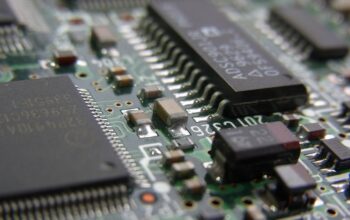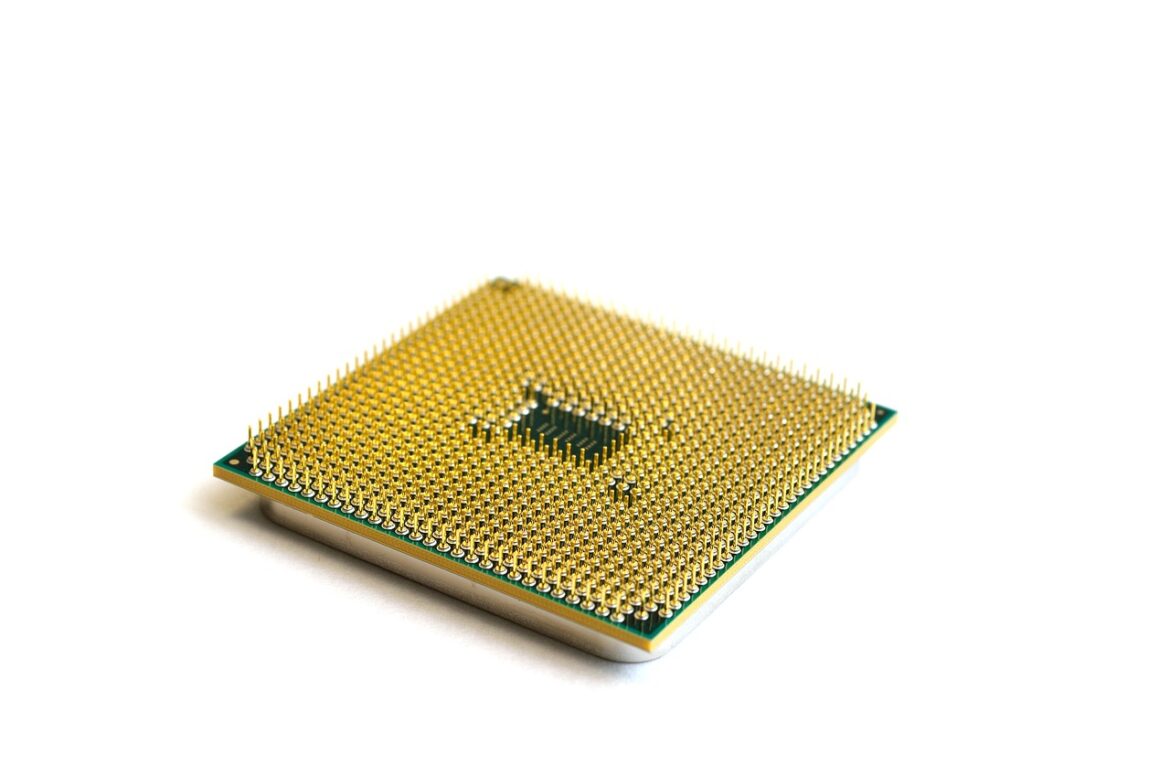
Imagine engineers wielding superpowers that predict failures before they happen, robots building skyscrapers safely, and chips designing themselves smarter. Welcome to 2026 engineering, where tech isn’t just tools—it’s the new blueprint for building the future.
1. Multiphysics Fusion: Simulating Reality Like Never Before
Picture this: You’re designing a next-gen chip, but heat, power glitches, and mechanical stress could fry it all. Synopsys and Ansys just dropped Ansys 2026 R1, blending AI, multiphysics simulation, and digital twins to test designs in a virtual world that mirrors reality. “We’re creating a unified fabric linking materials, physics, electronics, and software,” says Ravi Subramanian, Synopsys’ Chief Product Officer. Real story? Altera uses it for power-grid designs, slashing iterations and boosting reliability with machine-learning tweaks. Innomotics builds digital twins for motors, spotting hidden hotspots in real-time to keep machines humming safely. It’s like having a crystal ball for hardware, speeding teams from idea to production.
2. Edge AI: Intelligence on the Frontlines
Forget waiting for cloud servers—edge AI crunches data right where it’s born, like on factory floors or self-driving cars. In 2026, it’s exploding for split-second decisions. Think autonomous vehicles dodging potholes instantly or hospital devices alerting docs without lag. This cuts latency, amps privacy, and works offline. Companies like CoreWeave are building AI-optimized clouds to fuel it, proving 84% of orgs are all-in on cloud-AI mashups. It’s the difference between reacting to problems and preventing them, making machines smarter where it counts.
3. AI and Robotics in Construction: Building Smarter, Faster
Construction’s getting a massive upgrade. A whopping 91% of firms are pouring cash into industrial AI, robots, and automation to tackle labor shortages and delays. Robots handle risky high-rise work, AI predicts gear breakdowns, and real-time hazard detection saves lives. Modular prefabs slash waste, while IoT sensors in smart buildings track energy like a fitness app for structures. It’s not sci-fi—firms are reimagining ops, turning chaotic sites into efficient powerhouses.
4. Digital Twins: Virtual Clones for Real Wins
Digital twins aren’t new, but 2026 versions are turbocharged. They’re virtual replicas that run faster than real life, feeding data back to optimize everything from chips to power plants. Synopsys’ tech integrates them for resilient systems, letting engineers tweak without breaking a sweat. Like Innomotics’ motor twins monitoring unmeasurable temps, it’s practical magic cutting costs and risks.
5. Agentic AI: Autonomous Engineering Agents
Enter agentic AI—smart agents that don’t just assist; they act. In procurement and design, they scout suppliers, run bids, fix invoices, and even trigger projects based on data patterns. It’s like having a tireless team handling the grunt work, balancing cost, risk, and green goals. Gartner predicts multi-agent systems will entice enterprises, widening the gap between AI-savvy teams and laggards.
These trends interconnect: Edge AI powers digital twins, multiphysics feeds construction bots, and agents orchestrate it all. Engineers aren’t just building—they’re re-engineering how we innovate, one smart system at a time. The firms jumping in now? They’ll lead the pack.
References:
- https://www.prnewswire.com/news-releases/synopsys-launches-ansys-2026-r1-to-re-engineer-engineering-with-joint-solutions-and-ai-powered-products-302711215.html
- https://radixweb.com/blog/top-technology-trends
- https://track.com.tr/en/inovasyon-cagi-2026da-insaat-ve-muhendislik-sektorunu-yeniden-sekillendirecek-5-cigir-acan-trend/
- https://news.synopsys.com/2026-03-11-Synopsys-Outlines-Vision-for-Engineering-the-Future
- https://www.gep.com/blog/technology/latest-trends-engineer-resilience-modern-procurement-systems
- https://www.datafold.com/blog/data-engineering-in-2026-predictions/
- https://bestinventions.time.com
- https://thoughtminds.ai/blog/10-gartner-prediction-for-enterprise-ai-adoption-trends