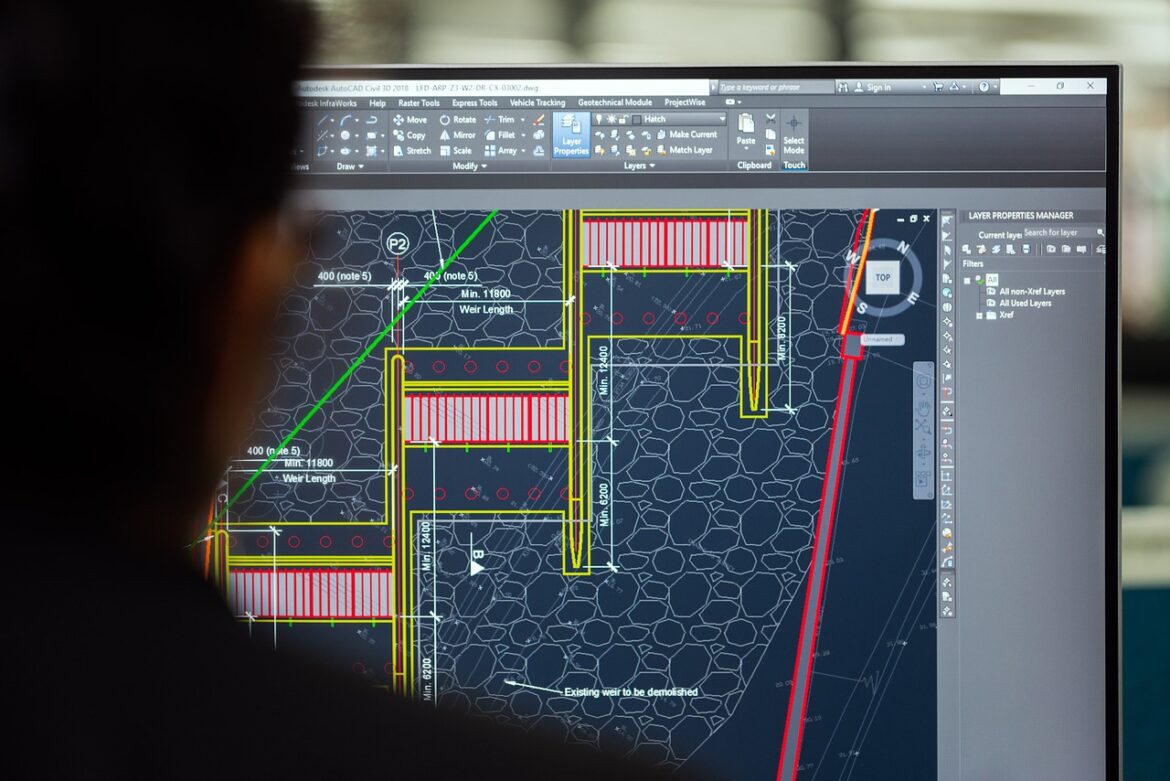
Imagine carrying a powerful workshop in your backpack — that’s the promise tablets are making for engineers in 2025.
Big Screens, Bigger Impact For engineers who need every detail crisp and clear, the Samsung Galaxy Tab S11 Ultra stands out. This device boasts a massive 14.6-inch Dynamic AMOLED screen wrapped in a design just 5.1mm thin, blending the delicate art of engineering with stunning tech. It’s like having an ultra-clear blueprint right in your hands, perfect for those precise drawings or complex 3D models on the go.
However, such sleek design carries a tale of trade-offs. While it’s remarkably light and bright, users have reported battery life not quite keeping pace with expectations, reminding us even stunning designs have their kryptonite.
Rugged Tablets: The Field Engineer’s Sidekick Out in the field, durability trumps all. Devices like the Panasonic Toughbook A3 and Getac UX10 are built like tanks yet smarter — boasting water and dustproof standards, drop resistance, and hot-swappable batteries. Think of them as the engineers’ battle armor against unpredictable job site challenges, ensuring data collection, scanning barcodes, or asset management never stalls.
These tablets convert complexity into simplicity with fast processors and bright displays over 1000 nits, meaning you’ll never squint under the sun trying to read a crucial plan.
Productivity and AI: Tablets as Your Intelligent Assistant Meanwhile, mid-sized tablets running Android 14 bring AI-powered tools to your fingertips — like Gemini AI 2.0 offering smart writing, voice assistance, and real-time translation. Imagine a mini personal assistant that not only holds your technical blueprints but helps you write reports, search data, and multitask with ease.
With 16GB RAM and storage options expandable up to 1TB, these tablets adapt to work and play, whether you’re tackling engineering problems, streaming tutorials, or collaborating on the next big project.
Windows Tablets: Bridging Desktop and Mobility Then there’s the Microsoft Surface Pro 11, bringing full Windows 11 capabilities powered by Qualcomm’s Snapdragon chips. It’s for those who want the flexibility of a laptop with the sleekness of a tablet—think CAD running as smoothly on your tablet as it does on your office PC.
Choosing Your Engineered Tablet
- Prioritize processors like Intel i5/i7 or Snapdragon for smooth multitasking.
- Opt for 8GB+ RAM and SSD storage for fast data handling.
- Consider rugged standards (MIL-STD-810G/H, IP65/IP67) if your work hits tough environments.
- Flexible OS choices between Windows for desktop-level apps and Android for mobile workflow.
In essence, these tablets are doing more than just keeping pace—they’re setting new standards for how engineering professionals tackle challenges daily. Whether it’s the polished and powerful screen of the Galaxy Tab S11 Ultra, the field-ready toughness of Panasonic’s Toughbook A3, or smart AI helpers running Android, 2025’s tablet landscape empowers engineers to work smarter, faster, and more connected than ever.
From campuses to construction sites, the future is tablet-shaped — packed with practical power, resilience, and intelligence ready to elevate the craft of engineering.
References:
- https://www.tomsguide.com/best-picks/best-tablet
- https://www.sinsmarts.com/blog/best-tablets-for-field-work-and-service-technicians/
- https://www.youtube.com/watch?v=IgzudWlq2FQ
- https://www.lenovo.com/my/en/knowledgebase/engineering-laptops-for-college-students/
- https://www.youtube.com/watch?v=MY3iWMePdIE
- https://www.sinsmarts.com/blog/discover-the-best-tablet-for-engineering-professionals/
- https://smart.dhgate.com/tabletguide-10-best-tablets-2021-budget-wise-picks-with-solid-choices/