Engineering Hacks Fighting Climate Chaos
Imagine a world where the exhaust from your car gets scooped up and turned back into fuel. Sounds like sci-fi? Not anymore. Engineers are rolling out real-world tricks that are tackling climate change one clever invention at a time. From sucking CO2 out of the air with a splash of water to harnessing the sun and wind like never before, these stories show how smart engineering is making a dent in our warming planet.
1. The Fusion Power Puzzle Piece
Fusion energy – think of it as the sun’s power recipe shrunk down to Earth size – could be our ticket to endless clean electricity. But here’s the catch: the super-hot plasmas inside fusion reactors zip around faster than a bullet train. Measuring them accurately has been a headache.
Researchers just cracked it with a hidden tech breakthrough. This new tool lets scientists peek inside those wild plasmas with pinpoint precision. Picture it like having X-ray vision for the heart of a star. Experts say this could finally unlock commercial fusion plants, pumping out zero-emission power without the meltdown risks of old nuclear setups. It’s like giving engineers the perfect map to tame a storm.
2. CO2 to Fuel: Cheaper and Faster
What if factories could eat their own pollution? A team cooked up a copper-magnesium-iron catalyst that zaps CO2 into carbon monoxide – a building block for clean fuels – at low temps. No more energy-guzzling processes.
This bad boy works with record efficiency and doesn’t quit after thousands of runs. Think of it as a magic wand waving over smokestacks, turning waste into jet fuel or gasoline that doesn’t add to climate woes. Real-world tests show it’s scalable, meaning we could see these in plants soon, cutting emissions while keeping the economy humming.
- Key win: Runs cool, saving big on energy bills.
- Real impact: Paves way for carbon-neutral synthetics.
3. Moisture Magic for CO2 Capture
Forget giant fans guzzling power to scrub CO2. Scientists at Arizona State University found a low-energy hack using moisture-swing polymers. These spongy materials soak up CO2 when dry and spit it out when wet – like a plant breathing in the bad air.
Doctoral whiz Gayathri Yogaganeshan dove into why some polymers rock this trick better. Turns out, it’s all about their inner structure: open layouts let CO2 rush in fast. One type, IRA-900, laps up the gas quicker than rivals. The goal? Materials tough enough for 100,000 wet-dry cycles, making direct air capture affordable for cities worldwide.
It’s practical gold – no heat needed, just humidity swings. Imagine rooftops dotted with these, quietly cleaning our skies.
4. AI Twins Supercharge Clean Energy
Building wind farms or solar arrays is like assembling a giant puzzle blindfolded. Enter AI-powered digital twins: virtual replicas of energy systems that predict and optimize everything from blade spin to panel tilt.
Engineers are using these brainy models for wind, solar, geothermal, hydro, and biomass setups. They simulate real-world chaos – storms, heatwaves – to make grids tougher. One project mimics entire farms, cutting build times and costs. Experts call it a game-changer for speeding up the shift from fossil fuels.
Conversational take: It’s your phone’s weather app on steroids, but for power plants. Countries racing to net-zero are snapping these up.
- Benefits: Faster designs, fewer surprises.
- Example: Optimizing a windy hillside for max juice.
5. Massive Wind Farms Take to the Seas
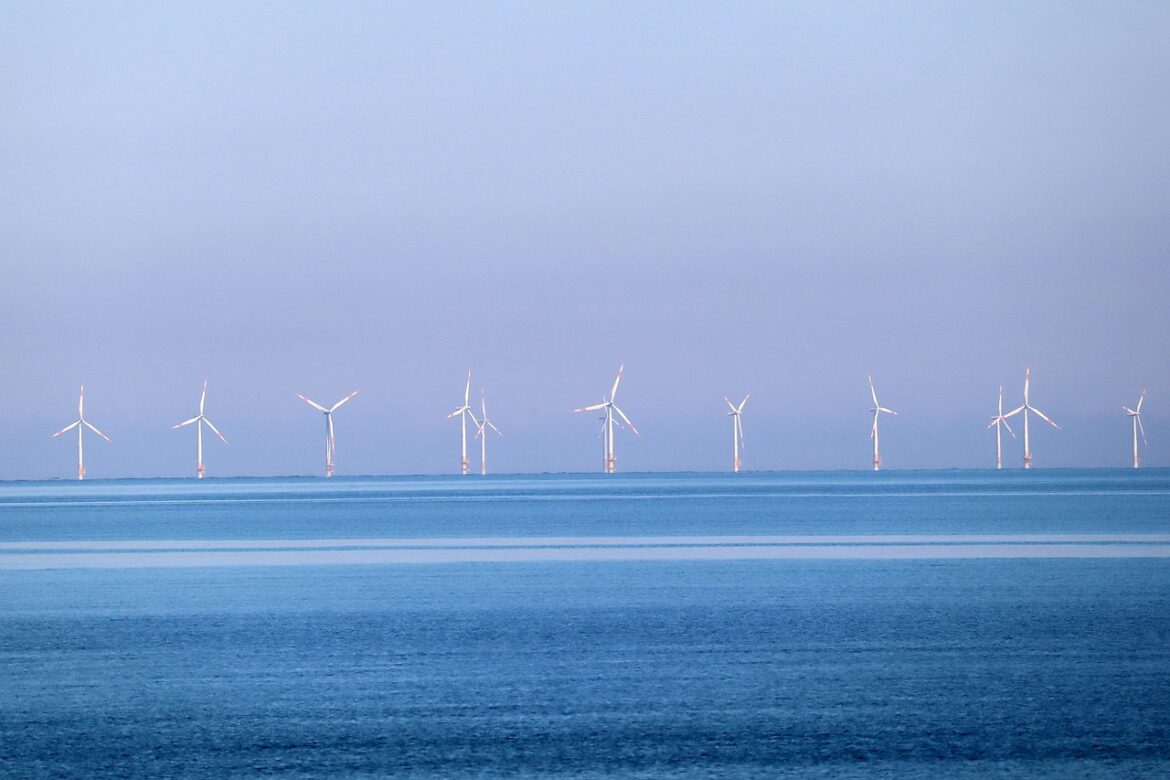
Offshore wind is blowing up – literally powering change. Taiwan’s kicking off an auction for 3.6 GW of new turbines, enough to light millions of homes. Meanwhile, RWE’s 900 MW Nordseecluster in Germany’s North Sea just got the green light.
These aren’t toys; they’re engineering marvels with blades longer than football fields, anchored in choppy waters. Transgrid in Australia is wiring up transmission lines to shuttle this clean power ashore. It’s hands-on proof that sea breezes can replace dirty coal, stabilizing grids against climate whiplash.
Picture vast oceans dotted with gentle giants, churning out green energy 24/7. These projects create jobs, slash emissions, and show scaling renewables is doable.
Why This Matters Now
These aren’t lab dreams – they’re hitting the ground running. From catalysts churning in test reactors to wind auctions drawing billion-dollar bids, engineering is the quiet hero in the climate fight. It’s like upgrading your toolbox from hammers to laser cutters.
Challenges remain: materials need to last, costs must drop, grids to catch up. But with experts like those at ASU and fusion labs pushing boundaries, we’re closer to a cooler planet. Everyday folks benefit too – cheaper power, cleaner air, resilient homes. Stay tuned; the next wave is building fast.
(Word count: 812)
References: