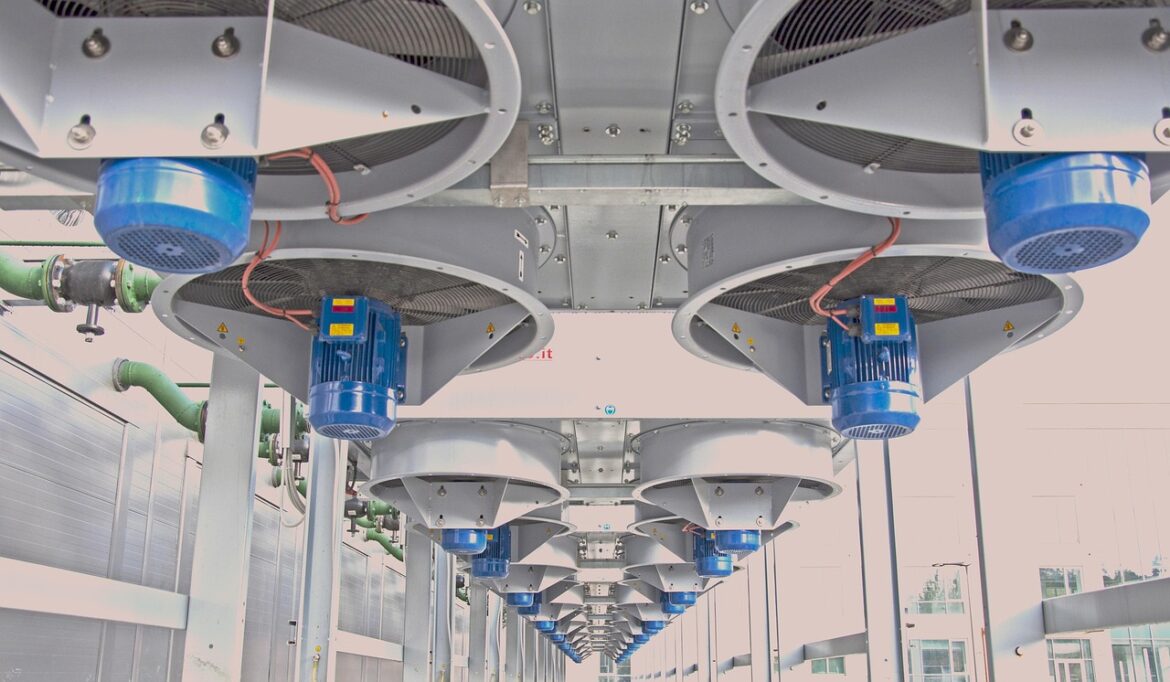
The Data Center Boom: Engineering at a Digital Frontier
Imagine a world where vast digital cities hum quietly behind the scenes, powering everything from your video calls to AI breakthroughs. That’s the skyrocketing rise of data centers, a sector exploding with innovation driven by relentless AI demand. From 2024 to 2035, AI-related power needs are expected to soar from 4 gigawatts to an astounding 123 gigawatts.
What does this mean for real estate engineering? It’s not just about building bigger—it’s about smarter and more tailored designs. We see a variety of data center types cropping up:
- Edge Data Centers: Small, local hubs that cut latency for 5G and IoT devices, bringing data speed & reliability closer to users.
- Hyperscale Facilities: Immense centers housing upwards of 100,000 servers; think of them as the skyscrapers of data.
- Modular Designs: Prefabricated and rapid to deploy, these centers are engineered for flexibility and cost-efficiency.
Advanced solutions in cooling, power backup, and grid integration are essential. Fascinatingly, there’s also a novel twist: coupling data centers with clean energy, including partnerships with small modular nuclear reactors (SMRs), making digital infrastructure greener.
Buildings That Think and Breathe With Us
Say goodbye to buildings that just stand there. The future belongs to smart buildings that learn, adapting to the people inside to boost comfort, focus, and well-being—what engineers and developers now term human energy. These structures don’t just conserve energy—they generate human productivity by tailoring indoor environments.
Take the concept of a digital twin: a virtual replica of a building that learns from real-time data to adjust lighting, air quality, and temperature. Imagine a campus of these buildings sharing intelligence—schools, offices, and homes tuning their energy and comfort dynamically in sync.
This emerging layer in engineering is about blurring lines between technology and the human experience, serving up sustainability not just by saving watts, but by enhancing lives.
Industrial Logistics: Real Estate on the Move
Industrial and logistics spaces continue to be a hotbed of activity in the U.S., highlighted by blockbuster deals such as an 8.7 million square foot logistics portfolio spanning 13 key distribution hubs like Atlanta, Chicago, and Phoenix.
What sets these warehouses apart are features like:
- High ceilings (around 31 feet clearance) for efficient storage
- Modern loading bays optimized for swift freight movement
- Prime locations near transport arteries
Investors and engineers alike recognize the resilience and growth potential in these assets, which cater to booming e-commerce and supply chain demands. Execution is key—strategic location, modern design, and tenant diversity make all the difference.
Navigating a Shifting Market Landscape
The real estate market isn’t just growing; it’s changing shape. Investors are adopting a barbell strategy—focusing on top-tier luxury retail properties and value-driven logistics while steering clear of struggling mid-market centers hit hard by e-commerce.
Offices remain under scrutiny, pushing for higher-quality, modernized spaces that entice tenants back to physical locations.
Meanwhile, asset managers are jazzing up properties with green features—think electric vehicle chargers and solar panels—to future-proof investments and embrace sustainability.
Key Takeaways for Professionals
- Data center engineering demands flexible, specialized designs incorporating advanced power and cooling, co-located with renewable energy sources.
- Human-centric smart buildings are transforming real estate by integrating continuous learning systems that boost occupant wellbeing.
- Logistics hubs remain crucial real estate assets, buoyed by e-commerce and requiring modern specs and strategic siting.
- Adopting sustainability and tech upgrades across property types is not optional but essential to stay competitive.
The interplay between engineering innovation and real estate is turning buildings and infrastructure into dynamic, intelligent systems. For professionals navigating this terrain, staying abreast of these real-world breakthroughs brings not only competitive advantage but a front row seat to shaping the built environment’s next chapter.
References:
- https://www.acec.org/news/last-word-blog/post/the-data-center-boom-five-trends-engineering-firms-need-to-know/
- https://propmodo.com/the-rise-of-human-energy-as-the-next-great-real-estate-innovation/
- https://www.columbiathreadneedle.com/en/insights/2025-global-real-estate-outlook-is-property-at-a-turning-point/
- https://www.prnewswire.com/news-releases/eqt-real-estate-completes-largest-us-industrial-transaction-to-date-in-2025-with-sale-of-8-7-million-square-foot-logistics-portfolio-302625737.html
- https://www.hsfkramer.com/notes/realestatedevelopment/2025-posts/going-for-green-on-real-estate-transactions-episode-3-data-centres-in-the-ai-era
- https://corporate.colliers.com/news/news-details/2025/Global-capital-is-on-the-move-as-investors-redraw-the-real-estate-map/default.aspx
- https://www.enr.com/articles/62076-two-markets-one-industry-commercial-construction-splits-as-2025-winds-down