Designs Healing Minds: Top Mental Health Trends
Imagine scrolling through your feed, only to feel a wave of anxiety crash over you like an unexpected storm. That’s the reality for millions, but innovative designs in apps, therapies, and spaces are flipping the script on mental health. As a reporter tracking daily trends, I’ve dug into the latest stories showing how thoughtful – or thoughtless – design impacts our minds. Here are five buzzing real-world examples from 2026, packed with practical takeaways for everyone from parents to policymakers.
1. YouTube’s Addictive Design Hits Legal Walls
Picture this: kids glued to YouTube, algorithms pulling them deeper into a rabbit hole of endless videos. In March 2026, courts found YouTube (and Meta) liable for designing platforms that hook young users, sparking mental health crises like anxiety and shortened attention spans. Schools like Houston’s massive district joined massive lawsuits, claiming these apps disrupt classrooms and rack up counseling costs. It’s like junk food for the brain – tasty but toxic. Experts like lawsuit lead Matthew Bergman point out features like auto-play keep kids scrolling, ignoring parental warnings. The fix? States like Minnesota are rolling out pop-up alerts by mid-2026, treating social media like cigarette packs.
2. Creativity Camps: Art as Mental Medicine
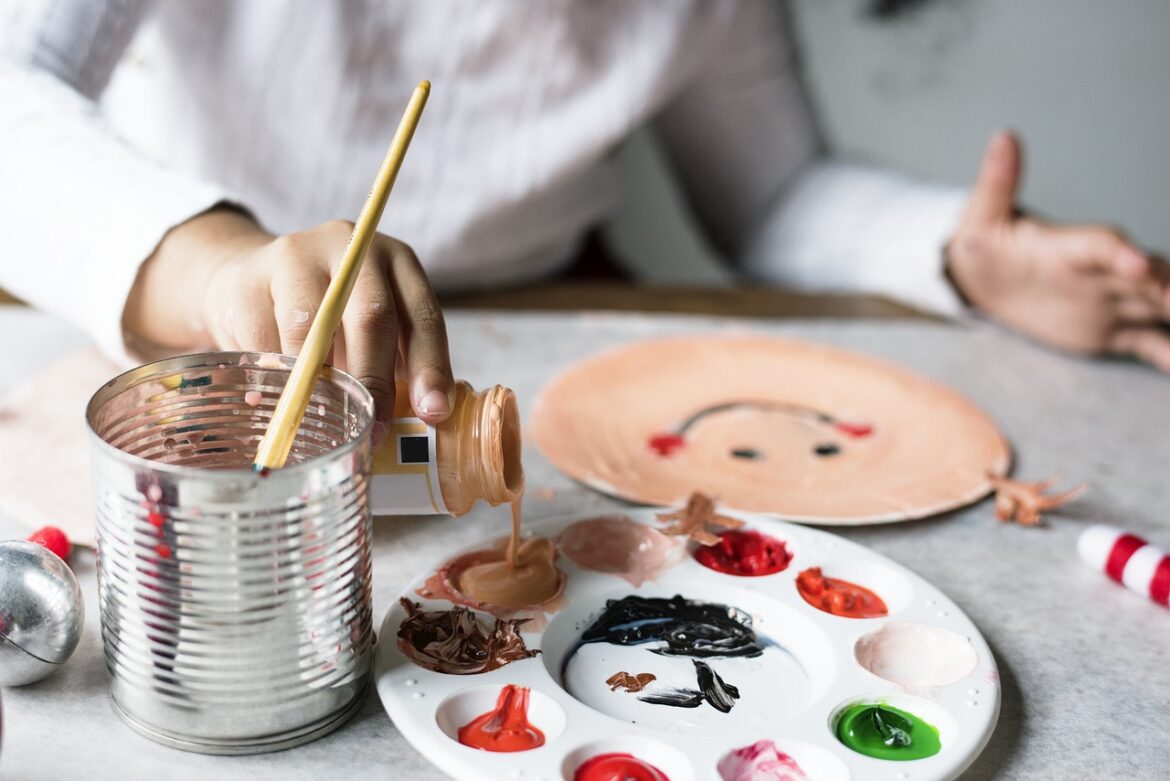
Ever feel stuck in a rut, like your brain’s on autopilot? A two-week Creativity Camp is changing that for kids and adults alike. Launched as a day camp intervention, it uses arts like painting and music to lift mental health. Recent studies show participants report less stress and brighter outlooks, proving simple design tweaks in programs can spark joy. Think of it as a playground for the mind, where doodling beats therapy sessions.
3. Music Therapy Tunes Out Dementia Distress
In UK NHS dementia wards, live music sessions called MELODIC are ditching drugs for melodies. This 2025 pilot, now expanding, has staff and therapists witnessing agitated patients calm down mid-note. No pills, just pianos reshaping brainwaves in real time. One study even mapped how sound frequencies rewire neural networks, like tuning a radio to a happier station. Families rave: it’s human-centered design at its best, prioritizing live interaction over screens.
4. ADHD Superpowers Get a Spotlight
ADHD isn’t just chaos – it’s a superpower in disguise. New 2025 research spotlights how adults embracing traits like hyperfocus, creativity, and humor report better mental health and less stress. Companies are redesigning workplaces with flexible ‘focus pods’ and humor-infused breaks, turning perceived flaws into assets. As one expert notes, “It’s like upgrading from a glitchy app to a pro version of yourself.”
5. Art Galleries as Hospital Havens
Hospitals are getting a makeover: walls lined with paintings that don’t just decorate but heal. A 2025 study found viewing art boosts wellbeing by injecting meaning into tough days, perfect for patients feeling lost. It’s low-tech design genius – no apps needed, just a canvas sparking hope. Clinics worldwide are copying this, blending galleries into recovery spaces.
These stories aren’t sci-fi; they’re happening now, showing design’s double edge. Bad algorithms harm, but creative therapies heal. For leaders and employees, the lesson is clear: build with empathy. Swap endless scrolls for art breaks, and watch mental health soar. What’s your next design tweak?
(Word count: 612)
References:
- https://www.sciencedaily.com/news/mind_brain/creativity/
- https://www.motleyrice.com/social-media-lawsuits/youtube
- https://fox11online.com/news/nation-world/inside-the-case-meta-youtube-found-liable-for-addictive-design-targeting-kids-instagram-facebook-social-media-matthew-bergman-mental-health-algorithms-users-parents
- https://newschannel9.com/news/nation-world/inside-the-case-meta-youtube-found-liable-for-addictive-design-targeting-kids-instagram-facebook-social-media-matthew-bergman-mental-health-algorithms-users-parents
- https://www.cms.gov/priorities/innovation/innovation-models/lead