Hook: Weather is no longer background noise in design — it’s the brief your projects must solve.
Why this matters: From heat waves and drought to darker winters, real-world weather is driving designers to rethink materials, plant choices and layouts so buildings and gardens actually last and feel good to use.
Trend 1 — Climate-smart landscapes (real projects, less maintenance)
- The problem: Turf-heavy yards and old-school plant palettes fail under repeated droughts and freezes.
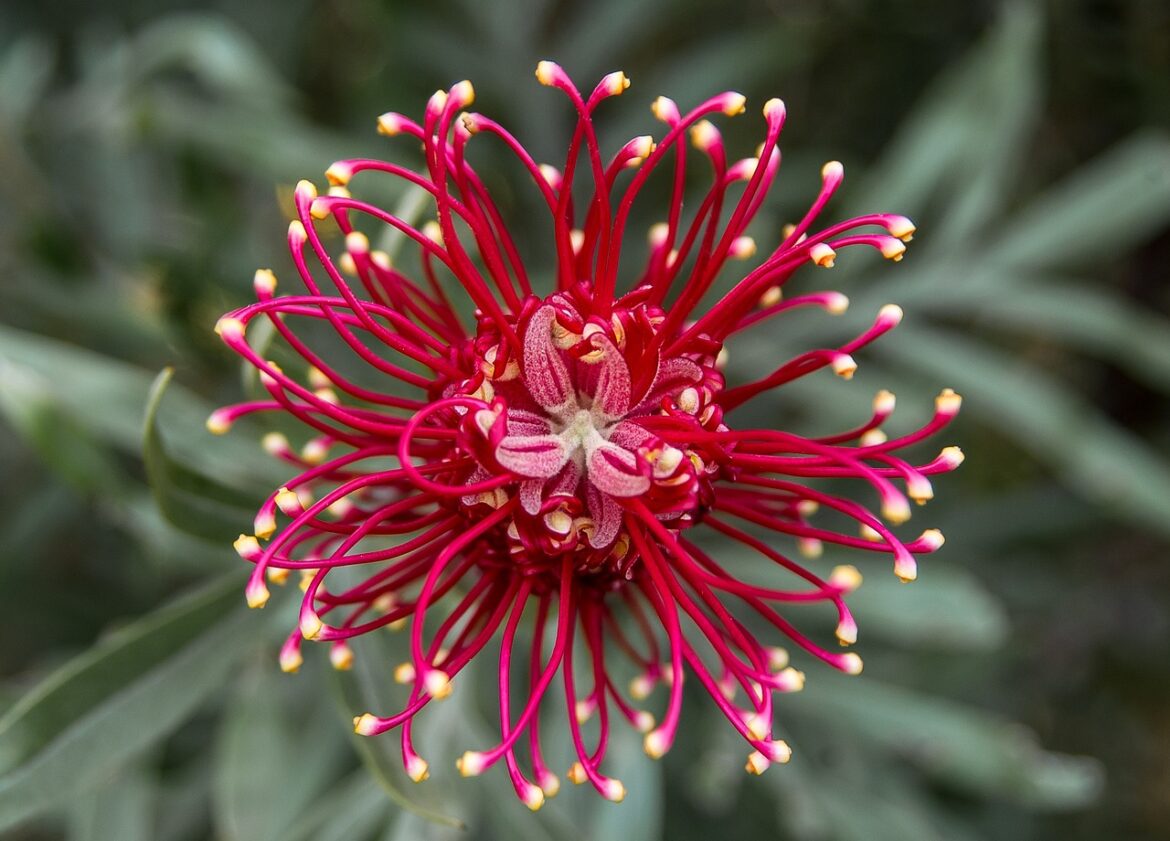
- What designers do now: Swap thirsty lawns for layered plantings, improved soil and modern irrigation so gardens survive extremes and still look great.
- Concrete example: A Dallas-area landscape firm advised homeowners to abandon quick curb-appeal fixes and instead use climate-adapted plants and better drainage to reduce long-term repair costs.
Trend 2 — Biophilic and mood-aware interiors
- The problem: Short, gray winters and too little daylight affect mood and productivity.
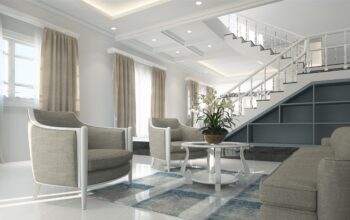
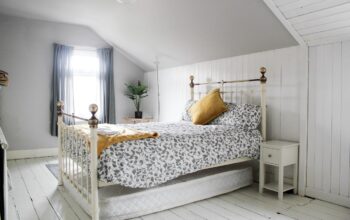
- What designers do now: Bring in more daylight, natural textures and plants, plus warm palettes and lighting strategies that lift spirits during darker months.
- Concrete example: Interior designers pair sheer window treatments and sun-reflecting surfaces with plant clusters to create sunlit, cheerful rooms that support wellbeing.
Trend 3 — Materials and details built for weather cycles
- The problem: Freeze–thaw, heavy storms and heat can ruin cheap materials and create hidden maintenance headaches.
- What designers do now: Choose modern materials and assembly methods—hardscape that handles freeze cycles, breathable finishes, and irrigation that avoids overwatering—to reduce failures and callbacks.
- Concrete example: Landscape pros recommend modern paving and mulching techniques plus correct drainage in place of quick fixes like improperly installed synthetic turf.
Trend 4 — Indoor–outdoor continuity that’s actually usable
- The problem: Sliding doors and patios look good on portfolios but fail if they aren’t planned for local weather (heat, storms, or lack of shade).
- What designers do now: Design layered shade, heat-tolerant outdoor furniture and thoughtful transitions so outdoor rooms function through seasons.
- Concrete example: Designers integrate shade trees, adjustable louvers and durable fabrics so a patio remains usable in summer heat and during summer storms.
Practical takeaways for clients and teams
- Prioritize resilience: Ask your designer how choices perform under your local extremes.
- Think long-term cost, not instant curb appeal: Low-maintenance, climate-adapted choices often save money over five years.
- Layer solutions: Combine soil improvement, plant diversity, and smart irrigation rather than relying on single fixes.
- Design for use: Test outdoor rooms against real conditions—shade, wind and drainage—before finalizing.
Expert voice: Designers and landscape pros increasingly treat weather as a design constraint rather than an afterthought, turning climate pressure into practical creativity.
Final note: Weather-smart design isn’t about dull safety-first choices — it’s about making spaces that look good, perform reliably and feel better to live in across seasons.
References:
- https://southernbotanical.com/the-benchmark/landscape-practices-to-leave-behind-in-2025/
- https://www.anthonymichaelinteriordesign.com/top-interior-design-trends-for-modern-homes8a757e3fcddcb063
- https://angiehomes.co/blogs/press/seasonal-interior-design-trends-that-transform-your-home-effortlessly
- https://www.housebeautiful.com/design-inspiration/a69713770/how-to-decorate-if-you-have-sad/
- https://www.hooeasy.com/pantones-color-of-the-year-cloud-dancer-and-its-relationship-to-future-outdoor-space-design-trends/
- https://www.aol.com/articles/9-home-trends-designers-were-182134871.html