The Design World is Getting Softer (And Warmer)
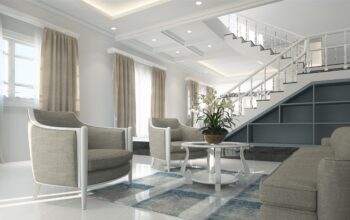
After years of minimalist perfection and geometric precision, design in 2026 is taking a decidedly different turn. The sharp angles and boxy furniture that once defined modern interiors are quietly being replaced with something more inviting: curves, warmth, and genuine personality.
Think of it like this—straight lines were efficient and tidy, but they started to feel cold. Homeowners and designers are now embracing arched doorways, curved sofas, and sculptural lighting that actually makes spaces feel like homes rather than showrooms. The shift represents something bigger than just aesthetics: people want spaces that feel lived-in, intentional, and welcoming again.
The Color Revolution Happening Right Now
If you’ve been sticking with neutral walls, the design world is gently suggesting it’s time for a change. According to a recent survey of nearly 500 design professionals, chocolate brown is leading as the top anticipated color for 2026, while burgundy has made a surprising comeback. Even softer pastels like butter yellow have more than doubled in popularity.
But here’s the clever part—these warm tones aren’t being used alone. Designers are pairing them with metallic accents and unexpected color combinations that create visual interest without feeling chaotic. Major paint companies are weighing in too: Pantone named Cloud Dancer, a serene billowy white, as its Color of the Year, while Dunn-Edwards chose Midnight Garden, a deep muted green inspired by nature’s quiet elegance.
It’s not just about picking a trendy color anymore. It’s about creating a narrative in your space.
Texture is Having Its Moment
Flat, painted drywall has been the default for decades because it’s easy, affordable, and… forgettable. That era is officially over. Textured walls and ceilings are experiencing a genuine renaissance, and not just in high-end custom homes. Homeowners across the board are discovering how texture can transform a space, making it feel more dimensional and tactile.
This connects to a broader trend toward materials that feel intentional and grounded. Whether it’s hand-forged metal accents, sustainable natural materials, or rustic details with character, the message is clear: surfaces that tell a story are beating out surfaces that fade into the background.
Fashion Gets Bold With Purpose
The fashion world is riding similar waves of change. Jacques Marie Mage just launched its Last Frontier VII sunglasses collection, partnering directly with Indigenous artisans and supporting organizations that promote Indigenous culture—proving that cool style and meaningful impact aren’t mutually exclusive.
Meanwhile, Cecilie Bahnsen and The North Face just unveiled their third collaboration, blending Bahnsen’s romantic aesthetic with The North Face’s technical expertise. The result? A juxtaposition that feels fresh: romantic utility. It’s the kind of design thinking that works in fashion, interiors, and beyond.
Net-A-Porter is also spotlighting emerging designers like Kallmeyer, Heirlome, and Colleen Allen through its 2026 Vanguard Mentorship program, giving new voices the platform and strategic support they need to make an impact.
The Elephant in the Room: Design’s Identity Crisis
Not all design news is celebratory. Nick Foster, a futures designer who led Google X from 2016-2023, recently issued a sobering warning at SXSW about the future of design. His concern? Design’s role in organizations is shrinking.
According to Foster, design has been “turned into a servile, delivery-focused arm” of companies increasingly dominated by computer scientists and product managers. The fear is that unless design reclaims its confidence and ability to imagine and push back, it will continue to be treated primarily as a cost center rather than a strategic force.
This observation matters beyond Silicon Valley. It reflects a tension happening across industries: how do we preserve design’s ability to shape thinking and culture when efficiency and speed often win out?
Beyond Individual Trends: The Bigger Picture
If you zoom out, these trends aren’t random. They point to a collective desire for spaces and objects that feel human-centered, sustainable, and story-driven. Whether it’s the return of warm minimalism in interiors, the embrace of bold patterns that actually make statements, or fashion partnerships that prioritize both craftsmanship and social impact, the common thread is intentionality.
Designers and homeowners alike are pushing back against the idea that design should be invisible or purely functional. The curves, colors, and textures trending in 2026 are declarations: we want beauty, we want meaning, and we want our spaces to reflect who we actually are.
The design world is essentially saying that thoughtful, durable work rooted in genuine craft matters more than ever during periods of instability. Whether you’re refreshing a single room or reimagining an entire brand, the message is the same—go for warmth, embrace character, and let intention guide every choice.
References:
- https://www.creativeboom.com/resources/the-best-new-fonts-for-march-2026/
- https://sunnewsaustin.com/2026/03/27/frightening-trends-in-design/
- https://sustainable9.com/news/design-trends-to-embrace-in-2026
- https://www.elle.com/fashion/a70574295/best-fashion-launches-march-2026/
- https://houseofmlmc.com/blogs/news/latest-interior-design-trends-2026
- https://accessamarketplace.com/blogs/news/whats-hot-in-2026-your-free-guide-to-this-years-biggest-interior-design-trends-is-here
- https://www.kiro7.com/contributor/rustic-style-house/V5HFN2ALYM4CFNKRYKQXRFXSMU/?outputType=amp