Hook: Designers are ditching safe neutral lanes and staging a comeback—think theatrical bedrooms, handcrafted surfaces, and visuals that flirt with the uncanny.
Why it matters (expert take): Industry leads and studio founders say 2025’s quiet refinement has matured into 2026’s bolder mix of craft, storytelling, and human-first visuals—so brands and teams need to design for feeling, not just function.
Five trending design stories to watch
-
Imperfect by Design: Visuals that feel human Canva’s 2026 trend report highlights a shift toward intentionally imperfect work—lo-fi textures, editorial layouts, and AI-as-collaborator—so creators are leaning into tactile, human-forward aesthetics rather than pixel-perfect polish.
-
Reality Warp: The blurred line between real and surreal Across social platforms, designers are mixing liminal, uncanny visuals with cinematic storytelling to create emotionally charged content that stands out in feeds—think staged moments that feel half-dream, half-documentary.
-
Meaningful Maximalism in interiors Design studios report a return to layered, storied homes—handcrafted stone, lacquered wood, and antiques—where every surface tells a story instead of following a minimalist rulebook.
-
Color Capping and Color-Drenching: Paint as atmosphere New paint moves—color capping (graduated tonal bands across walls and trim) and whole-room color-drenching—are replacing one-off accent walls, turning ceilings and moldings into active parts of the design composition.
-
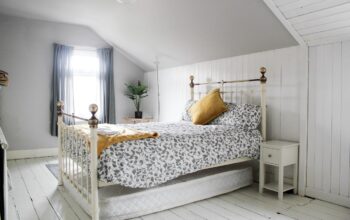
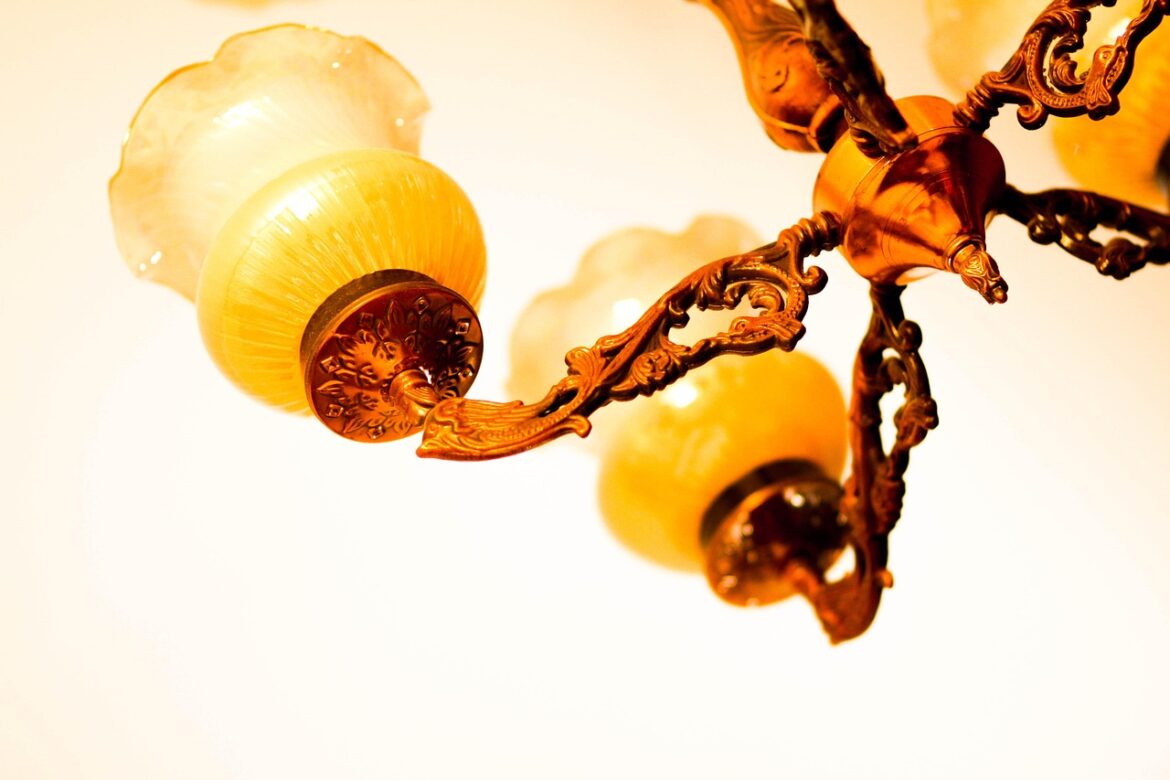
Statement Elements over mass-produced sameness Designers are swapping flat, mass-produced finishes for tactile surfaces (seeded glass, artisan metalwork), sculptural lighting, and beds and furniture that bring theatrical presence to everyday rooms.
How these trends show up in the real world (concrete examples)
-
A boutique hospitality project replaces a uniform lobby with layered materials: a lacquered check-in desk, mirror-clad niches, and a statement ceiling that reads like a theater sky.
-
A creator’s Instagram feed uses liminal portrait backdrops and subtle grain to produce a series that feels cinematic and emotionally heightened—driving higher engagement than hyper-polished posts.
-
Homeowners choose color-capped foyers where trim, wall, and ceiling shift through three tonal steps of the same hue, creating depth without extra clutter.
Practical takeaways for teams and companies
- Prioritize tactile authenticity: invest in finishes or visuals that read as crafted, not factory-perfect.
- Use story-first visuals: frame content like a short scene—mood, protagonist (product or person), and a dramatic lighting cue.
- Experiment with paint and texture before costly renovations—sample large swaths and test color-capping on a single wall.
Pitfalls to avoid
- Don’t confuse maximalism with chaos—curation matters: limit focal points to one or two per room.
- Avoid trendy gimmicks without purpose—if a dramatic visual or finish doesn’t support the story or function, skip it.
Final note: 2026 design trends are less about one look and more about attitude—embracing imperfection, craft, and emotional storytelling gives spaces and visuals staying power. Treat trends as tools to amplify your message, not as rules to copy wholesale.
References:
- https://www.morningstar.com/news/business-wire/20251210696597/canva-unveils-2026-design-trends-the-year-of-imperfect-by-design
- https://www.news18.com/lifestyle/interior-design-trends-that-shaped-2025-and-whats-defining-the-2026-lookbook-9769326.html
- https://www.canva.com/newsroom/news/design-trends-2026/
- https://www.floridarealtors.org/news-media/news-articles/2025/12/home-design-trends-watch-2026
- https://www.domino.com/design-inspiration/designer-decorating-trends-2026/
- https://www.elledecor.com/design-decorate/trends/a69729023/color-capping-interior-design-trend-2026/
- https://www.aol.com/articles/7-outdated-interior-design-trends-170000214.html