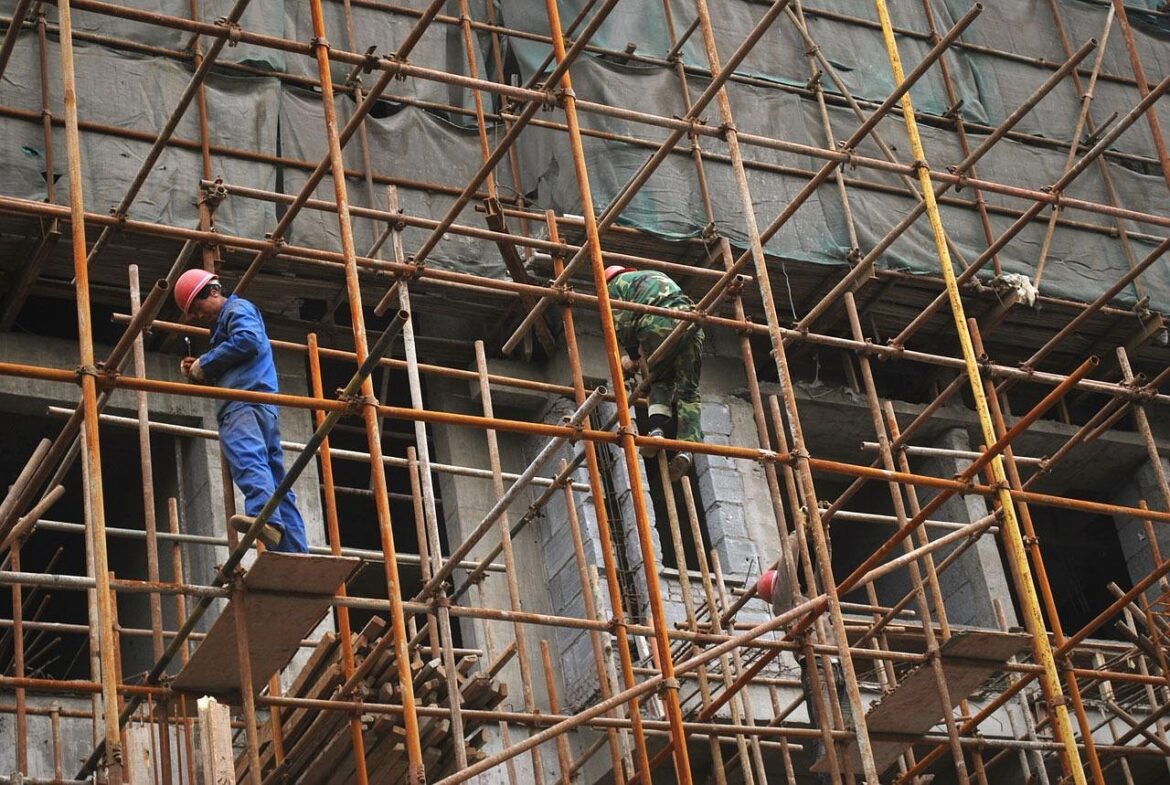
Imagine standing on a massive construction site, cranes towering like giants, but the real bottleneck isn’t steel or concrete—it’s people. That’s the gritty reality hitting the construction industry in 2026, where labor shortages are flipping projects upside down. According to Deloitte’s latest outlook, the sector needs half a million new workers just to keep up, as veteran crews retire and demand explodes for data centers and energy projects.
Story 1: The Great Workforce Squeeze
Picture this: timelines stretch, costs balloon because there’s simply not enough hands on deck. Deloitte reports highlight how an aging workforce is bowing out, leaving gaps that no amount of overtime can fill. Firms are turning to digital tools like AI and BIM not just for efficiency, but as a lifeline to do more with less. One expert puts it plainly: “Labor shortages make automation essential for survival.” Real-world example? Mega projects in life sciences and healthcare are accelerating, but only those firms investing in upskilling are staying ahead.
Story 2: Skills-First Hiring Hits the Site
Everyone’s buzzing about skills-based hiring, but is it talk or action? Havas People notes that while companies preach ditching degrees for real capability, many still cling to old resumes. In construction, this means overlooking trade-savvy folks who can operate new modular tech. The push? Close the rhetoric-reality gap by training on-the-job. Randstad echoes this, pushing performance management to spot gaps early and align workers with booming infrastructure needs.
- Key Tip: Offer hybrid perks and clear career paths—62% of Canadian HR leaders plan hiring spikes, per Robert Half.
- Real Move: Use contract pros for quick tech rollouts, bridging peaks without bloating payroll.
Story 3: AI and Human Touch Collide
Automation is redefining roles, automating grunt work so crews focus on high-value tasks. Autodesk experts share how prefab methods cut timelines, tackling shortages head-on. But HR can’t forget the human side—human-centric leadership is key, as Havas stresses. Leaders must inspire trust amid hybrid setups, balancing wellness with deadlines. Concrete example: Firms doubling down on training for low-carbon builds are retaining talent eager for green jobs.
Story 4: Upskilling as the Survival Hack
Robert Half reveals 65% of HR bosses see upskilling as critical. In construction, this means programs for AI tools and project management, turning novices into pros. Randstad lists top skills like HRM for engagement and project management for D&I initiatives across sites. Deloitte warns: without this, margins tighten further amid inflation.
These stories paint a clear picture—construction HR is in the hot seat, but smart moves like flexible contracts, skills focus, and tech-human blends are winning. As one outlook sums it: adapt or get left in the dust.
References:
- https://constructionexec.com/article/heads-or-tails-deloittes-2026-construction-industry-outlook/
- https://www.roberthalf.com/ca/en/insights/research/data-reveals-which-hr-roles-are-in-highest-demand
- https://www.havaspeople.com/talent-in-2026-whats-breaking-whats-building-whats-next/
- https://www.autodesk.com/blogs/construction/2026-construction-trends-25-experts-share-insights/
- https://www.randstad.ca/job-seeker/skills/top-skills-human-resources-2026/
- https://eletive.com/blog/hr-trends-2026-ai-data-and-employee-experience/
- https://www.hcamag.com/au/specialisation/leadership/how-hr-can-turn-ceo-optimism-into-reality-in-2026/564923
- https://www.constructiondive.com/news/construction-planning-falls-january-2026/811790/