The world is waking up to some big changes in how our climate is behaving. It’s not just about hotter summers or wilder storms anymore—these shifts are reshaping entire ecosystems and even cities.
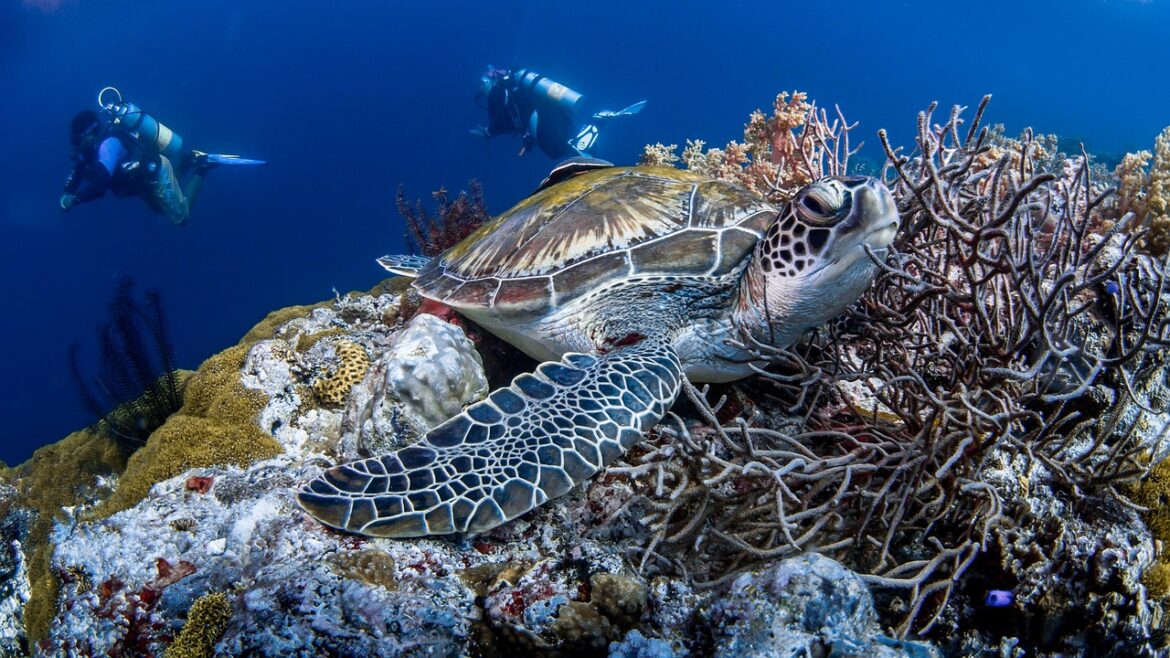
Coral Reefs at a Breaking Point Scientists now say we’ve crossed a major climate threshold: the widespread death of warm-water coral reefs. Think of coral reefs as the underwater cities of the ocean—they support countless fish and protect coastlines. But with rising temperatures, these vibrant ecosystems are dying off at an alarming rate. Experts warn this is just the beginning of irreversible changes to our planet.
Sahara Desert Could Get Rainier Here’s a twist: the Sahara Desert, known for its dry heat, might actually get much wetter. Researchers predict that by the end of the century, the Sahara could see up to 75% more rain due to climate change. While more rain sounds good, it could bring new challenges, like flooding and changes to local wildlife.
Cities Sinking as Seas Rise China’s coastal cities are facing a double threat: sea levels are rising faster than they have in 4,000 years, and the land itself is sinking. This means places like Shanghai and Guangzhou are at risk of more frequent flooding. The combination of melting ice and warmer oceans is pushing water levels up, and it’s happening quicker than anyone expected.
El Niño and La Niña Getting Stronger El Niño and La Niña, the climate patterns that affect weather worldwide, are becoming more powerful and predictable. By 2050, scientists think these patterns could lock into a new, more extreme cycle. This means more intense droughts, floods, and storms for many regions.
Progress in Climate Solutions It’s not all doom and gloom. Solar and wind power are growing faster than ever, electric cars are getting cheaper, and new technologies are helping farms and cities adapt. Experts like Bill Gates say we’re making real progress, but the focus needs to shift from just cutting emissions to helping people live better in a changing climate.
These stories show that climate change is already here, but so are the solutions. The key is to act fast and smart.
References: