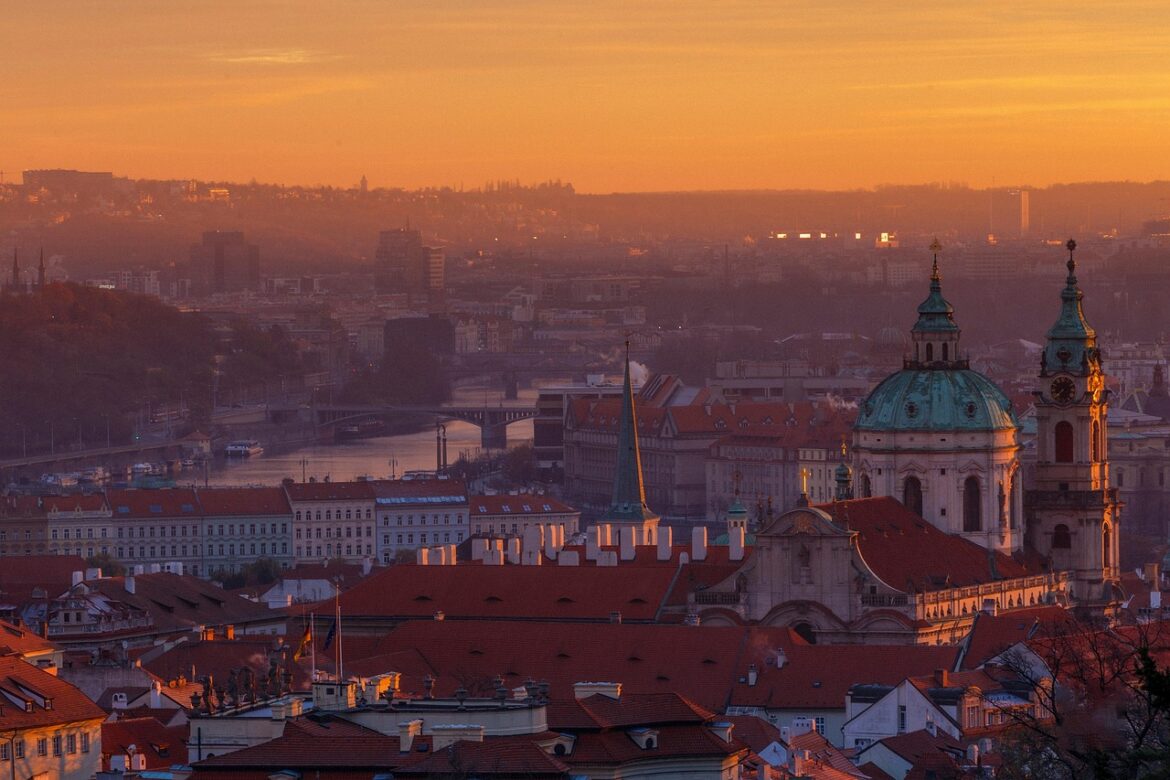
Imagine your city as a giant puzzle, where every street, building, and park is a piece that can help fight climate change. In recent months, cities around the world have been snapping those pieces into place with new climate plans, regulations, and community projects. While national governments sometimes move slowly, local administrations are stepping up, showing that real change often starts close to home.
Local Leaders Lead the Way
Take New York City, for example. The city recently passed a law requiring all large buildings to cut their carbon emissions by 40% by 2030. That’s not just a number on paper—it means thousands of apartment blocks, offices, and schools are now upgrading heating systems, installing better insulation, and switching to cleaner energy. According to city officials, this move could cut the city’s total emissions by nearly 6%, a big deal for a place with millions of residents.
Across the Atlantic, Paris has launched a similar push. The city is turning parking spaces into green zones, planting trees, and expanding bike lanes. Mayor Anne Hidalgo says these changes aren’t just about reducing emissions—they’re about making life better for people. “We want Paris to be a city where you can breathe, move, and live without feeling the heat or the pollution,” she said in a recent interview.
Small Towns, Big Impact
It’s not just big cities making waves. In the U.S., towns like Burlington, Vermont, and Aspen, Colorado, have set ambitious goals to run entirely on renewable energy. Burlington, for instance, now gets most of its power from wind, solar, and hydro sources. Local leaders say the switch has not only cut emissions but also saved money on energy bills for residents.
These stories show that climate action isn’t just about big, sweeping policies. Sometimes, it’s about small, practical steps—like swapping out old streetlights for LED bulbs or helping homeowners install solar panels. As one city planner in Portland, Oregon, put it, “We’re not waiting for permission. We’re doing what we can, right now.”
The Power of Community
What makes these local efforts so powerful is the way they bring people together. In Copenhagen, Denmark, the city government has teamed up with residents to create “climate neighborhoods.” These are areas where families work together to cut waste, share resources, and support green projects. The result? Lower emissions, stronger communities, and a sense of pride in making a difference.
Experts say this kind of grassroots approach is key. “Cities are where people live, work, and play,” says Dr. Maria Gonzalez, an urban climate specialist. “When local leaders listen to their communities and act on their needs, climate action becomes real and lasting.”
Challenges and Opportunities
Of course, not every city has the same resources or political support. Some places struggle with funding, while others face resistance from residents or businesses. But even in these cases, local leaders are finding creative ways to move forward. In Cape Town, South Africa, the city has launched a program to help low-income families install solar panels, making clean energy more accessible for everyone.
Looking ahead, the trend of local climate action is only expected to grow. As more cities share their successes and learn from each other, the puzzle of climate change starts to come together—one piece at a time. Whether it’s a big metropolis or a small town, every community has a role to play in building a cleaner, healthier future.
So next time you walk down your street, take a look around. The changes you see—new bike lanes, solar panels, or even a tree planted in a vacant lot—might just be part of a bigger story about how cities are leading the way on climate action.