Welcome to the Productivity Revolution in Design
As we step into 2025, the way we design workplaces and home offices isn’t just about aesthetics—it’s about boosting real productivity and wellbeing. This shift is more than a trend; it’s a response to how work habits and technologies have evolved. Let’s dive into some of the most exciting, practical design stories shaping productivity today.
1. Human-Centric Design: Putting People First
Imagine an office where your chair adjusts perfectly to your posture, quiet zones help your mind focus, and plenty of greenery soothes your stress. This is human-centric design in action. Instead of cramming spaces to fit more desks, companies now prioritize how the environment impacts employee happiness and health.
For example, plants and natural light aren’t just decor—they improve mood and reduce absenteeism. Adjustable workstations let workers switch between sitting and standing, and quiet pods give folks space to concentrate. Businesses have realized a happy employee is a productive employee, making these designs more than a luxury but a core strategy.
2. Hybrid and Flexible Workspaces: Ready for Anything
The rise of hybrid work—mixing remote and office days—has shaken up traditional layouts. Offices are evolving from fixed desks to highly flexible spaces. Picture modular furniture that moves easily, room setups that support video calls and small group huddles, and “hot-desks” that anyone can use when they’re in.
This flexibility is key. One company outfitted their office with movable walls and versatile zones, enabling teams to rearrange spaces depending on the day’s needs. It’s like having a workplace that adapts as fast as your schedule does.
3. Smart Technology: The Invisible Assistant
Technology isn’t just about gadgets; it’s becoming the unseen backbone of productive environments. Smart sensors help track which meeting rooms or desks are used the most, so companies can optimize space without guesswork.
Beyond space management, AI-driven digital twins let designers simulate and tweak office layouts virtually before a single chair is moved. In homes, smart lighting adjusts color and brightness throughout the day, syncing with your body’s rhythms to keep you alert or relaxed.
4. Biophilic Design: Nature as a Productivity Booster
Bringing nature inside is no longer optional—it’s essential. Studies continually show that leafy plants, natural textures, and ample daylight reduce stress and sharpen focus.
One leading firm redesigned their office with floor-to-ceiling windows and indoor gardens, and employees reported feeling more energetic and less fatigued. Even small touches like wooden desks or stone accents help connect us subconsciously with the outdoors, promoting deeper concentration.
5. Personalized Home Offices: Comfort Meets Style
With remote work here to stay for many, home office design is its own booming frontier. The focus is on crafting spaces that balance productivity with personal comfort.
Take Sarah, a marketing manager, who revamped her nook with ergonomic chairs, dual monitors, and vibrant artwork reflecting her personality. The result? She feels motivated from morning till evening.
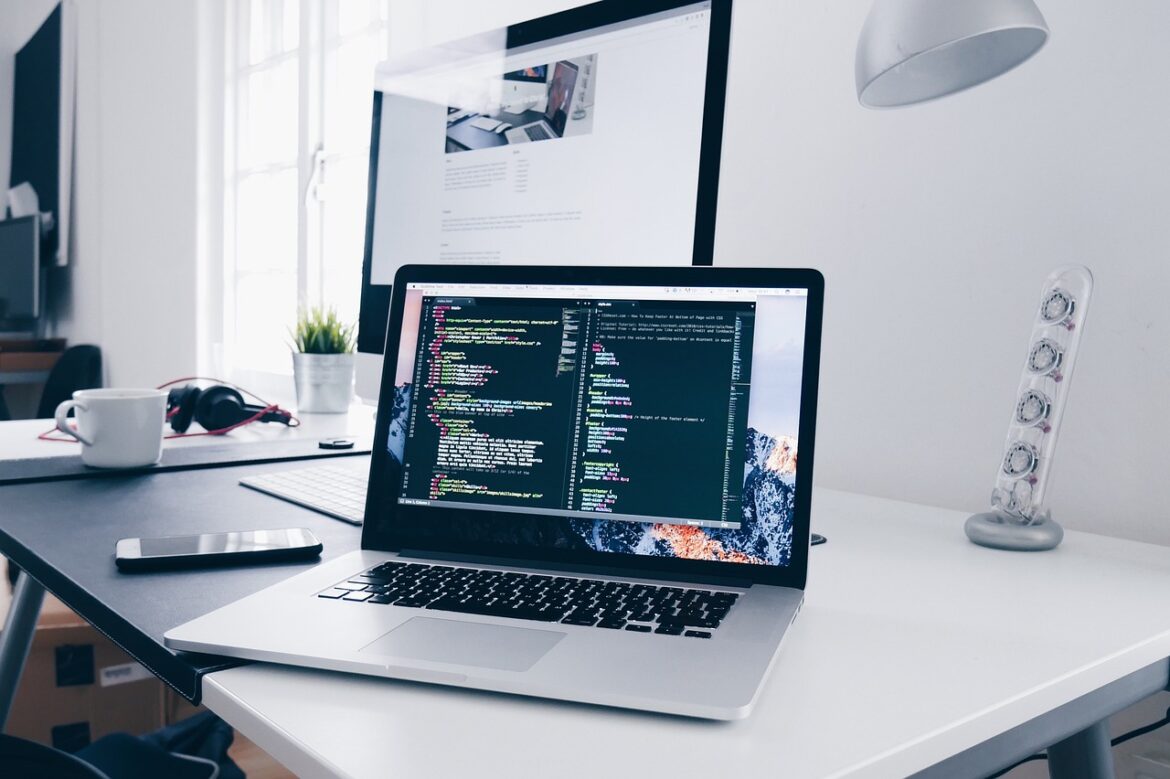
Similarly, integrating smart tech like video conferencing tools or adjustable lighting at home supports a professional atmosphere without sacrificing the cozy feel.
How to Bring These Trends to Life?
- Audit your space: Identify what’s helping or hindering your focus.
- Choose flexibility: Invest in furniture and layout solutions that can change with your needs.
- Embrace tech smartly: Use devices that simplify your day, not complicate it.
- Add greenery and natural elements: Even a small plant or better window coverage can uplift your mood and productivity.
- Personalize your spot: Whether at home or work, make your environment feel yours.
In 2025, productivity isn’t a solo race—it’s a team effort between people, spaces, and technology. By embracing these real-world design trends, you create places where ideas flow easily, focus sharpens naturally, and work feels less like a grind and more like a groove.
Ready to design your productivity? It’s time to build spaces that work as hard as you do.
References:
- https://onefolds.com/blogs/future-of-commercial-interiors-trends-2025
- https://www.uctoday.com/devices-workspace-tech/the-2025-uc-reset-5-trends-every-enterprise-buyer-needs-to-know/
- https://vocal.media/journal/the-future-of-office-interiors-what-will-office-spaces-look-like-in-2025
- https://collabor8eight.com/home-office-design-trends-2025/
- https://joyaarchitects.com/blogs/office-interior-design-trends/
- https://www.gensler.com/blog/10-workplace-trends-for-2026-whats-in-and-whats-out
- https://business.adobe.com/resources/creative-trends-report.html
- https://www.benjaminofficesupply.com/blog/top-office-trends-for-modern-workplaces/
- https://www.workdesign.com