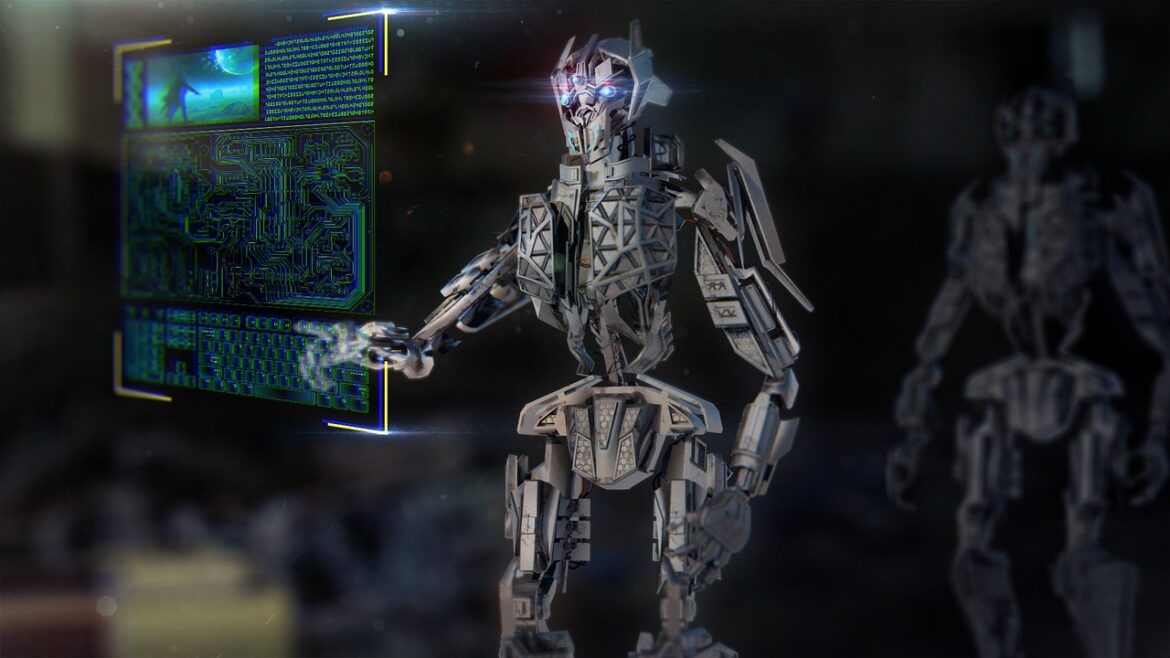
The artificial intelligence revolution is no longer just tech-talk in Silicon Valley—it’s reshaping politics, international relations, and daily life in ways that are impossible to ignore.
Americans Are Seriously Worried
A recent poll has revealed something striking: most American voters fear that AI could eventually overtake humans. This isn’t just abstract anxiety either. People are grappling with real questions about what happens when machines become smarter than us. The concern reflects a broader tension between excitement about AI’s potential and genuine worry about losing control. Think of it like standing at the edge of a technological cliff—exhilarating but unsettling.
Deepfakes Create International Drama
The situation got real fast when Israeli officials had to publicly deny rumors that Prime Minister Benjamin Netanyahu had died. Why? Because someone uploaded what appeared to be a video of him—but eagle-eyed internet users spotted telltale signs it was AI-generated. At one point in the video, he appeared to have six fingers on one hand. This incident perfectly captures modern anxieties: in an age of AI-generated content, how do we know what’s true? It’s like trying to trust your own eyes when reality itself becomes questionable.
The Global AI Race Heats Up
Meanwhile, the competition between superpowers is intensifying. China is showcasing advanced humanoid robots while the United States races to maintain technological dominance. This isn’t just about corporate bragging rights—it’s about which nation will control the future of artificial intelligence. Microsoft is positioning itself as a key player in this battle, despite broader concerns about how AI might disrupt existing industries.
Communities Fighting Back
Not everyone is welcoming AI with open arms. An Alabama community is pushing back against plans for a massive solar farm designed to power an AI data center. Meanwhile, New Zealand is wrestling with similar issues as a massive AI facility plans to become the country’s second-largest electricity consumer. These resistance movements highlight an important reality: AI infrastructure requires enormous resources, and local communities are rightfully asking whether the benefits justify the environmental and social costs.
The Bigger Picture
What ties these stories together is a world caught between two forces—hope and caution. AI promises tremendous benefits, from robots helping seniors combat loneliness to faster internet speeds. But it also brings real challenges: from deepfakes threatening political stability to massive energy demands straining local communities. The question isn’t whether AI will change our world—it already is. The real question is whether we’ll shape that change wisely or simply react to it as it unfolds.
References:
- https://www.foxnews.com/video/6390731547112
- https://www.youtube.com/watch?v=M22HJP7SD8U
- https://www.cbsnews.com/video/alabama-community-pushing-back-against-solar-farm-power-ai/
- https://www.foxnews.com/video/6390985014112
- https://www.foxbusiness.com/video/6390895617112
- https://www.1news.co.nz/2026/03/13/massive-ai-factory-could-impact-sea-life-cultural-values/
- https://www.euronews.com/video/2026/03/13/latest-news-bulletin-march-13th-2026-midday