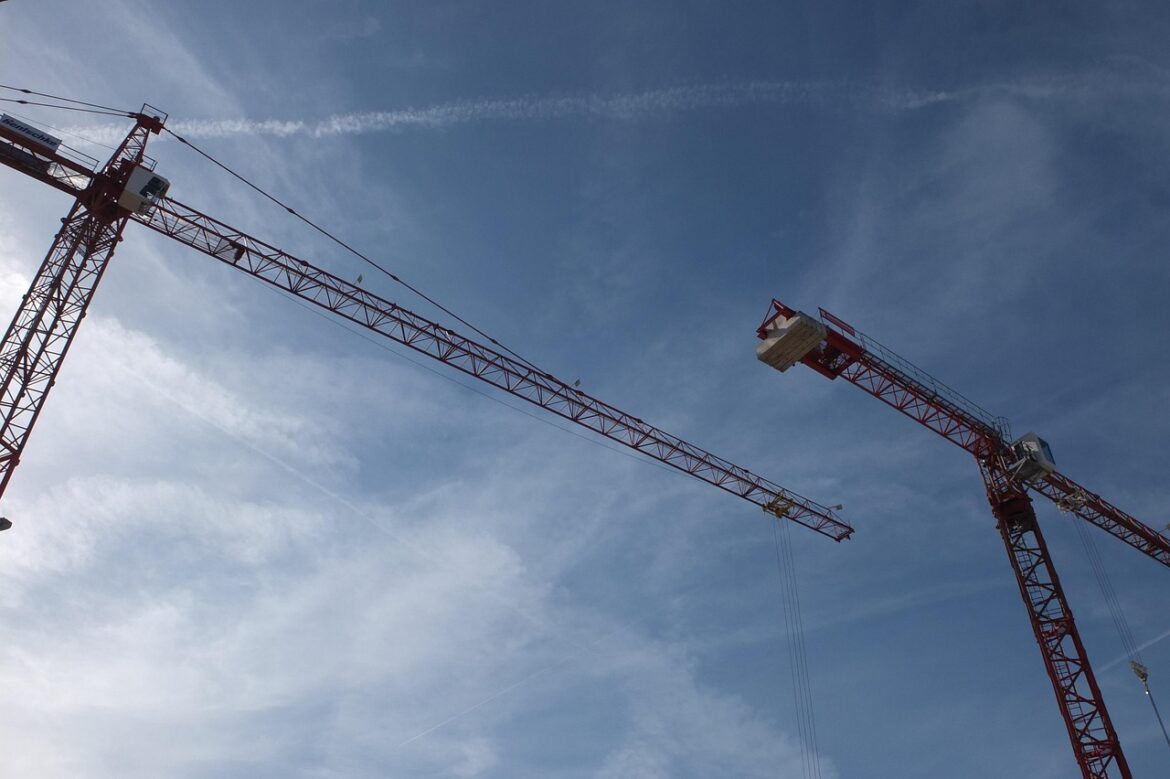
Hook: The New Brain on the Jobsite
Imagine a construction site where machines don’t just work but think — spotting safety hazards before accidents happen, predicting material shortages, or instantly adjusting schedules to weather changes. That’s the promise of AI in construction today, and it’s no longer science fiction. Real-world projects across the globe are using artificial intelligence in bold, practical ways to upgrade how buildings get built.
How AI Is Making Construction Smarter and Safer
Construction projects aren’t only about cranes and concrete anymore. AI-driven drones are flying overhead, offering live footage and data that human eyes can’t match. They spot cracks in bridges, track material deliveries, and map massive sites with pinpoint accuracy. This bird’s-eye view doesn’t just save time; it slashes costs by catching problems early.
Meanwhile, machine learning algorithms work behind the scenes processing mountains of data generated on-site — from sensor readings in freshly poured concrete to scaffold stability checks. AI systems analyze this data to flag risks like structural weaknesses or safety hazards and even forecast staffing needs and budget overruns. Think of it like having a vigilant digital foreman who never sleeps.
Real-Time Security Powered by AI
Safety is paramount on any jobsite, and AI-enhanced security cameras are revolutionizing how companies protect their workers and equipment. These smart systems use video analytics to identify trespassers or safety violations instantly, unlike traditional footage that only helps after the fact. Some even include night vision and thermal imaging, offering 24/7 surveillance in tough conditions.
Take the example of large, remote construction sites where theft and accidents can go unnoticed for hours. AI alerts security personnel in real-time, helping prevent costly delays and OSHA violations. And with remote access, managers can monitor sites from anywhere on the planet.
AI and Project Management: The Predictive Power
Another game-changer is AI-fueled predictive analytics. Construction is filled with uncertainties — weather changes, material delays, or sudden labor shortages. Advanced AI tools sift through real-time and historical data to forecast these challenges before they become crises.
For instance, by linking AI with Building Information Modeling (BIM) and IoT sensors, construction teams can get live updates on project progress, automatically flagging issues and suggesting course corrections. This digital crystal ball helps teams manage timelines more efficiently, cutting down costly rework.
Concrete Examples Transforming Construction in 2025
- Beam AI’s automated takeoff platform reduces manual estimating work dramatically, pushing projects forward faster despite labor shortages.
- The Stargate project, a collaboration led by AI giants, is building massive data centers designed to power future construction technologies with lightning-fast data processing.
- Modular building companies use AI to optimize prefabrication, shortening onsite construction timelines while maintaining quality.
Challenges and Outlook
Of course, adopting AI is not without hurdles — high upfront costs, navigating legacy systems, training, and regulatory compliance are real barriers. Yet, companies embracing AI-driven workflows report greater collaboration, improved safety records, and stronger bottom lines.
Experts agree that AI’s role in construction will only grow, driving sustainability through efficient resource use and smarter building designs. It’s not just about building faster or cheaper anymore; it’s about building better with AI as a trusty co-pilot.
Final Thought
The construction industry is undergoing a quiet revolution. AI is no longer an abstract future dream but an active partner in daily jobsite decisions, helping millions of workers build safer, smarter, and more sustainably. As technology digs deeper into every corner of construction, the buildings of tomorrow will be the very embodiment of intelligent design and execution.
References:
- https://redriver.com/technology-solutions/drones-in-construction
- https://cameronacademy.com/future-of-construction-trends-shaping-the-industry-by-2025/
- https://www.worldconstructiontoday.com/trends/construction-technology-trends-in-2025-shaping-the-future/
- https://www.wcctv.com/resources/news/the-convergence-of-ai-and-security/
- https://www.ibeam.ai/blog/whats-the-potential-construction-economy-outlook-for-2026
- https://www.globenewswire.com/news-release/2025/11/26/3194982/0/en/US-Data-Center-Construction-Industry-Report-2025-Market-to-Grow-Rapidly-Through-2030-Driven-by-Cloud-Expansion-Digital-Transformation-and-Demand-for-Scalable-Energy-Efficient-Infra.html
- https://www.coherentsolutions.com/insights/ai-adoption-trends-you-should-not-miss-2025
- https://openknowledge.worldbank.org/bitstreams/86903114-6212-4c45-9011-938925cc61d1/download
- https://www.pwc.com/us/en/tech-effect/ai-analytics/ai-predictions.html