Navigating the New Landscape of Mental Health in 2025
Mental health is no longer just a sidebar topic—it’s becoming front and center in how we care for ourselves day-to-day. From urban professionals to rural teens, new tools and approaches are breaking down old barriers and reinventing support. Here are five trending products and innovations making waves in mental health this year.
1. AI Therapy Bots — Your 24/7 Compassionate Companion
Forget waiting weeks for an appointment. Already proving their worth, AI-powered chatbots like Woebot Health and Wysa offer around-the-clock cognitive behavioral therapy sessions tailored to your mood and needs. Imagine texting an empathetic friend who remembers your struggles and gently guides you through coping techniques anytime, anywhere. This tech breakthrough is a game changer especially for folks in areas with few therapists or tight schedules.
2. Virtual Reality (VR) Immersion for Treatment
Therapy that’s literally immersive? Virtual reality platforms, such as those developed by Oxford VR, simulate real-life stressors or fears—like public speaking or PTSD triggers—in a safe, repeatable virtual space. Users experience gradual exposure therapies that help desensitize anxiety or addiction impulses, making treatment more accessible and engaging.
3. Mobile Mental Health Ecosystems — Beyond Meditation
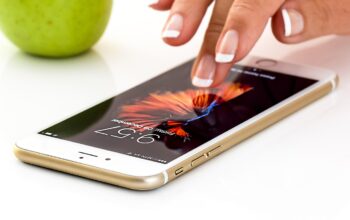
Apps like Headspace, Calm, and Happify have evolved past simple guided meditation. They’re now rich ecosystems with sleep trackers, mood journals, live counseling, and personalized self-care plans. They transform your phone into a mental wellness coach that adapts as you do, lowering the stigma and hesitancy around seeking help.
4. Early Intervention Tools in Schools and Communities
Recognizing youth mental health as critical, schools are integrating real-time mood tracking apps, peer support networks, and mindfulness education into daily life. These early intervention tools help kids understand and regulate emotions, catch warning signs before crises, and build resilience. It’s mental health literacy becoming fundamental—right alongside reading and math.
5. Wellness Products for Everyday Stress Relief
For those seeking holistic balance, products like essential oils, scented candles, and functional teas have surged in popularity. These simple solutions create calming environments, enhance sleep quality, and support gradual stress reduction. Complementing digital tools, they’re an accessible entry point for busy women and men prioritizing mental self-care.
Real People, Real Impact: Take Maria, a graphic designer juggling deadlines and social anxiety. Using a VR therapy app, she gradually built confidence speaking in meetings without feeling overwhelmed. Or Jamal, who relies on his AI chatbot late at night when anxiety strikes, finding quick exercises that ease his mind. Schools report that mood tracking apps have helped teachers notice kids needing support early, reducing absences and boosting mood.
This new era is breaking the mold of traditional therapy—making mental health care flexible, scalable, and tailored to today’s diverse needs. With tech and wellness lifestyle tools hand in hand, more people than ever can take charge of their mental wellness journey. The future looks not just hopeful but actionable.
Tags: Mental Wellness, AI Therapy, VR Treatment, Early Intervention, Holistic Health
Image: Person using VR headset, calming aromatherapy setup, smartphone mental health app
References:
- https://insights.made-in-china.com/5-Bold-Breakthroughs-in-Mental-Health-Innovation-Policy-Focus-You-Need-to-Know_ialfWUGJmEHN.html
- https://theaiinsider.tech/2025/07/08/google-announces-new-ai-tools-for-mental-health-research-and-treatment/
- https://fromdayone.com/stories/2025/7/11/the-future-of-mental-health-support-flexible-fast-and-built-for-a-global-workforce
- https://www.dianova.org/news/mental-health-trends-2025-the-rise-of-early-intervention-and-youth-centered-care/
- https://intage.com.vn/womens-mental-health-care-products-the-rise-of-wellness-trends/
- https://lifescienceintegrates.com/healthtech-integrates-2025-industry-insight-report/
- https://www.skininc.com/business/trends/article/22944960/2025-skin-care-trends
- https://www.adamsstreetpartners.com/insights/behavioral-health-2-0-moving-up-the-acuity-ladder/