From buzzword to business plan
Sustainability used to live in glossy reports and conference slides. Now it is showing up in your breakfast cereal, vitamin bottles and even farmers fields. Let us look at five real-world shifts that leaders and employees are actually living, not just talking about.
1. Upcycled food turns waste into revenue
Imagine if your factory bin became your next product line. That is essentially what upcycled food brands are doing.
One cereal company, for example, built a new range around upcycled sunflower protein the nutritious by-product left after pressing sunflower oil. Instead of paying to dispose of it, they dry, mill and blend it into grain free cereal that lands on premium supermarket shelves. The result: less food waste, lower emissions and a new hero ingredient customers can feel good about.
For companies, the lesson is simple:
-
Walk your supply chain and ask what is being thrown away every day.
-
Treat those by-products as potential ingredients, not waste.
-
Market the story: people increasingly buy the narrative as much as the nutrition.
2. Plant protein grows up
The plant based boom is shifting from lab-style meat copies to simpler, cleaner proteins. Think lentils, chickpeas, tempeh and oats rather than mystery patties with 18 line ingredient lists.
Food brands are responding by:
-
Swapping part of their animal protein for beans or grains in everyday products like soups, bowls and snacks.
-
Highlighting lower land use and water use as selling points, not footnotes.
-
Tightening sourcing standards: no deforestation, fair labour, traceable farms.
For teams developing products or employee canteens, the question is no longer meat or no meat. It is: Where can we quietly nudge the menu toward plants without making it feel like a diet? A chilli with half the beef and double the beans is a lot easier to sell than a sermon on climate science.
3. Sustainable packaging finally gets practical
In supplements and wellness products, the bottle and pouch are under the microscope. That shiny plastic tub is becoming a reputational risk.
Leading brands are moving fast by:
-
Switching to lightweight pouches or recycled plastic instead of heavy rigid jars.
-
Offering refills so customers keep the original glass or metal container.
-
Printing clear disposal instructions so packs end up in the right stream, not the general bin.
One herbal extract company, for instance, has tied its sustainability story directly to its packaging. It talks not only about where the plants are grown, but how the bottle, lid and label were designed to be recycled together. The subtext to consumers is powerful: we thought this through so you do not have to.
If you work in product, procurement or HR, packaging is a surprisingly visible quick win. A refill station in the office or a switch to lower impact packaging for corporate gift boxes says more than another slide deck ever will.
4. Regenerative agriculture leaves the lab and hits the field
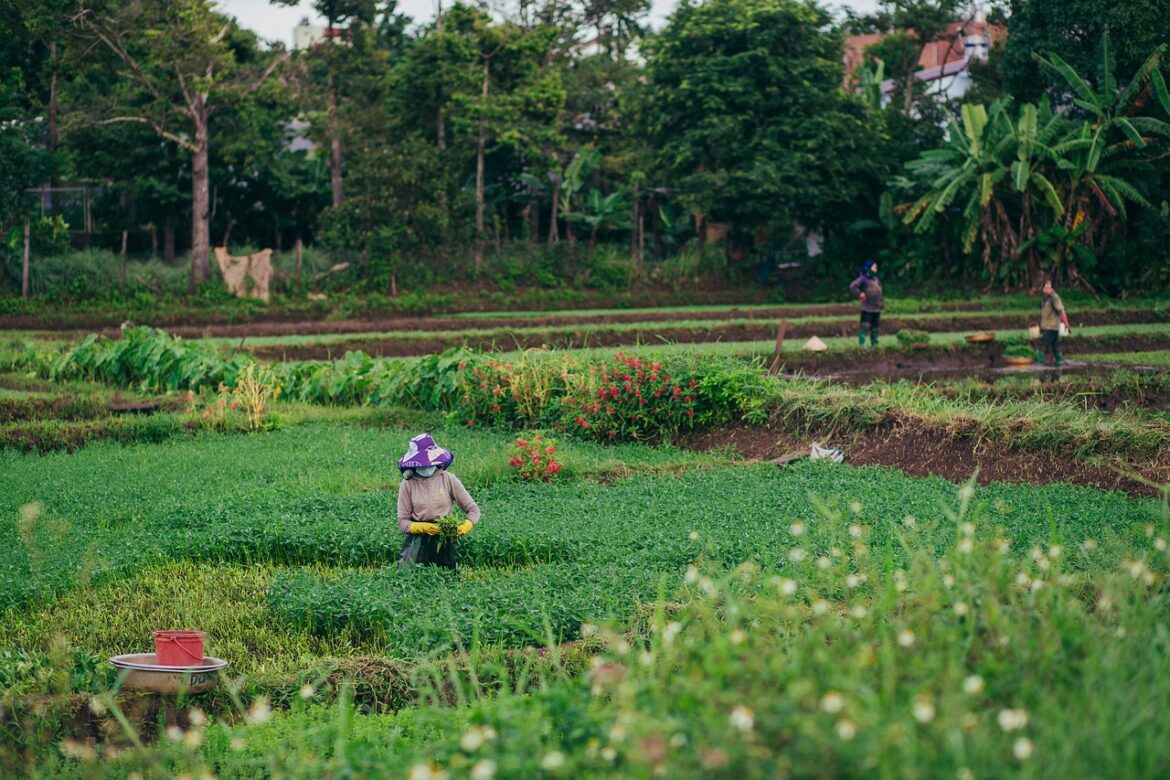
On the farm side, regenerative practices are moving from pilot projects to real business models. Farmers are being paid not just for crops but for the carbon they store in soil.
Startups are selling soil enhancers like biochar based products and biostimulants that improve soil structure, water retention and microbial life. Healthier soil locks in more carbon and often means fewer synthetic fertilizers and better yields over time.
For brands that buy grains, herbs or botanicals, this is no longer a nice to have story. Some big buyers now prefer suppliers who can show they are rebuilding soil, not stripping it. That gives farmers and ingredient companies a clear commercial reason to change how they work the land.
5. Health brands under pressure to prove they are truly clean
Finally, supplement and wellness brands themselves are being judged on sustainability, not just purity and potency. Consumers are asking awkward questions: Who grew this? How was it shipped? What happens to the tub when I am done?
In response, some of the fastest growing brands now:
-
Publish detailed sourcing maps for their herbs and vitamins.
-
Hold certifications for ethical business and responsible manufacturing.
-
Invest in take back or recycling schemes for hard to recycle packs.
This shift matters for workplaces too. When companies supply free vitamins, snacks or wellness perks, staff notice whether those products line up with the organisation’s environmental promises. A sustainably sourced, transparently labelled brand quietly backs up your ESG narrative every time an employee opens the cupboard.
Bottom line for leaders and teams
Sustainability is no longer a separate project; it is baked into ingredients, farms, packaging and product choices. The most effective moves are not always grand gestures. They are often small, concrete decisions repeated every day: choosing the upcycled option, trialling a refill, backing a farmer who builds soil, or swapping one product on the office shelf for a better one.
Those choices tell a story to customers and employees alike and in 2026, that story is becoming a competitive advantage, not just a feel good extra.
References:
- https://www.supplysidefbj.com/protein/brand-experts-prioritize-sustainable-proteins-new-applications
- https://3pmbreak.com/health-food-trends-for-2026/
- https://www.startus-insights.com/innovators-guide/agriculture-trends/
- https://pharmaceutical-journal.com/article/opinion/to-sip-or-not-to-sip-the-environmental-burden-of-oral-nutritional-supplements
- https://lifeguardhealth.co.nz/blogs/news/healthy-supplement-brands
- https://www.supplysidesj.com/business-resources/sustainability
- https://www.drvegan.com/blogs/articles/top-wellness-trends-for-2026-what-s-really-worth-paying-attention-to