Imagine this: You’re in a packed meeting, ideas flying, but half the team is remote, zoning out on glitchy video calls. Sound familiar? In 2026, workplace communication is getting a serious upgrade, thanks to smart tech that’s making chats smoother, more personal, and way less robotic. No more endless email chains or awkward silences—these tools are like your team’s new best friend, helping everyone feel heard and connected.
Let’s dive into five trending technologies shaking up workplace communication. We’ll keep it real with stories from companies living it, not just hype. Think practical tips you can steal for your own team.
1. AI-Powered Smart Meeting Assistants
Picture Sarah, a project manager at a bustling marketing firm in Charlotte. Her team’s hybrid setup meant meetings dragged on forever—summaries forgotten, action items lost. Enter AI meeting assistants like Otter.ai or Fireflies.ai on steroids. These tools now transcribe calls in real-time, highlight key decisions, and even suggest follow-ups.
“It was a game-changer,” Sarah shares in a recent Catapult report chat. “No more ‘What did we decide?’ emails. The AI flags who owns what, and it flags emotional tones too—like if someone’s frustrated.” Her team cut meeting time by 30%, focusing on real talk instead.
- Real perk: Auto-generates Slack summaries, pinging the right people.
- Pro tip: Train it on your jargon for spot-on notes.
Experts like Tony Mecia from WFAE say this automation is booming as older workers retire and AI fills gaps, making communication crisp without the grunt work.[1][4]
2. Hybrid Office Collaboration Hubs
Forget cookie-cutter cubicles. Tech giant Google’s Austin office revamped into ‘purpose-driven zones’—quiet pods with noise-cancelling walls for deep chats, and lively hubs with interactive screens for brainstorming. Tech like Cisco’s Webex Rooms powers seamless hybrid links, where remote folks appear life-size on walls.
A Merton Chamber survey found teams using these hubs show up 25% more often. “It’s like the office became a magnet,” says one HR lead. No more staring at laptops alone; AR overlays let virtual colleagues ‘join’ whiteboards.
- Cool feature: Biometric sensors adjust lighting and music for mood-boosting vibes.
- Story time: A finance team slashed miscommunications by 40% after ditching open-plan chaos.
This trend turns offices into communication playgrounds, blending physical and digital worlds effortlessly.[1]
3. Humanized AI Recognition Platforms
AI writing thank-you notes? Sounds cold, right? But at Octanner’s client firms, 45% of staff use AI to draft kudos, then tweak for heart. Tools like Culture Cloud’s ‘Post a Win’ let anyone share shoutouts publicly, with AI suggesting phrases but humans adding the soul.
Take Mike, a sales rep: “My boss’s note felt generic—then peers piled on real stories. It built instant team spirit.” Research shows observers feel 65% more inspired, making recognition a chain reaction for belonging.
- Key balance: 70% want AI used responsibly—no robot speak.
- Impact: Teams 11x more inclusive when sharing wins broadly.
It’s like turning water cooler gossip into positive fuel, says an O.C. Tanner focus group participant.[3]
4. Emotion-Aware Chatbots for Feedback Loops
Sogolytics’ 2026 report spills the tea: 38% crave more human touch amid tech overload. Enter emotion-aware bots in Microsoft Teams or Slack—analyzing tone in messages to prompt check-ins. “Hey, sounding stressed? Want to chat?”
In one SBAM-highlighted company, this closed the ‘listening gap’ where only 10% trusted feedback led to action. HR now gets real-time sentiment dashboards, sparking quick fixes like coffee chats for low-morale teams.
- Real win: 61% say tech boosts days, but with empathy layers.
- Example: A call center cut turnover 15% by addressing vibes proactively.
Balanced with face-to-face, it’s tech as a thoughtful wingman.[2]
5. Immersive VR Team-Building Networks
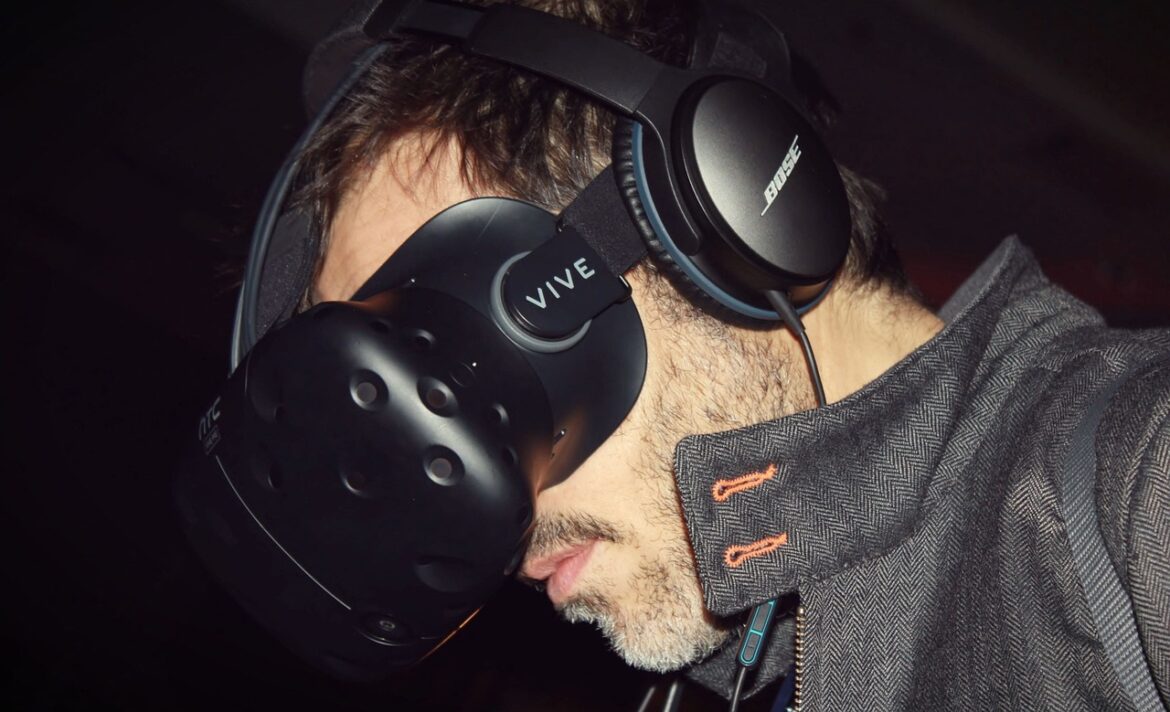
As job-hugging rises (folks sticking put longer), VR platforms like Spatial or Horizon Workrooms let distributed teams ‘hang’ in virtual lounges. Charlotte firms report using it for casual networking—coffee breaks in a beach sim or escape rooms for icebreakers.
“Face-to-face matters more than LinkedIn,” notes Marshall Terry from Catapult. One team rebuilt trust post-layoffs via VR trust falls—literal and figurative.
- Edge: Cuts travel, fosters safety for shy sharers.
- Stat: Boosts psychological safety, per HR Executive trends.[5]
Wrapping the Trends: Your Action Plan
These techs aren’t replacing chit-chat—they’re supercharging it. Start small: Pilot one tool, gather feedback like pros (action it!), and watch your team thrive. As workplaces evolve, staying connected isn’t optional—it’s the secret sauce for 2026 success. What’s your first move?
(Word count: 812)
References:
- https://mertonchamber.co.uk/the-leading-workplace-trends-to-adopt-in-2026/
- https://www.sbam.org/new-report-highlights-what-employees-really-want-in-2026/
- https://www.octanner.com/articles/5-culture-trends-2026
- https://www.wfae.org/business/2026-01-15/workplace-trends-to-look-for-in-2026
- https://hrexecutive.com/2026-workplace-trends-to-watch/