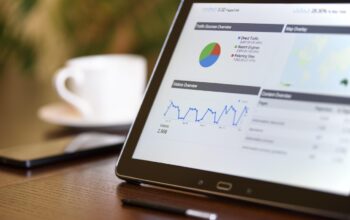
Imagine you’re juggling a massive spreadsheet of 500 shipments, hunting for that one problem shipment amid endless rows. Sounds like a nightmare, right? That’s the daily grind for many logistics pros until tools like AI Checks stepped in.
In the wild world of 2026 supply chains, where disruptions lurk around every corner—from port delays to tariff twists—five standout tools are making waves. They’re not just buzzwords; they’re game-changers backed by real companies slashing costs and speeding things up. Let’s dive into these trending heroes, hearing straight from the folks using them.
1. Chain.io’s AI Checks: The Spreadsheet Slayer
“Logistics teams are hunting for needles in haystacks every day,” says Brian Glick, CEO of Chain.io. Picture this: You get a 500-row spreadsheet with three glitchy shipments buried inside. Tomorrow, it’s 520 rows—what changed? AI Checks automatically spots those issues, tracks them as data evolves, and flags what needs your attention now. No more hours of scrolling.
One logistics firm shared how it cut manual review time by 70%, freeing staff to focus on fixes instead of forensics. It’s like having a super-smart assistant who never sleeps, perfect for growing operations drowning in data.
Key perks in action:
- Instant problem detection in shipment spreadsheets
- Continuous monitoring as files update
- Reduces errors in first, middle, and last-mile ops
2. Oracle AI Agents: Efficiency Boosters for Big Players
Supply chain leaders at giants like manufacturers are turning to Oracle’s AI Agents to build resilience. Think of them as digital sidekicks handling grunt work. One agent zips through PDF purchase orders, auto-creates sales orders, summarizes hiccups, and even learns from your tweaks.
A real-world win? Order management teams slashed fulfillment costs and sped up processing. “It’s like the agent anticipates your next move,” notes an Oracle user in procurement. Another agent tackles denied party screening, nuking false positives to near zero—huge for high-volume exporters dodging compliance headaches.
Standout features:
- Auto-converts POs to sales orders
- AI-driven trade compliance screening
- Natural language queries for trend spotting
3. Ivalua’s Collaboration Platform: Uniting the Chain
Rogers, a telecom heavyweight, was bogged down by fragmented data until Ivalua unified everything. Now, 98% of transactions auto-categorize for spend insights, contracts renew seamlessly, and suppliers love the intuitive portals.
“It’s no-code magic,” raves their procurement team. Like a bustling family dinner where everyone shares the same menu in real-time, Ivalua fosters ‘Connected Intelligence’—AI linking procurement, ops, finance, and partners. Forecasting, risk alerts, and planning flow effortlessly, dodging disruptions proactively.
Real impacts:
- Self-serve analytics dashboards
- Supplier portals for seamless comms
- Embedded AI for planning and risk mgmt
4. SONAR’s Ocean Dashboards: Wave-Riding Insights
Freight pros navigating global ocean freight got a lifeline with SONAR’s February 2026 upgrades. New supply-demand-commodity dashboards deliver elevated intelligence, paired with lightning-fast rate tools.
Envision a shipping manager at a retail chain staring down volatile rates. SONAR paints the full picture—spotting trends in container availability and pricing shifts instantly. One user avoided a 20% rate spike by rerouting based on live data, saving thousands. It’s the crystal ball for ocean markets, turning chaos into calculated moves.
Why it’s trending:
- Real-time global ocean metrics
- Smarter, faster rate comparisons
- Commodity-specific supply views
5. Thomson Reuters Trade Analytics: Disruption Busters
With global trade in flux, 58% of firms now lean on trade and supply chain data analytics, per surveys. Thomson Reuters leads with AI-assisted classification and visibility tools. Marianne Rowden, CEO of E-Merchants Trade Council, laments old-school spreadsheets: “AI pulls it all together into actionable gold.”
A mid-sized importer cut classification errors by 80%, navigating tariffs like a pro. Better visibility topped investment lists, followed by predictive analytics—arming teams against surprises.
Practical wins:
- AI for product classification
- Dashboards linking trade to business impact
- Predictive tools for tariff shifts
These tools aren’t silos; they’re weaving into ERP ecosystems for end-to-end control. Rogers’ story with Ivalua shows adoption skyrockets with user-friendly designs. Meanwhile, AI’s shift from pilots to core ops, as Glick and Moxon highlight, means proactive plays over reactive fixes.
Picture your supply chain as a high-speed train: These tools are the engineers keeping it on track amid storms. Logistics managers report 50% faster decisions, suppliers sync better, and costs dip. Whether battling spreadsheets or ocean waves, they’re proving indispensable in 2026’s unpredictable arena.
Ready to upgrade? Start small—pilot one like AI Checks for pain points. The trend? Integration rules, turning data deluge into decision dominance. Your chain’s future looks smoother already.
References:
- https://www.ivalua.com/blog/supply-chain-collaboration/
- https://talkinglogistics.com/2026/02/13/above-the-fold-supply-chain-logistics-news-february-13-2026/
- https://tax.thomsonreuters.com/blog/2026s-supply-chain-challenge-confronting-complexity-and-disruption-in-global-trade-tri/
- https://www.intelliscence.com/10-must-have-features-of-supply-chain-management-software/
- https://www.freightwaves.com/news/sonar-delivers-elevated-global-ocean-intelligence-with-new-supply-demand-commodity-dashboards-plus-faster-smarter-rate-tools
- https://gloriumtech.com/erp-supply-chain-management-role-benefits-and-use-cases/
- https://www.logisticsmgmt.com/article/is_your_supply_chain_ready_for_whats_next
- https://www.scmr.com/article/what-it-really-means-supply-chain-control-towers