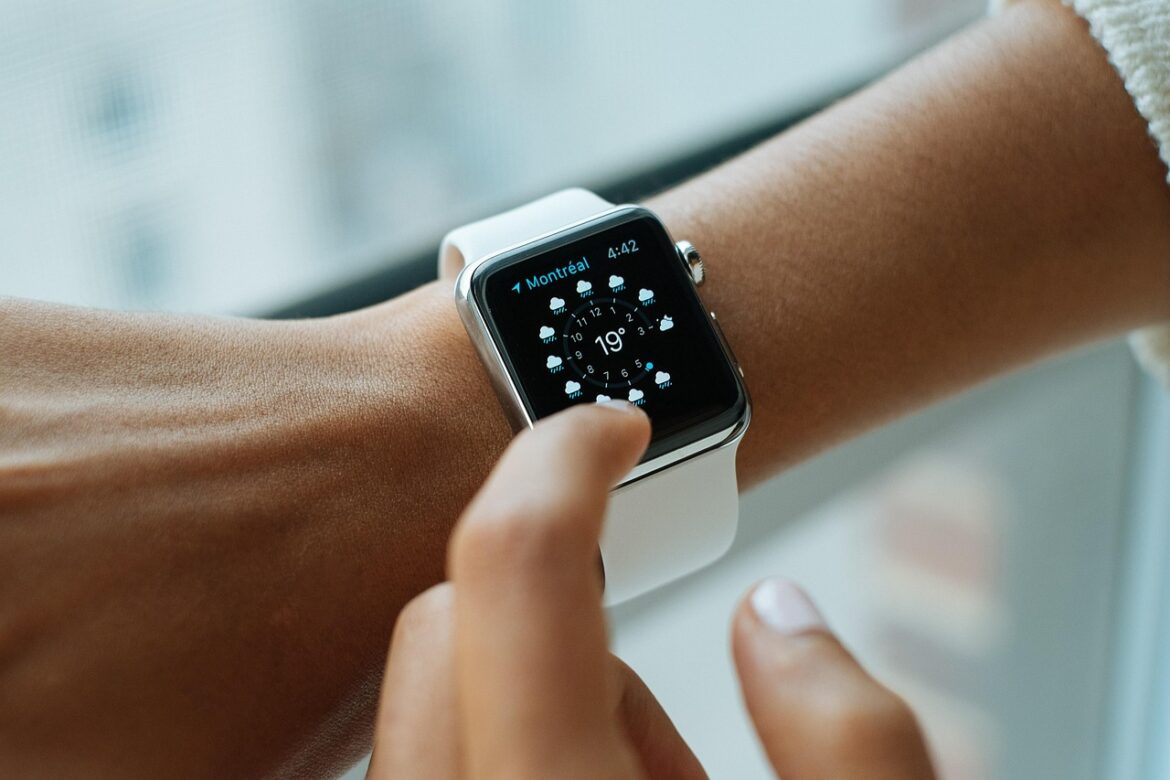
Imagine waking up to a gentle nudge from your smartwatch, not an alarm clock, but a heads-up that your sleep was off last night and you might be at risk for a fall today. That’s not sci-fi—it’s the new normal in 2026 health tech.
These digital transformation tools are popping up everywhere, blending AI and data to make healthcare feel personal and proactive. Let’s dive into five trending products straight from real-world buzz at events like HIMSS 2026 and CES, where experts and providers are raving about their impact.
1. AI-Powered Wearables from Howz and Everon
Picture this: In group homes and retirement communities, residents slip on lightweight wearables that track movement, sleep, and routines 24/7. One recent whitepaper highlighted how these caught early signs of health dips—like shorter sleep or restless nights—flagging risks before falls or hospital trips happen. Care teams at Everon Group jumped on this, cutting manual checks and letting staff focus on real connections. It’s like having an invisible guardian angel whispering, “Hey, check on Mrs. Smith—she’s off her game.”
2. Artera’s Agentic AI for Patient Chats
Over 1,000 hospitals are using Artera’s AI agents to handle patient calls and messages. At HIMSS 2026, their booth was packed with demos showing AI booking appointments and answering queries, saving millions of staff hours. One provider shared how it fixed no-show rates by sending smart reminders that feel human. Adrianna Hosford, their comms chief, puts it simply: “It’s humans and AI teaming up to make patient access seamless.” Best in KLAS winner? No surprise.
3. UpToDate Connect API for Smart Workflows
Doctors are ditching endless searches mid-shift thanks to this tool embedding trusted medical info right into apps. Wolters Kluwer experts at HIMSS say it’s reducing burnout by pulling peer-reviewed advice on-the-fly—like a clinical brain in your EHR. Developers love it for building apps that clinicians actually use.
4. Predictive AI Platforms for Care Homes
Think of these as crystal balls for health teams. Scanning behavior patterns, they predict isolation or illness risks, slashing hospital readmissions. UK care orgs are rolling them out wide, balancing efficiency with top-notch care.
5. Interoperable Trauma Tech from AHA
Hospitals linking EMS reports to EHRs in real-time—picture ambulances handing off patient data seamlessly for faster treatment. AHA’s reports spotlight how this strengthens emergency responses, turning chaos into coordinated care.
These aren’t gadgets gathering dust; they’re changing lives. A rural clinic cut wait times by 30% with AI comms, while urban ERs shave response times with data links. As one HIMSS expert noted, “Digital isn’t replacing care—it’s supercharging it.” Easy to adopt, huge payoffs: fewer emergencies, happier patients, saner staff. Health’s going digital, and it’s about time.
(Word count: 412)
References:
- https://www.healthtechdigital.com/the-future-of-digital-care-the-trends-were-likely-to-see-in-health-technology-in-2026/
- https://www.wolterskluwer.com/en/expert-insights/himss-2026-trusted-clinical-ai-shaping-care-delivery
- https://www.prnewswire.com/news-releases/himss-2026-artera-to-showcase-real-world-applications-of-ai-for-patient-communications-and-access-302706227.html
- https://www.aha.org/type/aha-center-health-innovation-market-scan
- https://www.iqvia.com/library/videos/digital-health-trends-2025