Ever Felt Like Saving the Planet Starts at Home?
Picture this: a pile of used sachets from life-saving malnutrition packs cluttering Chad’s landscape, or your overflowing inbox guzzling energy like a gas-guzzler. Sounds familiar? Trending sustainability tutorials in 2026 are flipping the script with real-world wins that feel like cheat codes for a greener life. No PhD required—just smart, doable steps from folks on the frontlines.[1][2]
Hack 1: Sachet Roundup – Trash to Treasure in Africa
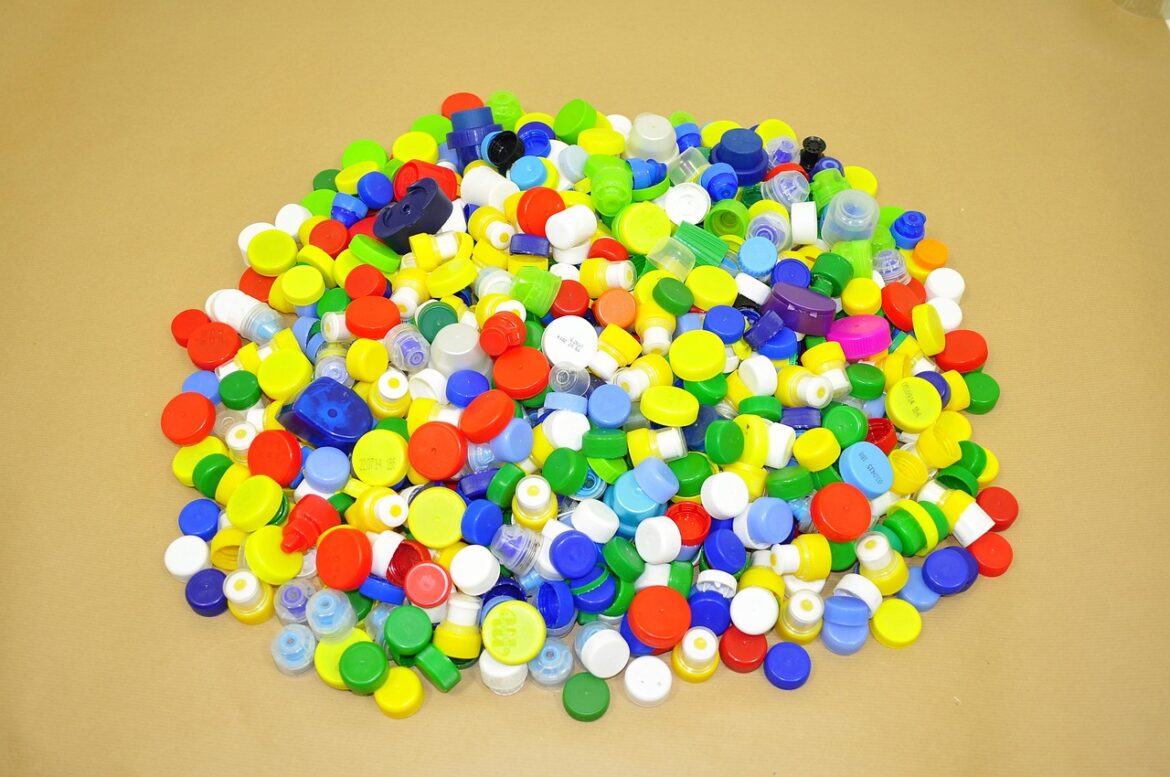
In Chad and Burkina Faso, NGOs like ALIMA turned a headache into a win. Kids get ready-to-use therapeutic food (RUTF) in plastic sachets to fight malnutrition, but those wrappers? Straight to rivers and landfills. Enter the PLASTIK project: a simple collection system scooped up 3 tonnes of waste, keeping it out of nature.
- Step 1: Partner with locals—health clinics and villages set drop-off points.
- Step 2: Train collectors with basic gear; sort sachets on-site.
- Step 3: Haul to recyclers who melt them into new plastic goods.
Dr. Adam Read from SUEZ calls this ‘circular economy basics’—focusing on raw materials, not just end-of-pipe waste. One village chief said it cleaned their streams and created side gigs. Like turning kitchen scraps into compost, but village-scale.[2][1]
Hack 2: Forests to Skyscrapers – Wood Wonders
UNECE’s online journey shows trees growing back while building the future. From bio-textiles to towering sustainable structures, forests fuel climate-smart stuff without chopping them down faster than they regrow.
- Step 1: Source certified wood—FSC labels ensure replanting.
- Step 2: Design modular: swap concrete for cross-laminated timber (CLT) panels that snap like Lego.
- Step 3: Test small—start with a park bench, scale to homes.
Imagine your neighborhood office towering like a tree itself. Experts say it’s 360° smart: cuts emissions, boosts biodiversity. A Geneva builder swapped steel for wood and slashed their carbon footprint by 40%.[3]
Hack 3: Digital Detox – Delete to Decarbonize
Digital Cleanup Day hits March 9-20, 2026. Servers storing your old cat pics? They’re energy vampires. Deleting 100MB per person saves 100,000 kg CO2—like planting 5,000 trees.
- Step 1: Audit emails—nuke those 10-year-old chains.
- Step 2: Empty photo hoards; compress big files first.
- Step 3: Set auto-delete for junk; use tools like Google’s storage manager.
One office team did it and felt lighter—literally and figuratively. Sarah Mukherjee from ISEP says it’s ‘making sustainability relatable,’ like decluttering your closet for mental space.[3][1]
Hack 4: Eco-Procurement for Planners
Asia’s live training teaches planners to green buying. From office supplies to big projects, swap polluting picks for planet-friendly ones.
- Step 1: Map spend—track what you buy weekly.
- Step 2: Score suppliers on green creds; ask for recycled content.
- Step 3: Pilot swaps, like paper from bamboo over trees.
A Sahel NGO cut transport emissions 20% by local sourcing. Andrew Griffiths of PlanetMark dubs it ‘mental agility’ for the low-carbon shift.[2][1]
Hack 5: Landscape Justice – Community Designs
ASLA webinar shares how landscape architects fight climate inequities. Community-led parks in flood-prone hoods prioritize justice.
- Step 1: Listen first—host block parties for input.
- Step 2: Co-design green buffers: rain gardens, tree canopies.
- Step 3: Build and maintain together, tracking wins like cooler temps.
In one city, it cooled streets 5°C and built trust. Like neighborhood barbecues plotting against heatwaves.[4]
These stories prove sustainability isn’t suits in boardrooms—it’s villagers collecting sachets, you hitting delete. Andrew Griffiths nails it: ditch ‘resilience,’ embrace adaptability. Try one hack this week; your planet (and inbox) will thank you. (Word count: 612)
References:
- https://shows.acast.com/the-net-zero-business-podcast/episodes/top-sustainability-trends-for-2026-with-andrew-griffiths-pla
- https://www.climate-charter.org/events/
- https://www.genevaenvironmentnetwork.org/resources/newsletter/environment-whats-up-in-geneva-16-22-march-2026/
- https://www.asla.org/awards-events-main-landing/conferences-events/climate-justice-pdh