The car is quietly being reinvented — not just what we drive, but how companies design, test and make money from it.
Below are five engineering trends showing up in real products and factory floors, not just lab slides.
1. Electric, but more pragmatic
Automakers are moving from “all-EV hype” to a mix of EVs and smarter hybrids to match real charging and cost realities, especially in China and Europe.
- Companies are rolling out range-extended EVs and hybrids so drivers get electric commuting without range anxiety.
- Engineers are reusing platforms and components to keep costs under control instead of starting from scratch each time.
Think of it as moving from a moonshot to a balanced investment portfolio.
2. Software-defined cars
The hottest part of the car is no longer the engine — it is the code.
- Carmakers are treating vehicles like smartphones on wheels: features arrive via software updates long after you buy the car.
- Toolmakers like Synopsys are helping brands design and test electronics virtually, cutting development time and expensive physical prototypes.
For businesses, that means recurring revenue from apps, services and subscriptions, not just the one-time sale.
3. AI in the driver seat… but not as a driver
AI is showing up as a co-worker, not a robot chauffeur.
- In the cabin, generative AI assistants help with navigation, settings and even trip planning in natural language.
- Behind the scenes, AI models train on simulated bad weather, traffic jams and near-crash situations long before a real car sees them.
This lets engineers “rehearse” rare, dangerous events safely on a screen instead of on public roads.
4. Human-machine interfaces get a makeover
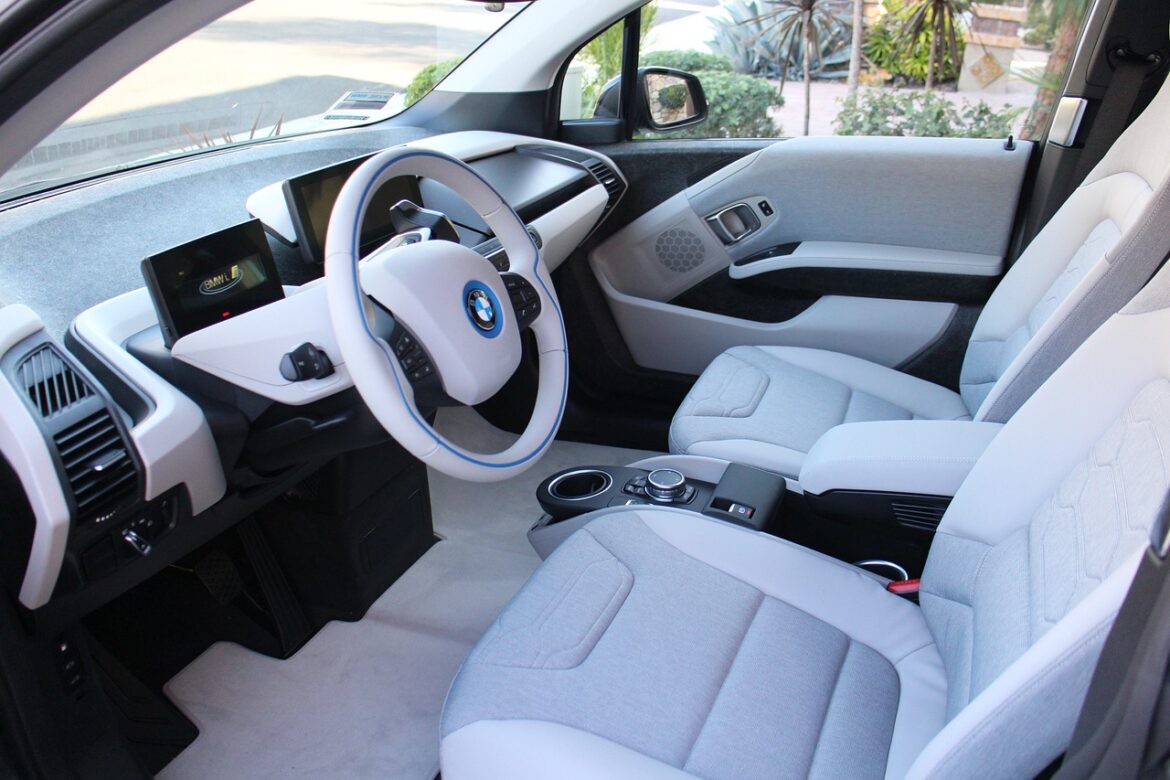
Dashboards are turning into digital cockpits.
- Unified curved screens, head-up displays and cleaner layouts are replacing button-heavy interiors.
- The test for engineers now: can a new user figure it out in 10 seconds, without a manual?
Good HMI design is becoming as strategic as horsepower once was, shaping brand identity and safety scores alike.
5. Lighter, smarter materials
Under the paint, materials engineering is doing the quiet heavy lifting.
- Ultra‑high‑strength steels and new alloys make bodies lighter and safer at the same time.
- Advanced molding techniques for magnesium and composites let suppliers cut parts count and save weight — critical for EV range and emissions targets.
For factories, this means retooling, retraining and new supplier partnerships, not just swapping one metal for another.
For leaders and employees, these shifts are not abstract. They affect hiring profiles, supplier choices, software roadmaps and even how revenue is booked. The companies that treat the car as an evolving platform — not a finished product — are the ones quietly pulling ahead.
References:
- https://www.epicflow.com/blog/5-latest-trends-in-the-automotive-industry/
- https://interestingengineering.com/ces-2026/top-10-ev-tech-trends
- https://www.spglobal.com/automotive-insights/en/blogs/2026/01/automotive-market-trends-2026
- https://news.synopsys.com/2026-01-06-Synopsys-Showcases-Vision-For-AI-Driven,-Software-Defined-Automotive-Engineering-at-CES-2026
- https://www.motortrend.com/news/2026-motortrend-best-tech
- https://www.bacancytechnology.com/blog/automotive-industry-trends
- https://www.wardsauto.com/news/top-auto-industry-trends-for-2026-hybrids-software-tariffs/809053/