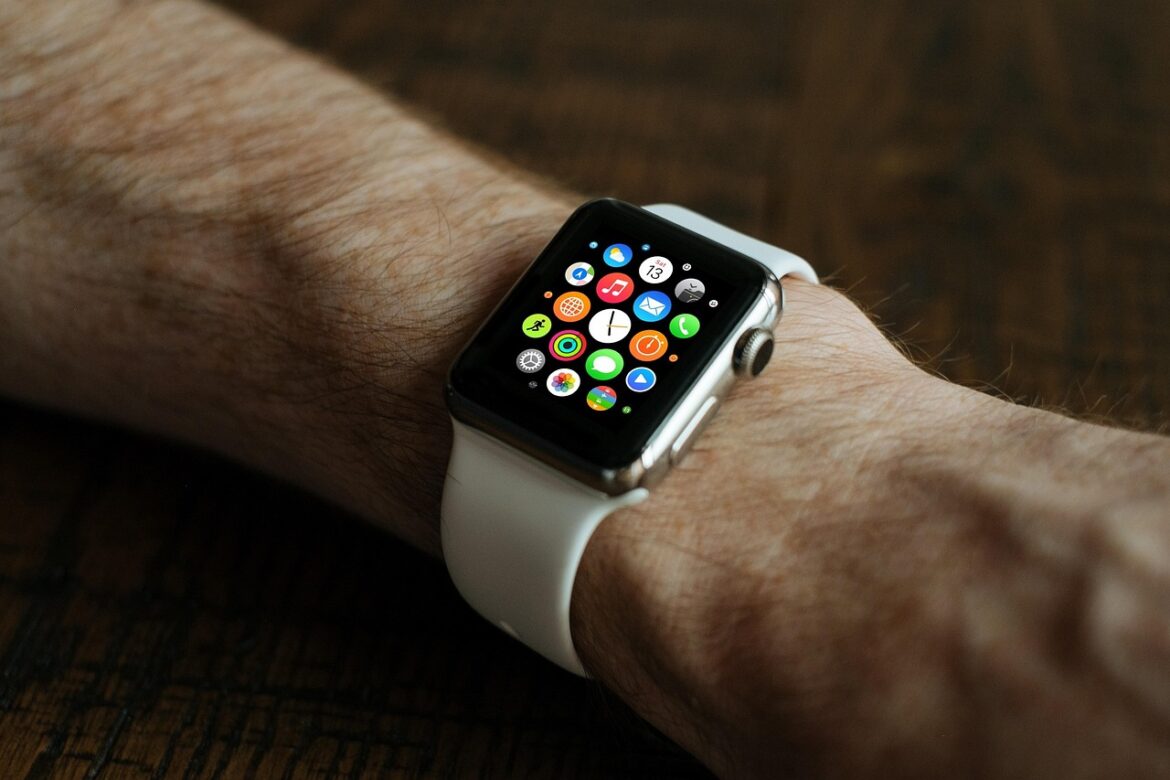
Imagine your smartwatch not just tracking your steps, but actually warning you about a heart problem before you feel a thing. That’s not science fiction—it’s happening right now, thanks to artificial intelligence. In 2025, AI health products are no longer just for hospitals or tech geeks. They’re showing up in homes, clinics, and even on our wrists, making healthcare more personal and proactive than ever.
1. AI-Powered Smart Scales Take smart scales, for example. These aren’t your average bathroom scales. They use AI to analyze body composition—think muscle, fat, water levels—and even track trends over time. People are snapping them up, not just for fitness, but for managing chronic conditions. One user, a busy mom in Texas, told us she started using one after her doctor flagged a risk for diabetes. Now, she gets daily insights and feels more in control of her health.
2. AI Diagnostic Apps Apps like KardiaMobile and Omada Health are turning smartphones into mini-clinics. KardiaMobile uses AI to detect irregular heart rhythms, like atrial fibrillation, and alerts users to seek help. Omada Health goes further, using AI to create custom plans for managing diabetes, high blood pressure, and obesity. Users say it’s like having a personal coach who learns their habits and nudges them toward better choices.
3. Generative AI Assistants for Clinicians Doctors are also getting help from AI. Tools like Feather use generative AI to automate clinical notes, summarize patient data, and draft letters. One family physician in Oregon said it cut her paperwork time in half, letting her spend more time with patients. These assistants don’t replace doctors—they just help them focus on what matters most.
4. AI Drug Discovery Platforms Behind the scenes, AI is speeding up drug development. Companies like BenevolentAI use AI to find promising drug targets and design new treatments. This means faster breakthroughs for diseases like cancer and kidney disease. Patients benefit from more targeted therapies and fewer side effects.
5. AI Wearables for Chronic Disease Wearables are getting smarter too. Devices that monitor blood sugar, heart rate, and even breathing patterns now use AI to spot early warning signs. For people with diabetes or heart conditions, this means catching problems before they become emergencies.
AI health products are no longer just futuristic ideas—they’re real tools helping real people every day. Whether it’s a smart scale, a diagnostic app, or a digital assistant for doctors, AI is making healthcare more accessible, personalized, and efficient.
References:
- https://www.accio.com/business/latest-health-ai-analyzer-trends
- https://askfeather.com/resources/generative-ai-in-healthcare-market-forecast
- https://www.coherentsolutions.com/insights/artificial-intelligence-in-pharmaceuticals-and-biotechnology-current-trends-and-innovations
- https://litslink.com/blog/ai-medical-diagnosis-apps-tools
- https://www.pew.org/en/trend/archive/fall-2025/the-new-frontiers-of-medical-innovation-are-already-here
- https://www.medicaleconomics.com/view/how-physicians-are-really-using-ai-in-2025
- https://www.uvm.edu/larnermed/vm/news/ai-medicine-new-paradigm
- https://www.bakerdonelson.com/responsible-ai-in-health-care-what-providers-and-ai-vendors-must-do-now