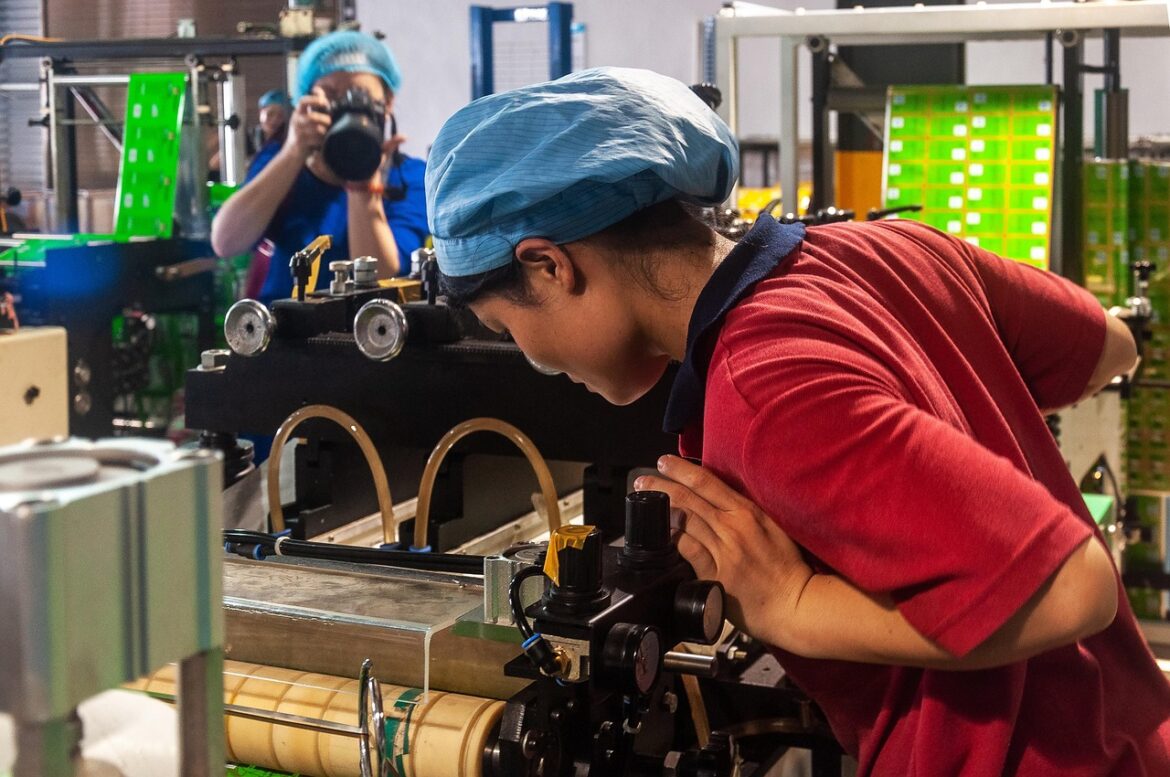
Imagine you’re running a bustling factory floor, machines humming, workers in sync, when suddenly a new rule drops like a surprise audit—bam, everything grinds to a halt if you’re not ready. That’s the vibe in manufacturing right now as 2026 rolls in with a wave of regulatory changes. From food safety crackdowns to trade tariffs and workplace safety overhauls, companies are scrambling to keep up. Let’s break down five trending stories that could make or break your operations this year.
1. OSHA’s New Boss Shakes Up Factory Safety
Picture this: the top safety cop at OSHA, under fresh leadership, is ditching blanket inspections for laser-focused hits on high-risk spots. In printing plants and beyond, that means self-managing hazards like chemical spills or machine jams before they trigger a visit. ‘We’re prioritizing industries with sky-high injury rates,’ says the new approach, pushing collaboration over confrontation. For printers, it’s all about auditing machine guarding, lockout procedures, and forklift ops now—top violations that could land you in hot water. Action item: Run a quick safety gap check and train your team on heat illness and violence prevention. No more flying blind.
2. FDA Cranks Up Heat on Food Ingredients
Food makers, listen up—if you’re blending additives into snacks or supplements, the FDA’s 2026 agenda is coming for your recipes. They’re rolling out rules forcing notices for new ‘GRAS’ ingredients (those generally recognized as safe) and diving deep into post-market reviews of suspects like phthalates and BHA. Think of it as a food police spring cleaning: imported grub gets extra scrutiny with smarter data tools, and dietary supplements need pre-market nods. One expert notes, ‘This modernizes oversight without smothering innovation.’ Pro tip: Streamline your notifications and beef up stability testing to dodge delays.
3. Canada’s NHP GMP Overhaul Hits Supplements Hard
Across the border, Canadian natural health product factories are facing a GMP glow-up. Starting March 2026, expect tougher stability tests, supplier audits, and importer checklists. No more winging expiry dates—back it with real data or risk recalls. ‘High-risk areas like unvetted overseas suppliers are first on the chop block,’ warns compliance pros. Whether you’re shipping herbs or vitamins, update your SOPs, mock-audit your sites, and lock in quality agreements with partners. It’s like prepping for a picky house guest who inspects every drawer.
4. Aerospace and MedTech Buckle Under Regulation Avalanche
Highly regulated worlds like aerospace and medical devices are drowning in rules. A whopping 32% of firms can’t keep up with audits and research, per industry reports. Aerospace battles ITAR, environmental specs, and digital engineering mandates, while MedTech juggles FDA, ISO, and EU MDR. The fix? Connected PLM and QMS systems for total visibility—like a digital nervous system catching defects early. ‘Closed-loop tracking turns compliance from a headache to a superpower,’ says a top CEO. Real story: Firms linking quality and product lifecycle tools slashed risks on CAPAs and supplier snafus.
5. Auto Tariffs and Trade Wars Rev Up Border Drama
Canada’s dropping a 25% tariff bomb on non-compliant U.S. vehicle imports, tweaking remission frameworks to reward local production. It’s CUSMA-compliant but punches hard on foreign content. Importers, this elevates compliance to boardroom talk—think customs audits as a potential nightmare. Pair it with U.S. trade enforcement ramping up, and suddenly, every shipment’s a high-stakes poker game. Manufacturers: Map your supply chains, verify origins, and align with the new duty rules to keep costs from spiking.
These stories aren’t just headlines; they’re playbook changers. Like a chess match against regulators, the winners anticipate moves with audits, tech upgrades, and team huddles. Oracle’s even rolling out cloud tools for recipe tracking in process plants, proving tech’s your ally. Bottom line: 2026 demands proactive plays—gap assessments today mean smooth sails tomorrow. Stay nimble, and turn these pressures into your competitive edge.
References:
- https://www.arenasolutions.com/blog/2026-product-development-trends-what-todays-manufacturers-need-to-know/
- https://www.piworld.com/article/keeping-osha-compliant-what-to-know-for-2026/
- https://www.fda.gov/about-fda/human-foods-program/human-foods-program-2026-priority-deliverables
- https://fiduciaglobus.com/2026/02/06/nnhpd-gmp-requirements-for-natural-health-products/
- https://www.biospace.com/fda/opinion-2025-reshaped-the-fda-what-will-2026-hold
- https://www.canada.ca/en/innovation-science-economic-development/news/2026/02/prime-minister-carney-unveils-canadas-new-automotive-strategy-to-protect-jobs-and-position-our-country-as-a-global-leader-in-next-generation-vehicl.html
- https://www.oracle.com/news/announcement/oracle-helps-organizations-enhance-process-manufacturing-2026-02-10/
- https://ofwlaw.com/2026-trade-enforcement-why-import-compliance-is-now-a-board-level-risk/