This year, the world is seeing both hopeful breakthroughs and urgent warnings in the fight for environmental sustainability. From record-breaking emissions to bold new climate initiatives, 2025 is shaping up to be a year of contrasts—and a wake-up call for action.
Record Emissions, But Progress in Renewables
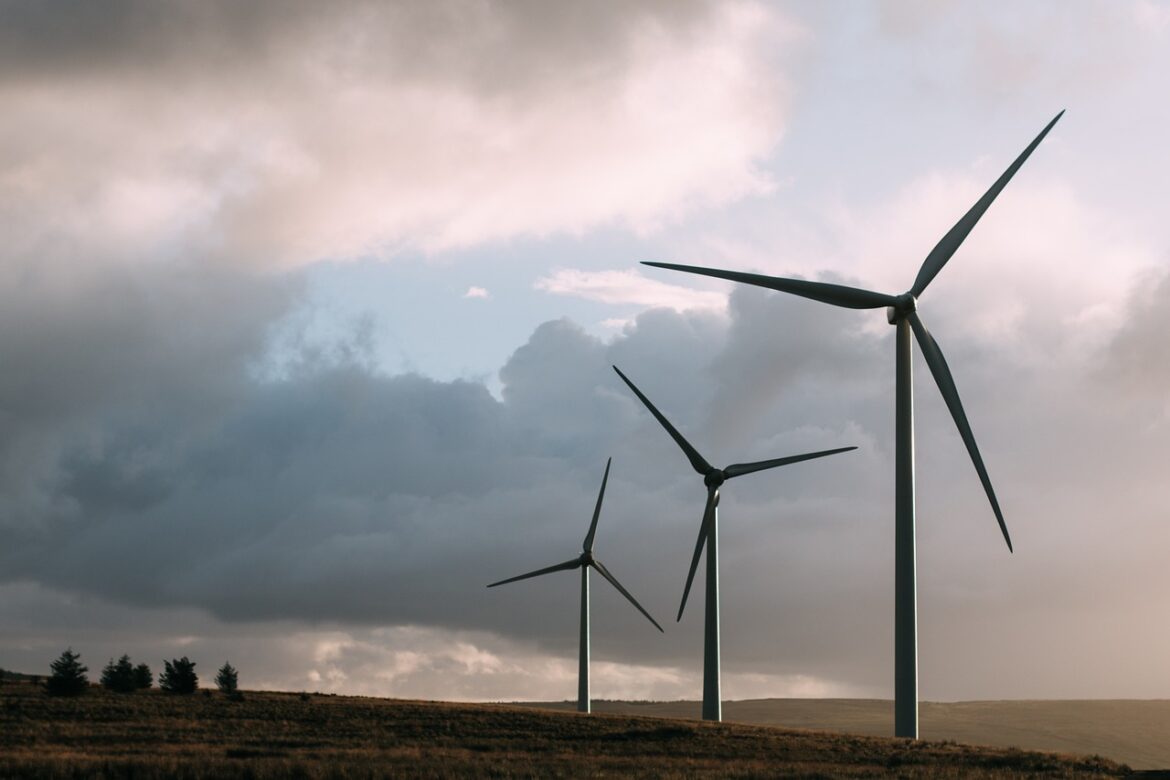
Despite growing awareness, global carbon emissions from fossil fuels are expected to hit a new high in 2025. Scientists warn that at this rate, the planet’s carbon budget for limiting warming to 1.5°C will be used up before 2030. Yet, there’s a silver lining: renewable energy is booming. Over the past decade, solar and wind capacity has more than doubled, and new projects are now cheaper than fossil fuel alternatives in most places. In 2024 alone, electric vehicles made up 22% of all new car sales worldwide. Companies like Google and Ecosia are leading the charge, pledging to run entirely on carbon-free energy by 2030.
Plant-Based Diets Take Center Stage
At the UN’s pre-COP30 climate conference, over 100 organizations—including cities, food brands, and advocacy groups—signed the Belém Declaration on Plant-Rich Diets. The initiative calls for a global shift toward plant-based eating, highlighting its benefits for the climate, health, and food security. Oatly, the popular oat milk brand, has also stepped up, becoming the first food company recognized as a Climate Solutions Company for its efforts to reduce emissions and promote sustainable diets. The message is clear: what’s on our plates matters for the planet.
Water and Waste: New Rules, New Challenges
In the U.S., the EPA and Army Corps of Engineers have proposed a new rule to clarify protections for “Waters of the United States” (WOTUS). The move aims to bring more clarity and consistency to water regulation, a win for both industry and environmental groups. Meanwhile, companies like Unilever are cutting back on virgin plastic use, and the push for sustainable packaging is gaining momentum. From smart cities to net-zero buildings, businesses are rethinking how they use resources and manage waste.
What’s Next?
Experts agree: the solutions exist, but speed and scale are critical. Renewable energy, plant-based diets, and smarter water management are all part of the answer. The challenge now is to act fast enough to make a real difference before it’s too late.
References:
- https://www.winssolutions.org/24-sustainability-trends-2026/
- https://news.exeter.ac.uk/faculty-of-environment-science-and-economy/fossil-fuel-co2-emissions-hit-record-high-in-2025/
- https://vegconomist.com/category/sustainability-environment/
- https://abcnews.go.com/US/live-updates/climate-environment-updates/?id=126308318
- https://www.france24.com/en/environment/20251113-global-fossil-fuel-emissions-hit-record-high-2025
- https://www.americanchemistry.com/chemistry-in-america/news-trends/press-release/2025/acc-statement-on-epa-s-proposed-wotus-rule
- https://www.un.org/en/climatechange/reports